

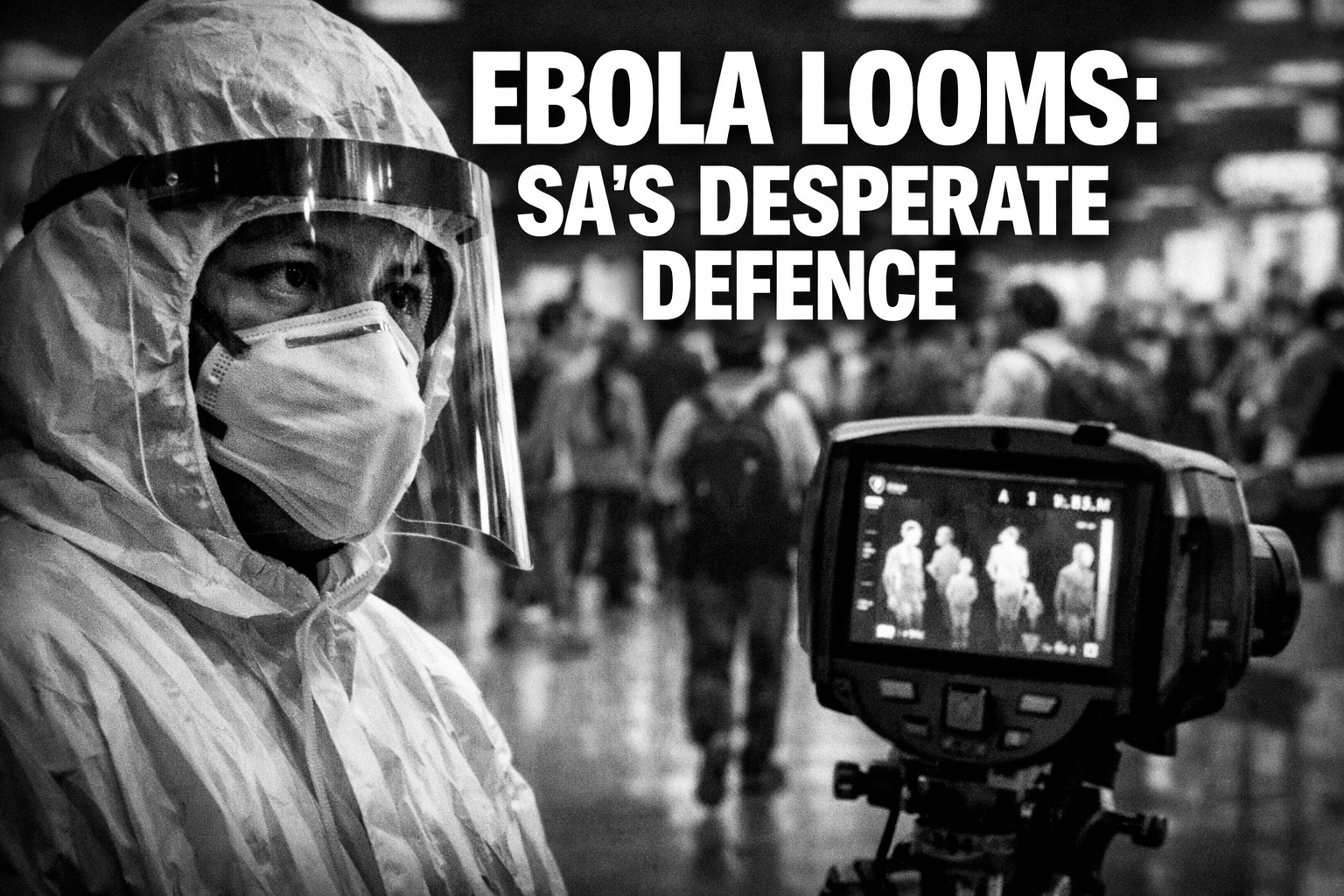
Pretoria, South Africa – A chilling specter looms over South Africa as the nation braces for what top infectious disease expert Professor Salim Abdool Karim warns is “only a matter of time”: the arrival of Ebola. With a devastating outbreak of the Bundibugyo virus raging in the Democratic Republic of Congo (DRC), infecting over 1,600 people and claiming more than 500 lives, South Africa’s health department is in a frantic race against time, implementing a comprehensive, multi-layered defence strategy. From identifying dedicated hospitals to equipping border authorities with vital personal protective equipment (PPE), the country is mobilising its resources to prevent a potential catastrophe. This high-stakes battle against an invisible enemy highlights the fragility of global health security and the immense pressure on frontline workers to safeguard the nation.
The current Ebola outbreak in the DRC is one of the largest recorded to date, a grim reality that has sent alarm bells ringing across the continent. The health department’s concern is palpable, focusing on the implications for South African citizens who may be working, studying, living in, or returning from the affected areas. The highly contagious nature of the virus, coupled with its severe mortality rate, necessitates an immediate and robust response. Health Minister Aaron Motsoaledi has been vocal about the steps being taken, outlining the nation’s preparedness measures in recent television interviews, aiming to reassure a public increasingly anxious about the threat.
At the heart of South Africa’s defence strategy is a meticulously planned healthcare infrastructure. A total of 36 hospitals have been earmarked to receive potential Ebola patients: 24 from the public sector and 12 from the private sector. According to health department spokesperson Foster Mohale, all identified public hospitals are now fully prepared to receive patients, a critical step in ensuring rapid isolation and treatment should a case be detected. This proactive approach is designed to prevent the overwhelming of healthcare facilities and to contain any potential spread of the virus before it can take hold within communities.
Beyond hospital readiness, the nation’s borders have been placed on high alert. The Border Management Authority (BMA) is at the forefront of this defence, equipped with essential PPE to manage arrivals from affected regions. Mohale emphasised that South Africa’s preparedness measures are not focused on routine quarantine for all returnees but rather on early detection, meticulous risk assessment, safe referral protocols, laboratory confirmation, and aggressive contact tracing. Priority points of entry, such as OR Tambo International Airport, are central to this strategy, where port health officials, the BMA, the national department of health, the National Institute for Communicable Diseases (NICD), the National Health Laboratory Services, and emergency medical services are collaborating in a coordinated, risk-based approach to identify and safely manage any suspected imported case.
To further bolster its response capabilities, the health department has established three dedicated pandemic preparedness committees. These include a hospital readiness committee, an incident management team specifically designed to handle actual cases, and a public health emergency preparedness committee. This multi-committee structure aims to ensure a comprehensive and agile response, covering all facets of outbreak management from clinical care to public health interventions. The department, in conjunction with the BMA, has also enhanced its readiness by ensuring adequate supplies of PPE and enforcing strict adherence to infection prevention and control measures. Continuous monitoring of situational updates and developments from the World Health Organisation (WHO) and national health authorities remains a top priority, allowing for real-time adjustments to the national strategy.
Professor Salim Abdool Karim, a globally recognised infectious disease expert and chair of an advisory panel for the Africa Centres for Disease Control and Prevention, recently highlighted the remarkable efforts being made to contain the virus. He noted that despite daily flights from the DRC, South Africa has yet to record an Ebola case, a testament to the diligent work being done. However, his warning that it is “only a matter of time” if the disease is not contained serves as a stark reminder that vigilance cannot waver. The NICD has echoed this sentiment, urging healthcare workers across the country to maintain a high index of suspicion for individuals presenting with febrile illness, especially those with a recent travel history to affected areas in the DRC and Uganda.
The potential economic and social ramifications of an Ebola outbreak in South Africa are immense. Beyond the immediate health crisis, a widespread epidemic could cripple the economy, strain public services, and sow widespread panic. The memories of past health crises, though different in nature, serve as a powerful motivator for the current aggressive preparedness. The government’s proactive stance, while commendable, also places a significant burden on its resources and personnel, demanding unwavering commitment and coordination across multiple agencies.
As the world watches the unfolding crisis in the DRC, South Africa stands as a critical bulwark against the further spread of this deadly virus. The nation’s comprehensive preparedness plan, from border screening to hospital readiness, reflects a deep understanding of the threat and a determined effort to protect its citizens. However, the fight against Ebola is a global one, requiring international cooperation and sustained vigilance. For now, South Africa remains on high alert, a nation united in its resolve to keep the looming shadow of Ebola at bay, understanding that the cost of complacency is simply too high to bear.