

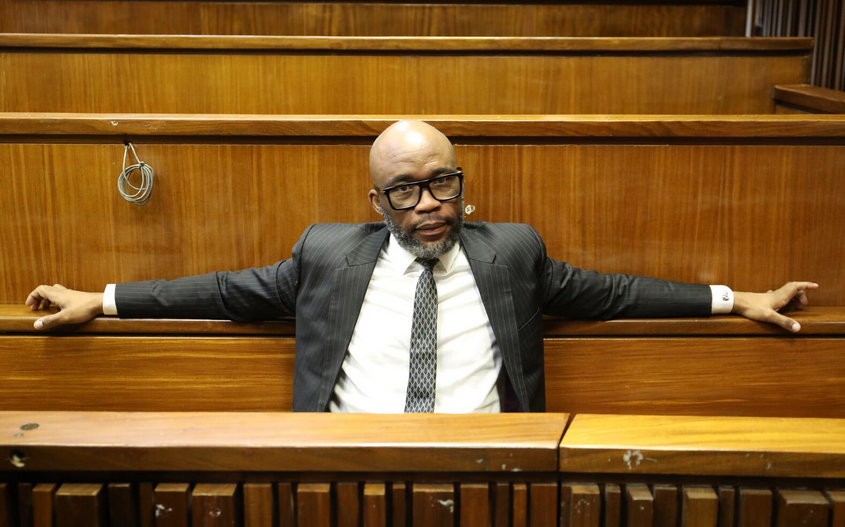
Pretoria, South Africa – In a development poised to send seismic tremors through South Africa’s political and policing establishments, Vusimuzi “Cat” Matlala, a figure central to a sprawling corruption and attempted murder case, is reportedly engaged in high-stakes negotiations for a plea deal. The bombshell revelation suggests Matlala is prepared to offer damning evidence implicating senior police officials and potentially high-ranking politicians in a colossal R228 million tender scandal, in exchange for leniency in his own corruption trial.
According to Sunday Times Matlala’s legal team has made direct contact with the Investigative Directorate Against Corruption (Idac), presenting an offer of crucial information. This proposed quid pro quo aims to unravel a complex web of alleged illicit dealings that has already ensnared some of the nation’s most prominent law enforcement figures, including national police commissioner Fannie Masemola.
Masemola himself faces four charges under the Public Finance Management Act, while Matlala and his co-accused are battling charges of corruption, fraud, and money laundering. The sheer scale of the alleged corruption, coupled with the calibre of individuals potentially involved, elevates this case to one of national significance, threatening to expose deep-seated malfeasance within the state apparatus.
This week, the state prosecutor confirmed that new information had surfaced, necessitating a postponement of proceedings. The prosecutor explicitly stated that consultations with Matlala had taken place, hinting at the gravity of the ongoing discussions. Henry Mamothame, spokesperson for Idac, further corroborated these developments, confirming that Matlala’s request to be held at Kgosi Mampuru Correctional Facility – a move crucial for facilitating the “second phase of consultations” – had been granted. This logistical arrangement underscores the sensitive nature of the negotiations and the need for Matlala to be in a secure, accessible location for continued engagement with investigators.
Initial attempts by Idac to secure a statement from Matlala were reportedly hampered by bureaucratic hurdles within the Department of Correctional Services (DCS). Delays in transferring Matlala from the maximum-security Ebongweni Super Max prison in Kokstad, KwaZulu-Natal, to Kgosi Mampuru C-Max in Pretoria, nearly 700km away, frustrated early efforts. However, a source within the criminal justice cluster has now confirmed that Matlala is indeed willing to cooperate and make a deal, suggesting a significant shift in his defence strategy.
“This is a very serious issue that is [causing] divisions because others are of the view that there should be no deal,” the source revealed, highlighting internal disagreements within the prosecuting authority regarding the wisdom of striking a deal with a key accused. “Matlala might be offering Idac some of the big fish involved in that corruption case. The fight with correctional services was just the tip of the iceberg, as Idac wants him to give up certain people.” This tantalising prospect of implicating higher-ups adds immense pressure to the ongoing negotiations.
Another insider with intimate knowledge of the discussions confirmed that Matlala’s legal team had indeed approached Idac. However, this source cautioned that while a plea agreement is on the table, granting Matlala full immunity is “out of the question.” The reason for this firm stance is chillingly linked to the unresolved disappearance of businessman Jerry Boshoga, who was kidnapped in Centurion in 2024 and has never been found. The implication is clear: Matlala’s potential involvement in Boshoga’s disappearance complicates any offer of complete immunity, suggesting a deeper, more sinister layer to his alleged criminal activities.
Documents reviewed by the Sunday Times suggest a calculated game of jurisdictional chess being played by authorities. On March 25, a warrant for Matlala’s detention at Kgosi Mampuru was issued, with his next court appearance scheduled for April 7. Yet, just three days later, on March 28, he was inexplicably transported to Ebongweni, nearly 700km away, without the knowledge or consent of the prosecution. Adv Andrea Johnson, head of Idac, did not mince her words in a memorandum sent to the national commissioner of correctional services on March 31. She sharply criticised the DCS’s actions, noting that Matlala’s transfer occurred before critical consultations with Idac investigators and his own legal representatives could be finalised. Johnson issued a stark warning: “Should DCS officials violate the order of court again, as they did this past week, then we will have to engage [you] and those officials, as this [conduct] constitutes an attempt to defeat and/or obstruct the ends of justice.” This strongly worded rebuke suggests a deliberate attempt to impede the investigation, raising further questions about who might benefit from Matlala’s silence.
While the Sunday Times was unable to definitively establish which politicians Matlala might implicate, his past testimony before parliament’s portfolio committee investigating allegations of police and political corruption offers a disturbing glimpse into the potential scope of his revelations. Matlala previously claimed to have personally handed former police minister Bheki Cele R500,000 in cash on two separate occasions. Furthermore, he testified that now-suspended police minister Senzo Mchunu and political fixer Brown Mogotsi, who was recently arrested, allegedly used him for internal ANC campaign funding. Matlala claimed to have paid R500,000 via Mogotsi to cover flights and accommodation for ministerial delegates attending the ANC’s January celebrations in Cape Town in 2024. These past allegations, if substantiated by his current cooperation, could unravel a significant network of corruption extending into the highest echelons of power.
The unfolding drama surrounding Matlala’s potential plea deal highlights the persistent challenges South Africa faces in its fight against corruption. The prospect of a key accused turning state witness against powerful figures underscores the deep-seated nature of the problem and the courage required to confront it. The coming weeks are expected to be critical as negotiations continue, with the nation watching closely to see if Matlala’s revelations will finally bring accountability to those allegedly involved in the R228 million tender scandal and beyond.