

Wynberg, Western Cape – In a heart-wrenching case that has gripped the nation, Noxolo Pearl Ngqono has been sentenced to an effective 25 years imprisonment for the brutal murder of her five-year-old son, Novelo. The Western Cape High Court, sitting in the Wynberg Regional Court, delivered its judgment, with Acting Judge Amanda van Leeve condemning the heinous act and sending a clear message about the protection of vulnerable children.
“Your kids will grow up knowing that their mother killed their older brother, it is a stigma forced by you. They are safe now, they are with their father,” Judge van Leeve declared as she handed down the sentence. Beyond the lengthy prison term, Ngqono was also declared unfit to work with children and prohibited from possessing a firearm, underscoring the court’s grave concerns about her actions.
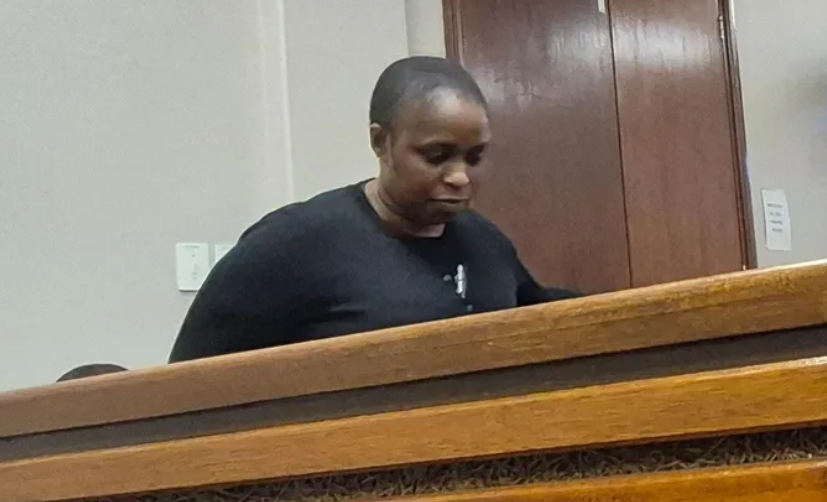
Throughout the emotional sentencing proceedings, Ngqono stood with her hands in her pockets, betraying little emotion as the gravity of her crime and its consequences were laid bare. Judge van Leeve highlighted Ngqono’s conspicuous silence during the trial, noting her failure to testify or offer a full explanation of the events that led to Novelo’s tragic death. “The court found it interesting that the accused did not testify and take the court into confidence,” Van Leeve remarked. “In fact, you said absolutely nothing.”
The judge posed a poignant question that resonated throughout the courtroom: “The question is how does a five-year-old defend himself?” This rhetorical query underscored the extreme vulnerability of the victim and the unconscionable nature of the violence inflicted upon him. Van Leeve stressed the societal expectation for courts to protect such vulnerable victims, particularly in violent crimes involving children. “Society expects and almost demands that courts must protect their interests, especially in violent cases,” she stated, adding with profound gravity, “Murder is an extremely serious offence, the murder of a child at the hands of the mother is outrageous.”
Prosecutors, in their closing arguments during sentencing, painted a grim picture of Novelo’s final moments, asserting that he endured a painful and traumatic death. Judge van Leeve concurred, citing the extensive injuries detailed in the post-mortem report as clear evidence of the brutality of the assault. “The State argued that he had his whole life ahead of him and you cut it short,” Van Leeve said, concluding that “It is clear that the manner of his death is horrid.” A particularly distressing aspect of the proceedings, as noted by the judge, was the lack of direct testimony about Novelo himself. “No one spoke for Novelo,” she lamented, revealing that “Only his teachers and his stepfather’s sister spoke about him,” a stark reminder of the young victim’s voicelessness in the face of such a horrific crime.
During the sentencing phase, Ngqono’s husband offered emotional testimony, pleading with the court “not to throw away the keys” despite acknowledging that his wife deserved punishment. However, Judge van Leeve pointed out that even his evidence offered little insight into the murdered child or the profound impact of his death on the family. The defence’s attempts to attribute Ngqono’s actions to underlying mental health struggles, potentially linked to pregnancy or postpartum conditions, were also rejected by the court. “There was no evidence before this court to suggest that the accused suffered from a diagnosed mental condition,” Van Leeve stated, referencing the defence social worker’s concession that she was not qualified to diagnose psychiatric illnesses.
Consequently, the court found no “substantial and compelling circumstances to deviate from the prescribed minimum sentence.” Judge van Leeve meticulously weighed Ngqono’s personal circumstances, the extreme seriousness of the offences, and the broader interests of society before arriving at her decision. “Taking into consideration the personal circumstances, seriousness of the offence and the community, the court sentences the accused on count one to 10 years imprisonment and on count two to 15 years imprisonment,” she announced. The sentences, totalling 25 years, will run concurrently.
Following the pronouncement of the sentence, Ngqono’s defence team indicated their intention to appeal both the conviction and the sentence. This legal manoeuvre suggests a continued battle in the courts, though the initial ruling stands as a powerful condemnation of her actions. Ngqono had been found guilty earlier this year after the court concluded that the State had proven beyond reasonable doubt that she fatally assaulted Novelo with a mop. Evidence presented during the trial revealed a horrifying litany of injuries, including a fractured skull, defensive wounds, spinal injuries, and internal damage to the pancreas and liver, painting a picture of sustained and severe abuse.
Further compounding the tragedy, the court heard that Novelo had previously been removed from Ngqono’s care in 2019 due to signs of abuse, only to be later returned to her. This detail raises critical questions about child protection protocols and the decisions made in returning vulnerable children to potentially dangerous environments. The case serves as a stark and painful reminder of the critical need for vigilance in safeguarding children and ensuring that those entrusted with their care uphold their fundamental duty to protect.