

A Privileged Life, A Violent Turn
In the opulent suburbs of Johannesburg, where the children of Africa's elite often live lives shielded from public scrutiny, a gunshot can shatter the illusion of untouchability. The recent shooting at a lavish Hyde Park mansion, allegedly at the hands of Bellarmine Chatunga Mugabe, the 28-year-old son of the late Zimbabwean dictator Robert Mugabe, has done just that. The victim, a 23-year-old man who worked at the property, now lies in a hospital bed in critical condition, his life hanging in the balance after being shot twice in the back. As the investigation unfolds, a chilling narrative has emerged, one that suggests this was no mere accident or a simple dispute over wages. Instead, it points to a desperate act of violence, a potential attempt to silence an employee who, in the course of his duties, may have become privy to the secrets of a family accustomed to operating above the law.
The Official Story vs. The Unsettling Reality
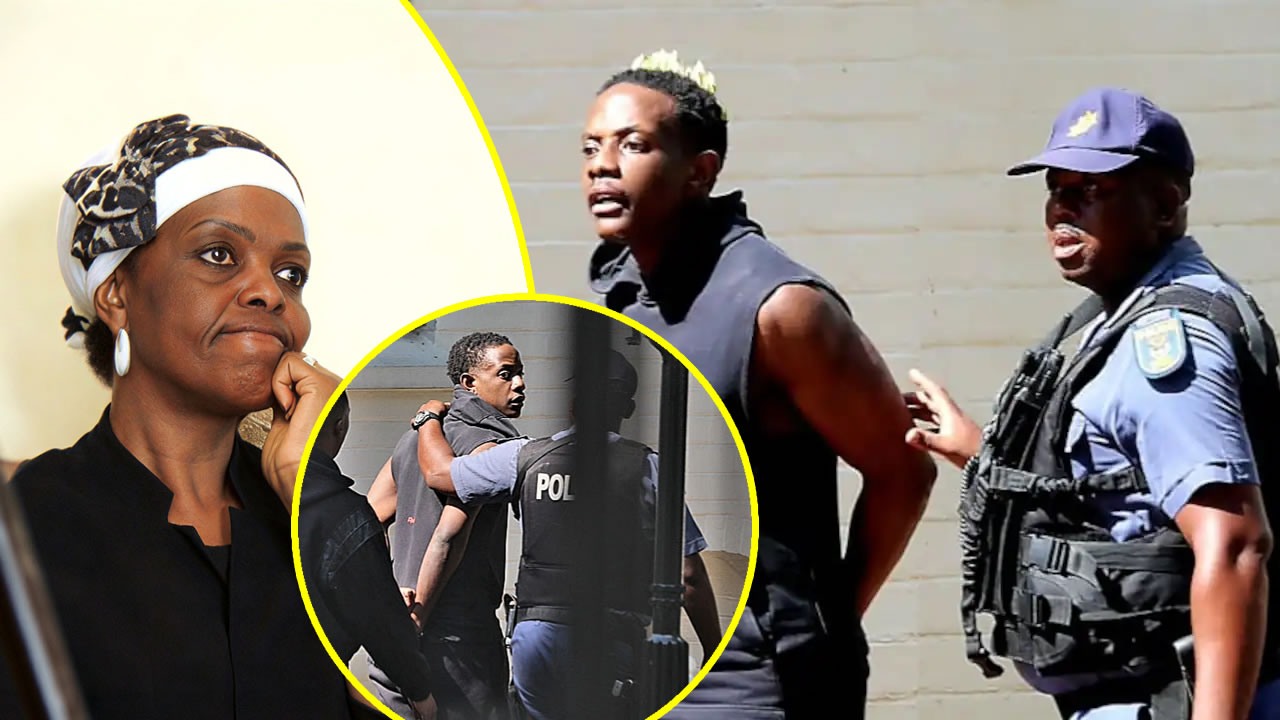
On the evening of Thursday, February 19, 2026, a heated argument reportedly erupted at the Hyde Park residence, culminating in the near-fatal shooting. Chatunga Mugabe and his 33-year-old bodyguard, Tobias Matonhodze Mugabe, were arrested and charged with attempted murder and defeating the ends of justice. The latter charge stems from a crucial piece of missing evidence: the firearm used in the shooting. Despite finding bullet cartridges at the scene, police have been unable to locate the weapon, leading to a sprawling search of the property, including the swimming pool, by divers and K9 units.
When questioned, Chatunga offered a version of events that strains credulity. He claimed the victim was not a gardener but a security guard he had recently fired for performing “traditional rituals” on the property. More astonishingly, he alleged that the man had shot himself—a claim that is difficult to reconcile with the two bullet wounds in the victim’s back. To account for the missing gun, Chatunga told police that the victim’s “accomplices,” who were supposedly waiting outside, must have taken it when he was rushed to the hospital.
This account has been met with considerable skepticism by investigators and the public alike. The more plausible theory, and the one reportedly being pursued by police, is that the gun was deliberately removed from the scene by friends of Chatunga who arrived before the authorities, in a blatant attempt to obstruct the investigation. This act of evidence tampering, if proven, would not only strengthen the charge of defeating the ends of justice but also paint a picture of a coordinated effort to conceal the truth of what transpired that night.
A Pattern of Impunity: The Mugabe Brothers in South Africa
To understand the context of this shooting, one must look at the history of the Mugabe family, particularly the exploits of Chatunga and his older brother, Robert Jr., in South Africa. For years, the brothers have been fixtures in the Johannesburg social scene, their lives a whirlwind of high-end nightclubs, luxury cars, and extravagant spending. Their reputation as “playboys” is well-documented, often accompanied by a trail of controversy and scandal.
In 2017, the brothers were unceremoniously evicted from a luxury apartment building in Sandton following a violent brawl that left a security guard injured and caused an estimated R780,000 in damages. This incident was a precursor to a far more serious international scandal involving their mother, Grace Mugabe. In August of that same year, Grace allegedly assaulted a young model, Gabriella Engels, with an extension cord after finding her in a hotel room with her sons. The incident sparked a diplomatic firestorm, with Grace controversially being granted, and later stripped of, diplomatic immunity, allowing her to flee the country and evade prosecution. She remains a fugitive from South African law to this day.
These events are not isolated incidents but part of a broader pattern of behavior characterized by a sense of entitlement and a disregard for the law. The family’s history of clashing with service staff—from security guards to hotel employees—frames the current shooting within a disturbing context of power dynamics, where those in positions of service are seen as disposable and their lives of little consequence.
The Silencing Theory: What Did the Gardener See?
The central question that hangs over this case is motive. Why would a labor dispute, as initially suggested, escalate to attempted murder? The answer may lie in the very nature of the victim’s employment. As a gardener or security guard, he was an “invisible” presence, someone who had access to the inner sanctum of the Mugabe residence, privy to the comings and goings, the conversations, and the “late-night activities” that the family might prefer to keep private.
What could he have seen or known that would make him a threat? The possibilities are as numerous as they are unsettling. Given the brothers' history, it could be anything from knowledge of illicit business dealings to witnessing illegal activities or simply being privy to embarrassing personal secrets. In a world where image is everything and the threat of exposure can have significant consequences, the impulse to silence a potential leak can be overwhelming.
The act of shooting a man twice in the back is not the hallmark of an accident; it is a cold, deliberate act. It speaks to a desire to eliminate a threat, to permanently erase a witness. The new headline, “Gardener shot twice for ‘seeing & knowing too much,’” encapsulates this chilling theory. It reframes the incident from a random act of violence to a calculated execution, a brutal message to anyone who dares to cross the powerful and secretive world of the Mugabes.
An Uncertain Future
As Chatunga Mugabe and his bodyguard await their bail hearing, postponed to March 3, 2026, the legal battle is just beginning. The prosecution will likely argue that Chatunga is a flight risk, given his mother’s fugitive status and her reported desire to have him return to Zimbabwe. His fainting spells in custody, attributed to a medical condition, may be a genuine health concern or a tactic to delay the legal process further.
The fate of the 23-year-old victim remains uncertain, his life forever altered by a single, violent encounter. The investigation continues, and the search for the missing gun is paramount. Finding it could unlock the truth of what happened that night, providing the crucial evidence needed to secure a conviction. Until then, the case remains a stark reminder of the dark side of power and privilege, and the tragic consequences for those who get caught in its web. The question is no longer just what happened, but why—and whether justice will ever be served for the man who may have been shot for simply seeing and knowing too much.