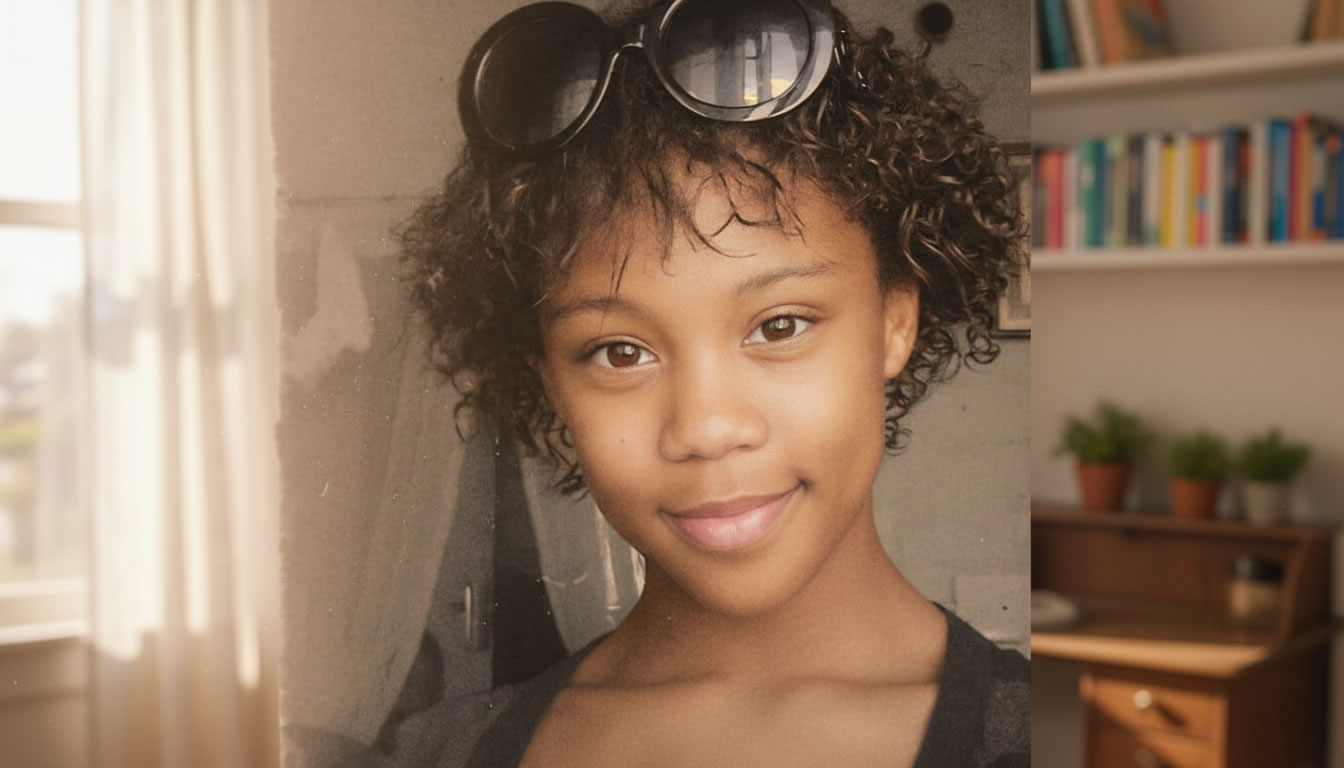
Hout Bay, Western Cape – A mother's worst fears have been tragically realised in the picturesque coastal community of Hout Bay, as the decomposing body of a young female, believed to be 17-year-old Amiena Swano, was discovered earlier this week. The grim find has led to the detention of three suspects, including a 59-year-old woman, and has cast a harsh spotlight on the escalating dangers of drug abuse and violence plaguing the area. While DNA tests are pending to officially confirm the identity, the heart-wrenching account of Amiena's mother paints a vivid picture of a vibrant life cut short and a community grappling with profound challenges.
The discovery was made on a Tuesday night, when police located a body stuffed inside a small cupboard, barely a metre long, within an abandoned house near Sea View Flats in Hangberg. The condition of the body indicated it had been there for some time, adding a layer of horror to the unfolding tragedy. The news quickly reached Salama Swano, Amiena's 54-year-old mother, who had reported her daughter missing days earlier. The clothing found on the body matched the description of what Amiena was last seen wearing, intensifying the family's anguish and the community's dread.
Amiena, a Grade 11 learner at Hout Bay High School, vanished on Valentine's Day, February 14, 2026, after attending a 'One Love' rasta concert with friends. Her mother recounted the last moments she saw her daughter, a memory now etched with sorrow. "I was looking through the window and saw them all pass me by," Salama Swano emotionally shared in an exclusive interview with the Cape Argus. "It was getting late, and I couldn't understand why she hadn’t returned yet. I thought if she wanted to be out by 11pm, I would allow that although she was supposed to be at home already". This poignant recollection highlights the everyday anxieties parents face, anxieties that, for Salama, spiralled into an unimaginable nightmare.
The investigation swiftly moved forward, with police announcing the detention of three individuals. Constable Ndakhe Gwala, a police spokesperson, confirmed the arrests: "Two male suspects aged 36 and 49, along with a female aged 59 have been arrested for murder. They will appear in the Wynberg Magistrate’s court on Friday, February 20, 2026". The rapid arrests offer a glimmer of hope for justice, yet the underlying issues that may have contributed to Amiena's vulnerability remain a pressing concern for residents and authorities alike.
Central to Salama Swano's harrowing testimony is her urgent warning about the prescription drug Xanax (alprazolam) and its devastating impact on young people. She revealed that Amiena had begun experimenting with a dangerous cocktail of Xanax, dagga (cannabis), and Coke just months before her disappearance. This concoction, according to Salama, left her daughter in a "zombie-like" state, severely impairing her ability to defend herself. "So, like now I've lost my daughter, then they will give me this to calm me; it was like a stress tablet, it makes you drowsy like a sleeping tablet, it has different colours because yesterday I saw it on the Internet, I wanted to see how it looks. This was the third time I'm actually seeing her use it. You know, she's like in a zombie state. She talked to you like she is on morphine".
Salama's description of Amiena's altered state is chilling. "I don't know if she did have drinks that night. They (police) didn't say anything about that. But I do know she smoked dagga and she took the Xanax, so she was in a state. If anybody threw her to the floor, she wouldn't have known. She wouldn't be able to defend herself physically. So I don't know what happened. I cannot speculate. I really don't know how it happened, how she ended up there". This candid admission underscores the profound vulnerability that drug abuse can inflict, turning young individuals into easy targets for exploitation and violence. The mother's plea is clear: "I want to warn everyone about this tablet; it is on our streets, it is making our children like zombies".
The prevalence of drug abuse, particularly among the youth, is not a new concern in Hout Bay. Reports from March 2025 indicated that parents and teachers at Hout Bay High School were already demanding action against escalating bullying and drug use, including dagga and Xanax, on school grounds. This earlier outcry suggests a systemic problem that has been festering, potentially creating an environment where young people like Amiena are exposed to dangerous substances and illicit activities. The tragic death of Amiena Swano serves as a stark reminder of the urgent need for comprehensive intervention programmes and heightened awareness campaigns regarding the perils of substance abuse.
Beyond the immediate tragedy, Amiena's case resonates with broader societal issues. President Cyril Ramaphosa, in his 2026 State of the Nation Address, declared gender-based violence (GBV) a national crisis, a declaration that sadly finds grim validation in incidents such as this. The vulnerability of young women to violence, often exacerbated by factors like drug impairment, remains a critical challenge across South Africa. Organisations like Ilitha Labantu have voiced their deep disturbance over the discovery, with Siya Monakali stating, "The seriousness of the case demands swift, coordinated, and transparent investigative action to ensure accountability and to address growing concern within the community".
Hout Bay has unfortunately been no stranger to violent crime in recent months. The community has witnessed a series of disturbing incidents, including a triple murder in Imizamo Yethu in October 2025, and a shooting incident on February 15, 2026, just days before Amiena's body was found. Another decomposed body was discovered in an abandoned house in Hangberg on February 19, 2026, further highlighting a worrying trend of violence and unexplained deaths in the area. These incidents collectively paint a picture of a community under strain, where safety and security are increasingly precarious.
As the community awaits the official DNA confirmation and the judicial process unfolds, the words of Candice van der Rheede, founder and director of the Western Cape Missing Persons Unit (WCMPU), serve as a crucial reminder: "It is not confirmed that it is her as we have to wait for DNA, and we are asking people not to speculate". While the wait for definitive answers is agonising, the focus must remain on supporting the grieving family, ensuring a thorough investigation, and addressing the systemic issues that contribute to such tragedies. Salama Swano's final, desperate warning echoes through the community: "This situation could happen to anyone. What’s happening with our young people?". It is a question that demands urgent attention and collective action to safeguard the future of Hout Bay's youth.