On the East Rand, families are living with the worst kind of fear: the kind where a missing woman can turn into a body found weeks later, in places that should be ordinary and safe. Now President Cyril Ramaphosa has stepped in directly, calling on police to leave no stone unturned as investigations continue into the deaths of at least six women discovered around Kempton Park, Springs and Olifantsfontein in Gauteng.
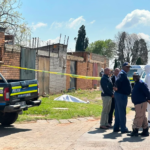
The most recent discovery was made on Tuesday in Kwa-Thema, Springs, where investigators are now working to understand what happened and who is responsible. The case has added to a run of similar deaths already being handled by police, with several of the women reportedly assaulted before they died.
Residents in and around these areas say they are struggling to come to terms with what has been happening. Women in particular are looking over their shoulders, changing routines and avoiding places where they would normally feel comfortable. And as the investigation grows, the message from the Presidency is clear: police must prioritise the cases and move with speed.
More bodies discovered across Kempton Park and Ekurhuleni
The killings are understood to cover an area that stretches around Kempton Park, then into Springs, and further towards Olifantsfontein. Investigators are not treating the matter as “just another murder case”. Instead, it is being treated as a serious threat to public safety, with law enforcement urged to track leads, follow evidence and push every investigation avenue until answers are found.
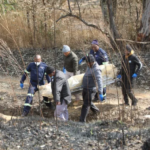
On Tuesday, the focus shifted again after the discovery in Kwa-Thema, Springs. That finding came after earlier deaths where women’s bodies had been recovered over the previous weeks and months in the broader Kempton Park area, and also following the discovery of another body in Olifantsfontein on Monday.
What makes the situation even more painful for families is the timeline. At least four women had previously been found dead over a period of about two months in and around the Kempton Park area. Then, another body was reported in Olifantsfontein on Monday. With the Tuesday discovery in Kwa-Thema, the total number of women being investigated has reached at least six.
Police are working to piece together the full picture. Investigators will be looking at the locations where the bodies were found, the circumstances surrounding each death, and any connections that might exist between the cases.
President speaks after being briefed by police leadership
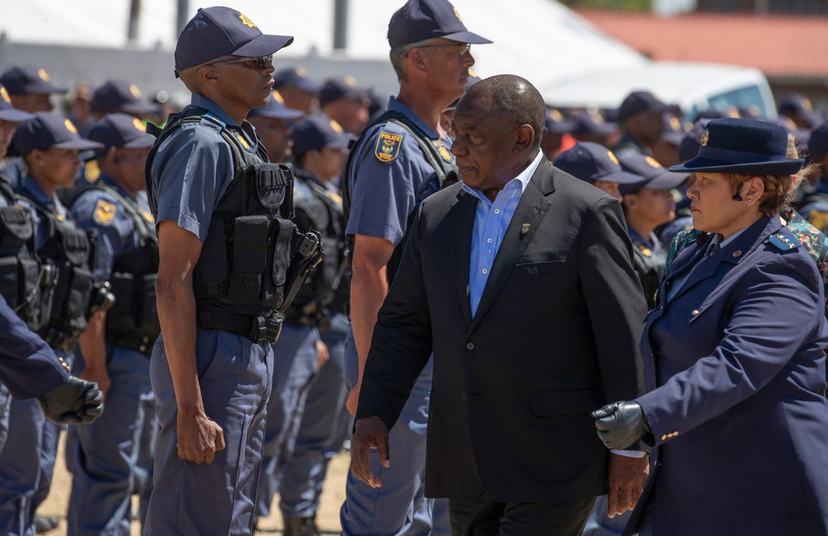
President Ramaphosa said he had been briefed on the investigations. He spoke to the Police Minister and the Acting National Police Commissioner, who provided updates about how the cases were being handled and what steps were being taken to identify those responsible.
In his remarks, Ramaphosa said the deaths had left families and communities devastated. He also said the incidents were increasing fear and uncertainty among ordinary people, particularly among women.
Ramaphosa also warned that these incidents are having a wider effect than what most people would see on the ground. The fear, he said, spreads beyond the crime scene and into daily life—into where women feel safe, how families plan their evenings, and whether communities believe the system will deliver justice.
“I speak for all of us as I extend my deepest condolences to all families and communities affected by the killing of women recently found in and around Kempton Park,” he said.
“These incidents are causing fear and uncertainty in our communities, and especially among women.”
Those words were delivered in a tone that matched the seriousness of the situation. In a direct message, Ramaphosa said he had directed that the cases be treated as a priority and that law enforcement must urgently establish what happened.
“No stone be left unturned” — direct instruction to police
The President’s message to police was not vague or soft. He called for decisive action, saying officers must do the work required to find the truth.
He directed that these cases be prioritised and that no stone be left unturned in bringing those responsible to justice.
“I have directed that these cases be prioritised and that no stone be left unturned in bringing those responsible to justice,” Ramaphosa said.
The instruction is aimed at forcing momentum. In cases involving multiple deaths, especially where victims appear to be targeted, investigations can face pressure from the clock—pressure to move quickly, gather evidence, and identify patterns that might lead to arrests.
Ramaphosa also called for cooperation between police and the public. He stressed that information from communities could be crucial.
That message is familiar to many South Africans who know how investigations often depend on local knowledge—what someone saw, who was last heard from, or which direction a vehicle travelled. When police ask for public help, it usually means they want people to speak up without delay, even if the information seems small.
In situations like these, neighbours often notice unusual movements. Taxi drivers and shop owners may remember faces. Families may recall someone’s last phone call. Police depend on these details to connect the dots.
Government reaffirms protection for women and girls
Ramaphosa also reaffirmed the government’s responsibility to protect women and girls, emphasising safety and dignity. His message was aimed at reminding everyone that violence against women is not just a criminal matter—it is a direct challenge to the values a society is meant to protect.
“Our hearts go out to all the families affected by the terrible events in the Kempton Park area,” he said.
For families who are already suffering, those words land heavily. When a woman is murdered—especially when there is reported sexual assault involved—grief becomes something different. It includes anger, shock, and the feeling that the system must respond properly, not only after the fact, but in a way that prevents further harm.
The President’s statement comes as communities across Gauteng continue to face the reality that attacks on women can happen in many forms, from street harassment and violence to cases tied to wider criminal networks. Police and government have repeatedly been under pressure to improve safety and ensure that perpetrators are identified and brought to court.
How the public can help — contact details released
Ramaphosa called on anyone with information about the killings—or anyone whose relative or friend is missing—to contact the police.
Anyone with information about the killings, or anyone whose relative or friend is missing, has been urged to contact Warrant Officer Elvis Manyike on 082 465 7249.
This hotline is meant to help police move faster, especially in cases where the smallest detail might matter. Investigations in murder cases often rely on leads that are provided soon after communities become aware of what is being investigated. The sooner police receive information, the more likely it is that they can preserve evidence and act on it.
Background: why these cases hit so hard in communities
When bodies are found over a spread of time and across multiple locations, it creates a particular kind of panic. People start comparing notes. Families begin to worry about friends who might have been out late. Women start changing their routes, planning trips around daylight, and thinking twice about being alone.
In Gauteng—where the movement of people between areas is constant—such fears grow quickly because communities are connected. Kempton Park, Springs and Olifantsfontein are not isolated towns. People travel between them for work, school, visits and daily errands. That means fear travels too, and it affects how people behave.
Police have repeatedly asked for caution and public support in serious cases like this, but the reality is that safety needs action at every level: fast investigation, strong evidence gathering, proper follow-up, and community cooperation.
The road ahead for investigators — and for justice
For the families of the victims, the waiting is the hardest part. They want answers. They want to understand why their loved ones died and how those responsible can be found. They want the investigations to move beyond statements and into results.
President Ramaphosa’s instruction to prioritise the cases and leave no stone unturned sets expectations that police must meet. As investigations continue across Kempton Park, Springs and Olifantsfontein, the focus must now be on what evidence shows and what leads can be confirmed—because every day that passes without progress only increases fear among those who feel most vulnerable.
In cases involving violence against women, the public wants more than reassurance. People want justice that arrives in time, and they want it with names, faces and convictions—so that no more families have to go through the same nightmare.