

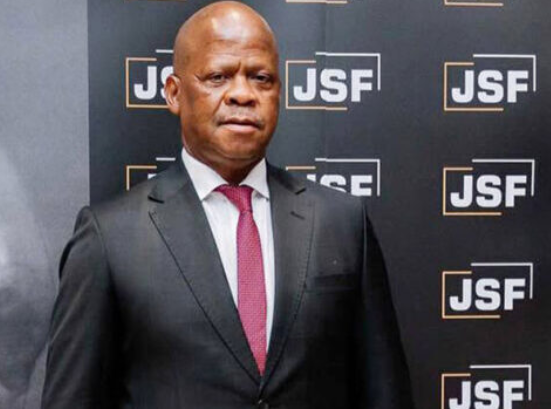
A court-appointed curator has been authorised to take control of property linked to taxi boss Joe “Ferrari” Sibanyoni and his co-respondents, search for additional assets and examine their financial dealings in South Africa and abroad.
The appointment follows a provisional restraint order over property and vehicles estimated to be worth about R99 million. The order prevents the respondents from selling or disposing of the assets while the legal process continues. It does not amount to a final forfeiture or a finding that the property was obtained through crime.
The respondents are Sibanyoni, his associate Bafana Sindane, Mvimbi Masilela, Philemon Msiza and Rose Sibanyoni. The National Prosecuting Authority’s Asset Forfeiture Unit brought the application before the Mpumalanga High Court in Middelburg.
Richard Masoanganye, a director and liquidator of Bombani Liquidators & Trustees CC, was appointed curator bonis. His role is to take possession of and administer the property covered by the order.
The order gives Masoanganye wide powers to locate assets wherever they may be, take them under his control and manage them. He is also authorised to examine documents, computers and business records belonging to the respondents to identify other property that may be linked to alleged criminal activity.
His investigation can extend to the respondents’ accountants and auditors, as well as records connected to their financial affairs and other entities in which they have interests.
He may approach financial institutions and legal practitioners in South Africa and overseas to establish whether they hold money or assets connected to the respondents.
The curator is also authorised to recover gifts the respondents may have given to friends or relatives, where those assets fall within the scope of the order.
The NPA said its Asset Forfeiture Unit obtained the order on 28 September 2026 under section 26 of the Prevention of Organised Crime Act.
“On 28 September 2026, the AFU (Asset Forfeiture Unit) obtained an uncapped provisional restraint order from the Mpumalanga Division of the High Court, Middelburg, in terms of section 26 of the Prevention of Organised Crime Act 121 of 1998 (POCA).
“The order emanates from ongoing investigations by SAPS into alleged criminal activities involving extortion and related offences linked to Sibanyoni and others.”
NPA spokesperson Kaizer Kganyago said the restraint order was intended to preserve the assets while the legal process continued. He said the respondents had not been convicted of the alleged offences.
The restrained property reportedly includes homes in exclusive golf estates, as well as other properties in Centurion and Pretoria. The vehicles listed include Ferraris, a Porsche, a Lexus, Mercedes-Benz vehicles and BMWs.
Sibanyoni is a prominent Mpumalanga taxi operator, and he and Sindane have been known to display their wealth. The state is prosecuting them and other accused in a separate case at the Delmas Magistrate’s Court, where they face allegations of extortion and money laundering.
The state alleges that the group extorted R2.2 million from businessman Thomas Ntuli over a period of time. The accused have not been convicted of those allegations.
Evidence at the Madlanga Commission has also linked Sibanyoni and Sindane to the burning of 51 Putco buses in January 2024 and disruptions to bus operations. The commission heard that an offer was later made to buy the bus company, which was described as unsolicited.
Sibanyoni denied the allegations, saying the offer was made for the benefit of people in KwaMhlanga and not for his personal interest. Evidence also referred to meetings involving police officers and other taxi operators at Sibanyoni’s Centurion estate, where plans to enter the bus industry were allegedly discussed. Sibanyoni confirmed that he used the estate as an office. Sindane has not yet appeared before the commission.
The restraint order gives the curator authority to identify and protect property while investigations and court proceedings continue. It does not determine whether the accused committed the offences alleged against them, and the respondents remain presumed innocent unless proven guilty.