

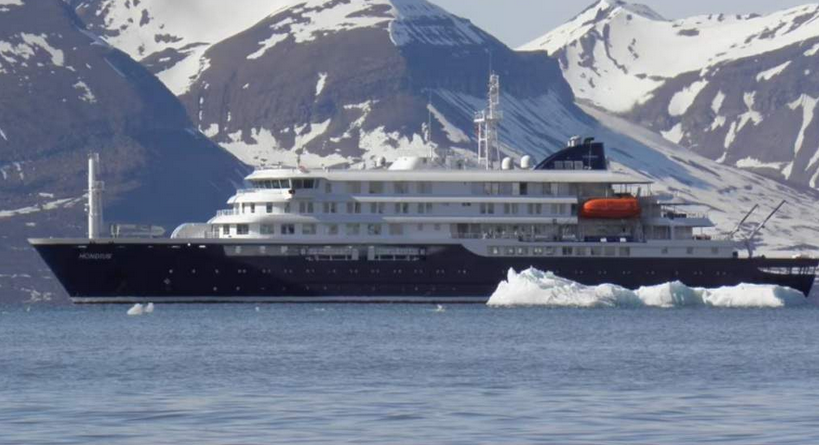
Johannesburg, Gauteng – What was meant to be a once-in-a-lifetime polar expedition has turned into a maritime nightmare following a suspected outbreak of the deadly hantavirus aboard a cruise ship in the Atlantic Ocean.
The tragedy has already claimed three lives, with one passenger currently fighting for survival in a Johannesburg intensive care unit.
The World Health Organisation (WHO) and South African health authorities have confirmed that at least six individuals were struck down by the severe respiratory illness while aboard the MV Hondius, a vessel operated by Oceanwide Expeditions.
A Polar Dream Turned Deadly
The MV Hondius, known for its rugged ice-strengthened hull and luxury polar tours, was sailing through the Atlantic when passengers began showing signs of severe respiratory distress. According to reports, the illness progressed rapidly, catching the ship’s medical team off guard.
"Of the six affected individuals, three have died and one is currently in intensive care in South Africa," a spokesperson for the WHO confirmed on Sunday.
The victims include two passengers who passed away at sea and a third who succumbed to the illness after being medically evacuated. A British man is reportedly among those in critical condition, currently receiving treatment in a specialized isolation ward in Johannesburg.
The Hantavirus Threat
While initial reports described the illness as a "mysterious respiratory outbreak," health experts have since identified hantavirus as the likely culprit. Hantavirus is a rare but extremely dangerous virus typically transmitted to humans through contact with rodents or their droppings.
In its most severe form, it causes Hantavirus Pulmonary Syndrome (HPS), a condition characterized by the rapid buildup of fluid in the lungs, leading to severe shortness of breath and, in many cases, death. The mortality rate for HPS can be as high as 38%, making it one of the most lethal respiratory viruses known to science.
"Hantavirus is not typically associated with maritime environments, which makes this outbreak particularly unusual and concerning," said a public health expert. "The investigation will likely focus on how the virus was introduced to the ship, possibly through contaminated supplies or a rodent infestation in the vessel’s storage areas."
South Africa on High Alert
The decision to transport a critically ill passenger to a Johannesburg hospital has placed South African health authorities on high alert. The National Institute for Communicable Diseases (NICD) is reportedly working closely with the hospital to ensure that strict quarantine protocols are maintained.
"The patient is being treated in a high-security isolation unit," a source within the Gauteng Department of Health confirmed. "While hantavirus is not known to spread easily from person to person, we are taking every precaution to ensure there is no risk to the public or healthcare workers."
The arrival of the virus on South African soil has sparked a wave of concern on social media, with many questioning why a patient with a highly lethal, unknown virus was allowed to cross international borders and be transported to the heart of the country’s most populous province.
Questions Over Cruise Ship Safety
The tragedy has once again cast a spotlight on the safety and hygiene standards of the multi-billion dollar cruise industry. Oceanwide Expeditions, the company behind the MV Hondius, has expressed its "deepest condolences" to the families of the deceased but has yet to provide a detailed explanation of how the outbreak occurred.
In a statement, the company said it was "cooperating fully" with international health organizations and that the safety of its passengers and crew remained its "highest priority."
However, for the families of those who died at sea, these words offer little comfort. The investigation is expected to be a complex, multi-national effort involving the WHO, the ship’s flag state, and health authorities in the ports of call.
The Human Cost of Adventure
As the MV Hondius continues its journey under a cloud of grief, the story of the "Atlantic outbreak" serves as a grim reminder of the risks that come with remote adventure travel. For the passengers who remain on board, the dream of seeing the polar wilderness has been replaced by the stark reality of a medical emergency at sea.
In Johannesburg, the focus remains on the survivor in the ICU. His battle for life is now the final chapter in a tragedy that has bridged the vast distance between the lonely Atlantic and the bustling wards of a South African hospital.