

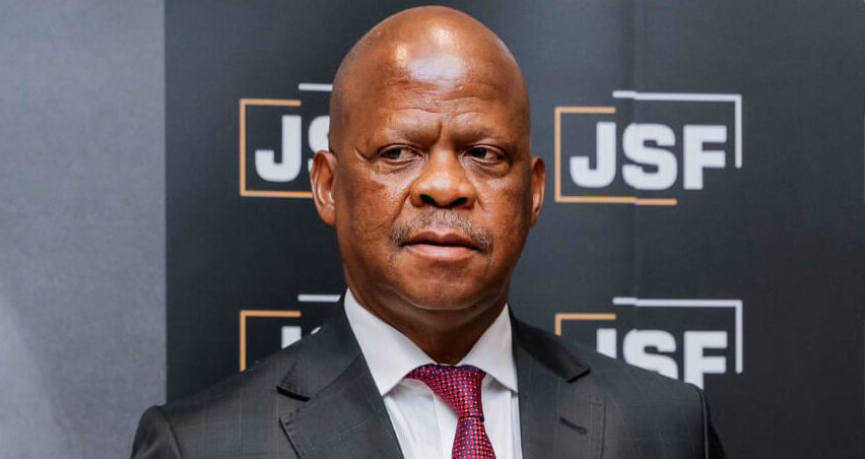
Madoda “Joe Ferrari” Sibanyoni is a striking figure in South Africa’s transport landscape: a flashy, controversial and immensely wealthy taxi boss whose empire stretches from street‑level minibus taxis to a broad property portfolio. His rise from a single taxi in the 1980s to the presidency of one of the country’s biggest taxi bodies has made him a household name in the industry — and a target for rivals in the shadowy world where ranks, money and influence meet violence.
Humble beginnings, relentless ambition
Sibanyoni hails from Kwaggafontein in Mpumalanga. He began in the taxi business in the 1980s with one vehicle and the determination common to many operators who built small transport businesses into thriving enterprises. Over decades he expanded, reinvesting fare income into more vehicles and buying property. He now controls hundreds of taxis and has interests across the sector’s value chain, from rank management and route control to vehicle maintenance and property holdings.
His appetite for spectacle helped shape his public persona. The nickname “Joe Ferrari” came as much from his flashy lifestyle as from his love of the marque: he owns several Ferraris, a symbol of speed, status and excess that matches his taste for opulence. That public visibility has made him both admired in some quarters and deeply resented in others, especially where competition over routes and ranks is fierce.
A leader at the top of a fractious industry
In April 2024 Sibanyoni was chosen as president of the SA Local and Long‑Distance Taxi and Bus Organisation. He took over the leadership after the death of Jotham “Mswazi” Msibi, his one‑time friend and a man whose own influence stretched through taxi politics and, according to investigators and witnesses, into less lawful networks. Prior to becoming president, Sibanyoni held multiple leadership roles within the industry and its ecosystem. His knowledge of the sector’s informal rules, bargaining structures and political connections gave him significant sway over how services were provided and who profited.
That influence extends beyond minibuses and ranks. Witnesses at the Madlanga Commission — established to probe high‑level allegations of political interference and state capture within the justice system — named Sibanyoni in testimony linking him to corrupt tender allocations at the Tshwane municipality. Such allegations, if substantiated, suggest the taxi industry’s financial and political muscle can intersect with municipal contracting in ways that undermine transparency and fuel patronage.
Two attempts on his life
Sibanyoni’s life has not been without grave danger. At least two assassination attempts punctuate his rise. The most notorious occurred on 10 August 2022, when gunmen opened fire outside his home at the Centurion Golf Estate. Sibanyoni and an associate were sprayed with bullets; two rounds tore through his abdomen. The ambush was brazen and swift. A white BMW, used in the attack, fired at him as he left a Bryanston restaurant, then drove into the estate. Estate security returned fire, hitting the BMW multiple times and disabling it enough for it to flee. Those return shots are widely credited with preventing the attackers from finishing the job.
That incident has been linked by police to contestation over succession and power within what investigators believe is a broader criminal network known as the Big Five cartel. Crime boss Vusimuzi “Cat” Matlala has been charged over the attack; prosecutors contend the shooting relates to internal rivalries and disputes over the control of criminal enterprises that overlap with the taxi industry.
Sibanyoni’s survival has been as much about fortuitous security measures as about luck. The Centurion episode is a vivid illustration of the risks prominent figures face: public lifestyles and visible assets make them easy targets for rivals who use violence to settle business and personal scores.
Allegations and the Madlanga Commission
The Madlanga Commission heard testimony that painted a worrying picture of interlinked networks of taxi bosses, businessmen and alleged criminal actors. Witnesses named Sibanyoni alongside Msibi, businessman Steve Motsumi, Matlala and Katiso “KT” Molefe as leaders of the so‑called Big Five — an alleged umbrella group implicated in tender fraud, extortion and violent enforcement tactics.
Such allegations do not amount to convictions. But the commission’s role is to lift the veil on systemic problems: how organised crime may intersect with politics, business and municipal contracting. For Sibanyoni, being named at the hearings deepens public scrutiny of his dealings and those close to him. The commission’s findings and any subsequent criminal investigations could reshape the balance of power in the taxi sector and beyond.
The business of taxis: money, power and violence
Sibanyoni’s trajectory illustrates the complex economics of South Africa’s taxi industry. The sector is a vital, often informal, backbone of urban mobility for millions of commuters. It is also cash‑intensive, politically sensitive and prone to violent disputes over lucrative routes and ranks. Where lucrative municipal contracts, property interests and lucrative routes are at stake, competition can turn deadly. The alleged crossover between taxi cartels, tender fraud and organised crime highlights how legitimate businesses can be exploited to launder money, entrench political influence and finance violence.
Public perception and political calculation
To supporters, Sibanyoni is a self‑made success story: a man who started with little and built a transport empire that provides jobs and services. To critics and rivals, he is emblematic of how unchecked influence and murky alliances can warp an industry that should serve commuters, not power brokers. His flamboyant lifestyle and public persona make him a polarising figure, attracting both admiration and hostility.
What comes next
As Sibanyoni heads a major industry body and faces heightened scrutiny from inquiries and law‑enforcement probes, his leadership will be tested. Will he steer the taxi industry towards reform and greater accountability, or will the spectre of criminal allegations and violent rivalries continue to define his tenure? The answer could determine whether the sector becomes safer and more transparent — or whether it remains a battleground for wealth, influence and sometimes lethal competition.
In the meantime, the image of Joe “Ferrari” Sibanyoni — surrounded by Ferraris, wealth and controversy — remains an apt metaphor for a sector that has given rise to immense fortunes and equally grave dangers.