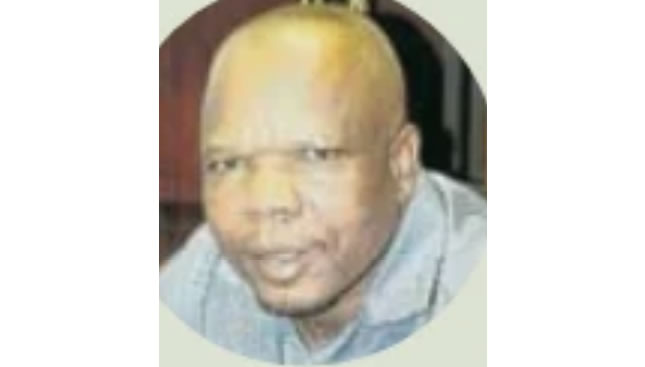
Jotham Zanemvula “King Mswazi” Msibi was the most consequential — and most controversial — figure in South Africa’s taxi industry for nearly three decades. When he died in February 2024, his name carried equal measures of reverence and dread. To supporters he was a visionary leader who built institutions and steadied a fractious sector; to critics and rivals he was a ruthless power broker accused of mixing legitimate enterprise with violent, clandestine networks.
A titan of the taxi industry
Msibi’s authority was not the product of a single title but of long‑standing influence. He served as president of the South African Local and Long‑Distance Taxi and Bus Organisation for 27 years and was a founder of the South African National Taxi Council (Santaco). Even when he did not hold official posts within Santaco, many in the sector treated him as its de facto leader, with senior figures such as Phillip Taaibosch and Abner Tsebe reportedly deferring major decisions to him. At his death he also chaired Taxi Choice, a commercial arm providing support services to taxi operators.
That accumulation of roles made Msibi a gatekeeper of enormous practical power. The taxi industry — an indispensable part of South Africa’s public transport system, often informal and largely cash‑driven — depends on complex relationships over routes, ranks and revenue. For decades Msibi’s voice carried weight in resolving disputes, allocating lucrative routes and mediating conflicts between rival associations. His influence extended into construction, property and security sectors where many taxi operators invest.
A reputation forged in force and negotiation
Msibi’s stewardship rested on a mixture of political savvy, organisational skill and the credible threat of force. Taxi ranks and routes are valuable assets; controlling them requires negotiating with politicians, municipal officials and rank operators, and sometimes confronting rivals who contest territories. Msibi’s name commanded compliance. He blended public negotiation with private pressure in ways that secured him the loyalty of some and the enmity of others.
That blend explains the complex reactions to his death. For some in the sector, losing Msibi meant losing a stabilising arbiter whose decisions, however heavy‑handed, kept violent escalation in check. For others, it removed a potent patron whose reach had consolidated wealth and influence in a narrow circle while allegedly squeezing out competitors.
Allegations of criminal networks and the Big Five
Beyond the legitimate trappings of taxi leadership, Msibi’s legacy is shadowed by accusations of deeper, criminal entanglement. Witnesses to the Madlanga Commission — convened to probe allegations of political interference and corruption at high levels — named Msibi among leaders of an alleged criminal syndicate known as the Big Five. Testimony and police evidence presented to the commission linked the cartel to tender fraud, extortion, contract killings and other organised‑crime activities.
One witness described Msibi as “ruthless and dangerous.” Police and commission testimony suggested that the Big Five operated across taxi ranks, construction contracts and municipal tenders, deploying violent tactics when business disputes turned deadly. Msibi owned a farm near Hammanskraal, north of Pretoria, which investigators say was used as a secure meeting place for the cartel’s leaders — a detail that fuels claims the syndicate mixed legitimate business with clandestine planning.
High‑profile violent allegations
Msibi’s rise came with tangible risk. In January 2024 former State Security Agency boss Arthur Fraser claimed Msibi had been contracted to kill him and his lawyer, Muzi Sikhakhane. Whether there was truth to that allegation remains a matter for investigators and, if warranted, the courts. But such claims underline how Msibi’s name became associated with lethal power in public discourse.
For many observers, Msibi embodied a worrying crossover: respected transport leader by day, feared enforcer by night. Whether these portrayals are fully accurate, exaggerated by rivals, or somewhere in between, they helped shape a public perception of Msibi as a man who could command obedience and instil fear.
The politics of patronage and municipal contracts
Msibi’s influence reached municipal corridors of power. Testimony at the Madlanga Commission suggested links between taxi bosses and dodgy tenders at municipal level, notably in Tshwane. If true, those links illuminate how tender allocations and procurement can become an extension of taxi politics: public funds channelled into private networks that then reinforce political alliances and commercial dominance.
This patronage dynamic has policy implications. A sector that touches millions of commuters cannot be allowed to become a conduit for corrupt enrichment or violent control. Yet the same informal and decentralised structure that makes taxis vital also makes the industry hard to regulate — and tempting for powerful brokers.
A polarising legacy
To many taxi operators Mr Msibi was an effective, even indispensable, leader who could mobilise the sector and negotiate with government. To others he symbolised the worst excesses of power: opaque deals, intimidation and alleged criminality. His long tenure and refusal to cede influence meant the industry developed around personalities as much as institutions, with Msibi’s imprint everywhere from ranks to tender rooms.
For law enforcement and policy makers the question is not simply about one man but about the structures he occupied. The Madlanga Commission’s findings and any follow‑up prosecutions could alter the sector’s power balance, curbing the informal networks that allowed individuals like Msibi to accumulate sweeping authority.
King Mswazi — The Taxi Boss Who Ruled Ranks, Routes and Fear: Inside the Rise and Fall of Jotham “King Mswazi” Msibi
Msibi’s passing in 2024 removed a central arbiter; it also opened a vacuum — and opportunity. Succession in the taxi world is rarely peaceful. Rivalries over routes and ranks have historically sparked violence, sometimes at scale. The Big Five’s alleged internal struggles, and later attempts on figures such as Madoda “Joe Ferrari” Sibanyoni, illustrate how power transitions can be lethal.
Whether the industry moves towards institutional strengthening or descends into further factional warfare may hinge on political will, effective policing and regulatory reforms that reduce the influence of single powerful brokers. Measures such as transparent tendering, stronger municipal oversight and better dispute‑resolution mechanisms could dampen the appeal of extra‑legal enforcement.
Conclusion
Jotham “King Mswazi” Msibi lived at the intersection of legitimacy and menace. His decades of dominance shaped South Africa’s taxi sector in ways that improved coordination and consolidated power — and, according to testimony and allegations, sometimes blurred the lines between lawful leadership and organised criminality. As inquiries continue and the industry adapts to his absence, the story of King Mswazi will remain a cautionary tale about how informal power can harden into entrenched influence, for better or worse.