

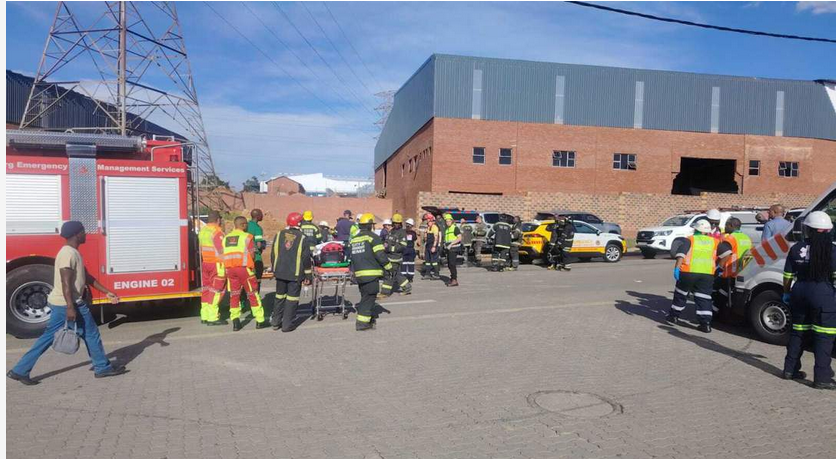
Johannesburg, South Africa – A devastating building collapse in Ormonde, Johannesburg, has claimed the lives of at least six individuals, with several others still trapped beneath the rubble. The tragic incident has unearthed a disturbing reality: the structure had no approved building plans, raising serious questions about illegal construction, regulatory oversight, and the safety of countless other buildings across the city. This catastrophe serves as a grim reminder of the potential human cost when proper procedures and safety standards are neglected.
The collapse, which occurred on Monday, has left a community reeling and emergency services working tirelessly in a desperate search and rescue operation. Initial reports indicated that at least 15 construction workers were believed to be trapped when the multi-storey building, reportedly under construction, gave way. The grim discovery of six fatalities has cast a pall over the area, transforming a construction site into a scene of profound sorrow and urgent investigation.
City Manager Floyd Brink confirmed the alarming absence of approved building plans for the collapsed structure. This revelation immediately points towards the possibility of illegal construction, a pervasive issue in many rapidly developing urban centres. Brink stated, "An initial investigation has found no evidence of approved building plans for the structure," a statement that has intensified public outrage and calls for immediate action against those responsible.
The lack of official documentation means the building was likely erected without the necessary structural assessments, safety inspections, or adherence to national building regulations, effectively turning it into a death trap for those working within its walls.
President Cyril Ramaphosa has expressed his condolences to the families of the victims and has called for a thorough investigation into the circumstances leading to the collapse. This presidential intervention underscores the gravity of the situation and the widespread concern that such incidents erode public trust in governance and urban planning. The investigation will undoubtedly focus on identifying the developers, contractors, and any municipal officials who may have been complicit in allowing an unapproved structure to be built and operated.
The Ormonde tragedy is not an isolated incident in South Africa. The country has witnessed several building collapses in recent years, each highlighting systemic failures in enforcement and compliance. The devastating George building collapse in May 2024, which resulted in numerous fatalities, brought national attention to the critical need for stricter adherence to building codes and rigorous oversight. While the contexts may differ, the underlying theme of neglected safety and accountability remains chillingly consistent.
These repeated catastrophes suggest a broader problem within the construction industry and regulatory bodies, where shortcuts are taken, and human lives are tragically undervalued.
The implications of this latest collapse extend beyond the immediate loss of life. It raises profound questions about the integrity of urban development in Johannesburg and potentially other South African cities. How many other buildings stand without proper approval, posing similar risks to their occupants and the public? The incident demands a comprehensive audit of construction sites and existing structures, particularly those that appear to have bypassed official channels. Without such proactive measures, the city risks further tragedies and a deepening crisis of confidence in its ability to ensure public safety.
For the families of the victims, the pain is immeasurable. They are left not only with the grief of losing loved ones but also with the bitter knowledge that these deaths might have been preventable had proper procedures been followed. The call for justice is loud and clear, and it is imperative that the investigations are swift, transparent, and lead to tangible consequences for all parties found negligent or corrupt. Only through decisive action can the authorities hope to restore faith and prevent future occurrences of such preventable disasters.
As rescue efforts continue, the focus will remain on recovering any remaining victims and understanding the full scope of the structural failure. However, the long-term imperative is to address the root causes of this tragedy: the unchecked proliferation of illegal construction and the apparent weaknesses in the regulatory framework designed to prevent such calamities. The Ormonde building collapse must serve as a watershed moment, prompting a fundamental re-evaluation of construction practices and a renewed commitment to safeguarding human life in South Africa’s urban landscapes.