

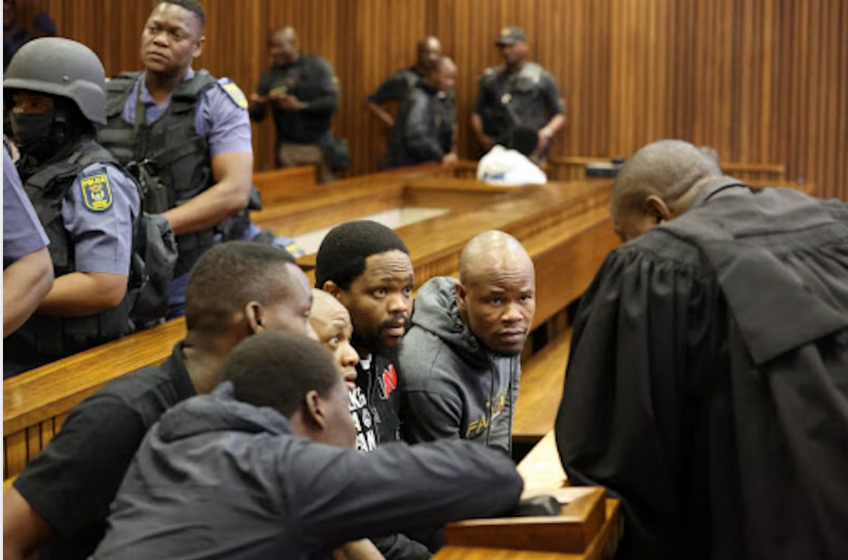
The Senzo Meyiwa murder trial reached a critical juncture on Monday, 2 March 2026, when the Pretoria High Court grappled with competing claims about police conduct and evidence, whilst the defence pressed for expert funding and the judge warned both sides against further delays.
The trial into the 2014 murder of Orlando Pirates goalkeeper Senzo Meyiwa resumed today following a brief postponement, with Bongani Ntanzi (Accused Number 2) returning to the dock as procedural arguments dominated the courtroom. Rather than witness testimony, the day unfolded as a complex legal battle over confessions, expert evidence, and the fundamental question of whether accused individuals were tortured into admitting guilt.
Judge Ratha Mokgoathleng opened proceedings with stern language regarding delays. "This trial must proceed expeditiously. The family of the deceased deserves finality," the judge stated, setting an assertive tone that signalled dwindling patience with protracted legal manoeuvres. The warning hung over both the State prosecution and defence teams, each hoping to secure their preferred evidentiary pathway.
The defence team's primary argument centred on allegations that several accused were subjected to police assault to extract confessions. According to statements filed with the court, officers allegedly detained and "intimidated" some of the accused during the investigation phase, invalidating any subsequent admissions of guilt. The defence requested that the court examine whether such confessions were genuinely voluntary or products of coercion. This "trial within a trial," known as a voir dire examination, determines admissibility of contested evidence before the main trial proceeds.
State prosecutor George Baloyi maintained a counter-position: the confessions were voluntary, the accused were not assaulted, and all procedural protocols were followed during interrogation. The State's evidence rests partly on interviews and investigation records, but Baloyi emphasised that no credible evidence of torture has been presented.
A central obstacle emerged: the defence sought to deploy a ballistics expert to challenge the State's forensic evidence, but funding remained unresolved. The defence requested a judicial order compelling the State to fund the expert's engagement—a common procedural manoeuvre when resources are exhausted. Mokgoathleng set a firm deadline for the defence to secure this funding and for the State to respond in writing, signalling that budgetary excuses would not delay the trial's substantive phase.
The live-streamed proceedings, broadcast via SABC News, drew thousands of viewers, underscoring Meyiwa's continued prominence in South African public consciousness. Nearly twelve years after his death—shot at his girlfriend's Vosloorus home on 26 October 2014—the case remains one of the nation's most closely followed criminal trials.
Substantive witness testimony is expected to resume imminently, with the court signalling that the next round of examinations will focus on the alleged confessions and the circumstances surrounding them. Sources close to the trial suggest that witnesses who will testify about police interrogation procedures are scheduled for the coming days.
The trial's resumption today reflects both the case's enduring significance and the courts' determination to bring resolution to a case that has captivated South Africa for nearly twelve years.