

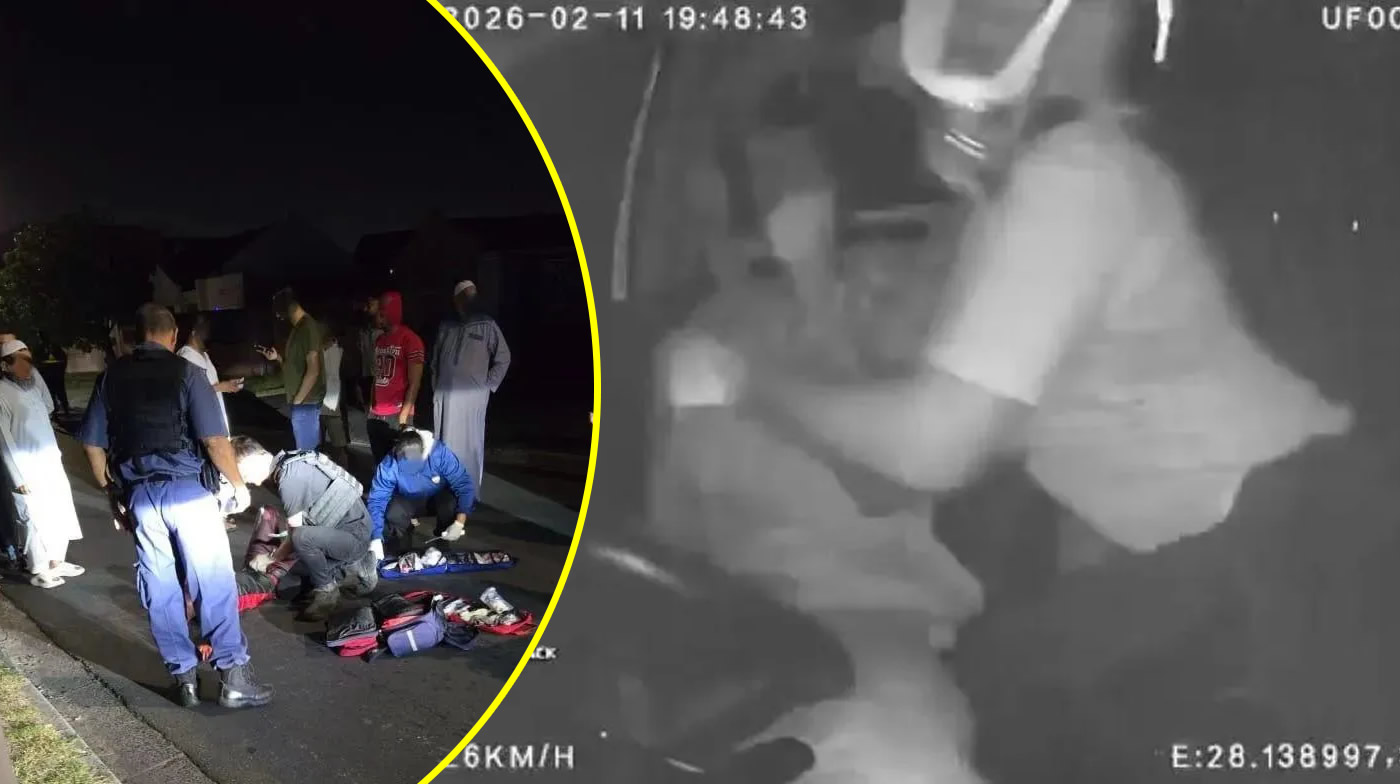
CAPE TOWN – The silence of Jeina Road in Rylands, Athlone, was shattered on Saturday night, 21 February 2026, by a sequence of events that has become a recurring nightmare for South Africa’s e-hailing community. At approximately 10.45pm, a male driver in his 30s, responding to what he believed was a routine trip request, was met not by passengers, but by four gunmen. The encounter was brief, brutal, and left the driver fighting for his life in a hospital bed, having sustained gunshot wounds to both his face and chest.
The attackers fled the scene in the victim’s white Toyota Aygo, leaving behind a trail of trauma that extends far beyond the blood-stained pavement of Rylands. This latest incident is part of a escalating wave of violence targeting those who keep the nation’s digital economy moving. For the drivers who navigate these treacherous streets, the sense of being "easy targets" has moved from a quiet fear to a loud, desperate demand for systemic change.
Siyabonga Hlabisa, chairperson of the Western Cape E-hailing Association (WCEA), did not mince his words when speaking to the Daily Voice. He expressed a profound sense of exhaustion, stating that the association and its members are "dik" — a local term for being fed up — of being preyed upon by criminals. Hlabisa’s frustration is rooted in a perceived lack of protection from both the South African Police Service (SAPS) and the very platforms that profit from the drivers' labour.
“It is a serious challenge as we are being informed that drivers are being killed and attacked, and we are being let down by the SAPS, as not many arrests are being made,” Hlabisa remarked. He highlighted a grim reality: the tools of their trade, particularly the smartphones required to operate the apps, are frequently stolen and sold back into the same communities they serve, creating a vicious cycle of crime.
The Rylands attack occurred less than two weeks after the brutal murder of Isaac Satlat, a 22-year-old Nigerian national and engineering student, in Pretoria West. Satlat’s death, which took place on 11 February 2026, was captured in a disturbing dashcam video that circulated widely on social media. The footage showed suspects posing as passengers before strangling him inside his vehicle. Although Bolt later confirmed that Satlat was not registered on their platform at the time of the incident — a common occurrence where drivers "rent" profiles or work across multiple apps — his death has become a catalyst for the current outcry.
The WCEA is now advocating for several critical safety reforms. Chief among these is the mandatory installation of dashboard cameras. Hlabisa pointed out that the evidence from Satlat’s murder was only available because of such a device. “We need processes to be put in place so that we can ensure that there is evidence when these incidents occur,” he said.
Furthermore, drivers are calling for a fundamental shift in how passengers are verified. Currently, while drivers must undergo rigorous background checks and face verification, passengers can often remain anonymous, using prepaid SIM cards and untraceable payment methods. The WCEA has requested that e-hailing companies implement a system where a picture of the customer’s face is shown to the driver upon accepting a ride. This, they argue, would help ensure that they are not being scammed or lured into a trap.
Constable Ndakhe Gwala, a police spokesperson, confirmed that Athlone police are investigating a case of attempted murder and hijacking. While the circumstances surrounding the Rylands incident remain under investigation, the pattern is all too familiar. In January 2025, four suspects were arrested for similar attacks on e-hailing drivers in Cape Town, and in December 2024, three knife-wielding teenagers were caught on video robbing a driver in the same Athlone area.
The geographical distribution of these attacks reveals a map of "red zones" — areas like Nyanga, Philippi, and parts of Athlone where drivers are increasingly reluctant to go. Yet, the pressure to earn a living often forces them to ignore the warning signs. The e-hailing industry in South Africa has become a high-stakes gamble where the prize is a meagre fare and the stake is one’s life.
Beyond the physical violence, there is a growing resentment towards the e-hailing platforms themselves. Drivers argue that companies like Uber and Bolt have been slow to respond to the unique security challenges of the South African market. While features like panic buttons and GPS tracking exist, drivers say they are often insufficient in the face of coordinated, armed attacks. The demand for biometric verification and RICA-linked passenger data is gaining momentum as a necessary step to level the playing field.
The social impact of these crimes is devastating. Isaac Satlat was described by his family as a determined young man chasing his dreams, completing his studies in automotive mechanical engineering while working to support himself. The driver in Rylands, now in critical condition, represents another family potentially losing its breadwinner.
As the WCEA continues to push for engagements with e-hailing companies and the SAPS, the message is clear: the current status quo is unsustainable. The "easy targets" are no longer willing to wait for the next tragedy to occur. They are demanding that their safety be prioritised over corporate profits and that the law enforcement agencies fulfil their mandate to protect all citizens, including those behind the wheel.
Anyone with information regarding the Rylands attack or other similar crimes is urged to contact Crime Stop on 08600 10111. In the meantime, the drivers of the Western Cape continue to navigate a landscape where every ping of the app could be a lifeline or a death sentence.
The investigation into the Rylands hijacking remains open, and the community waits to see if the four gunmen will be brought to justice or if they will simply disappear into the shadows, waiting for their next "easy target."