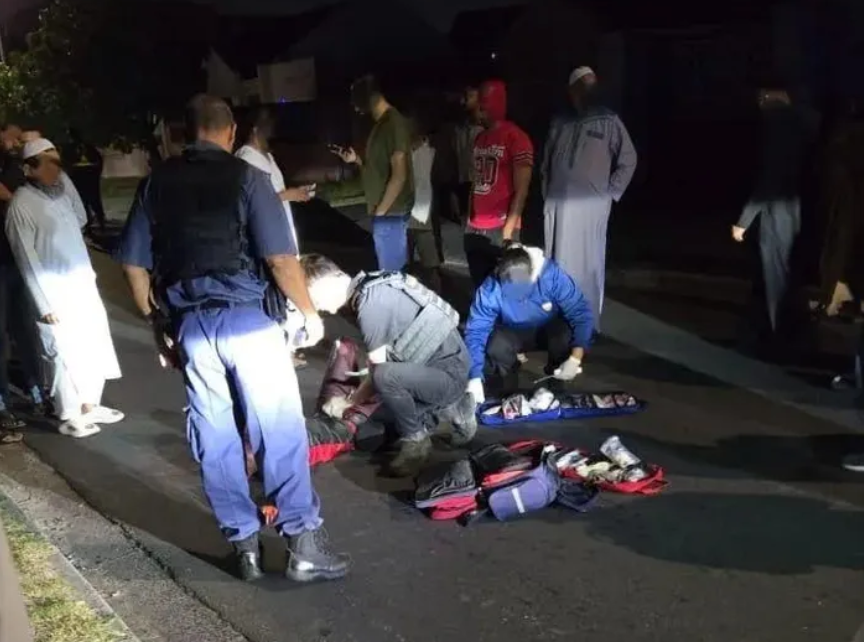
In the shadowy streets of Rylands, Athlone, an e-hailing driver's night took a terrifying turn when he was ambushed and shot by four gunmen, leaving him fighting for his life. This brutal attack, which unfolded on Saturday evening in Jeina Road, has once again thrust the dangers faced by ride-share workers into the spotlight, amid a worrying surge in similar incidents across South Africa.
The victim, a man in his 30s, was driving his white Toyota Aygo when the assailants struck around 10.45pm on 21 February 2026. According to police reports, the gunmen shot him in the face and chest before fleeing with his vehicle. He is now in a critical condition in hospital, battling injuries that highlight the deadly risks of this line of work. This incident is not isolated; it forms part of a broader pattern of violence targeting e-hailing drivers, who often operate in high-risk areas late at night.
Siyabonga Hlabisa, chairperson of the Western Cape E-hailing Association (WCEA), has voiced the growing frustration among drivers.
“It is a serious challenge as we are being informed that drivers are being killed and attacked, and we are being let down by the SAPS, as not many arrests are being made,” he said. Hlabisa pointed out that e-hailing drivers are seen as easy targets for criminals, with stolen phones and vehicles quickly sold in local communities. He emphasised the need for better safety measures, advocating for dash cameras as a crucial tool. “The most important system to use is a dash camera, as we have seen the incident that happened in Pretoria was caught on a dash camera,” he noted, referring to the recent murder of Nigerian national Isaac Satlat in Pretoria less than two weeks ago.
That Pretoria case, where Satlat was killed in what appeared to be a targeted attack, underscores the escalating threats in the industry. Investigations into Satlat's death revealed footage from a dash camera that captured the assailants, yet it did little to prevent further violence. Hlabisa's calls for reform extend to e-hailing companies themselves. He added that the WCEA has appealed for engagements with these firms to implement safety protocols, such as displaying a customer's photo on the app when a ride is accepted. “We need processes to be put in place so that we can ensure that there is evidence when these incidents occur,” he said, stressing the importance of preventing scams and identifying potential threats.
Police spokesperson Constable Ndakhe Gwala confirmed the details of the Athlone attack, stating: “Athlone police are investigating a case of attempted murder and hijacking following an incident that occurred at Jeina Road, Rylands, on Saturday, 21 February 2026 at about 10.45pm. A male victim in his 30s was shot on his face and chest by four unknown men who made off with his white Toyota Aygo. He is currently in a critical condition in the hospital. The circumstances surrounding the incident are under investigation.”
This assault comes as e-hailing drivers across South Africa face increasing dangers, with related incidents highlighting systemic issues. For instance, in October 2023, a Bolt driver in Johannesburg was hijacked at gunpoint in the Soweto area, an event that led to widespread calls for better security from drivers' associations. Similarly, in early 2024, Cape Town saw a spate of attacks, including one in Mitchells Plain where a driver was robbed and assaulted, mirroring the Rylands incident. These cases point to a national problem, as Statistics South Africa reported a 12% rise in hijackings in 2025, with many victims being gig economy workers like e-hailing drivers.
The vulnerability of these drivers is compounded by long working hours and the nature of their jobs, which often involve picking up strangers in poorly lit or isolated areas. Research from the Institute for Security Studies (ISS) in 2024 highlighted that e-hailing platforms have become hotspots for crime, with drivers in Gauteng and the Western Cape being particularly at risk. The report noted that inadequate police response times and low arrest rates exacerbate the problem, a sentiment echoed by Hlabisa. He said: “Drivers are an easy target for criminals, and the phones that get stolen are being sold to communities.”
In response to these challenges, organisations like the WCEA are pushing for more comprehensive solutions. Hlabisa's appeal for facial recognition features in apps could help, but it requires collaboration from companies like Uber and Bolt, who have faced criticism for not doing enough. In 2023, Bolt announced plans to introduce enhanced safety features, such as emergency buttons and real-time sharing of trip details, yet implementation has been slow, leaving drivers exposed.
The South African Police Service (SAPS) has urged the public to assist in such cases. Gwala added: “Anyone with information about this incident is kindly requested to contact Crime Stop on 08600 10111.” As these attacks continue, the e-hailing industry must address the human cost, with drivers like the one in Athlone paying the price. This story is a stark reminder of the urgent need for better protection, stronger policing, and community awareness to curb the violence that plagues this vital sector.