

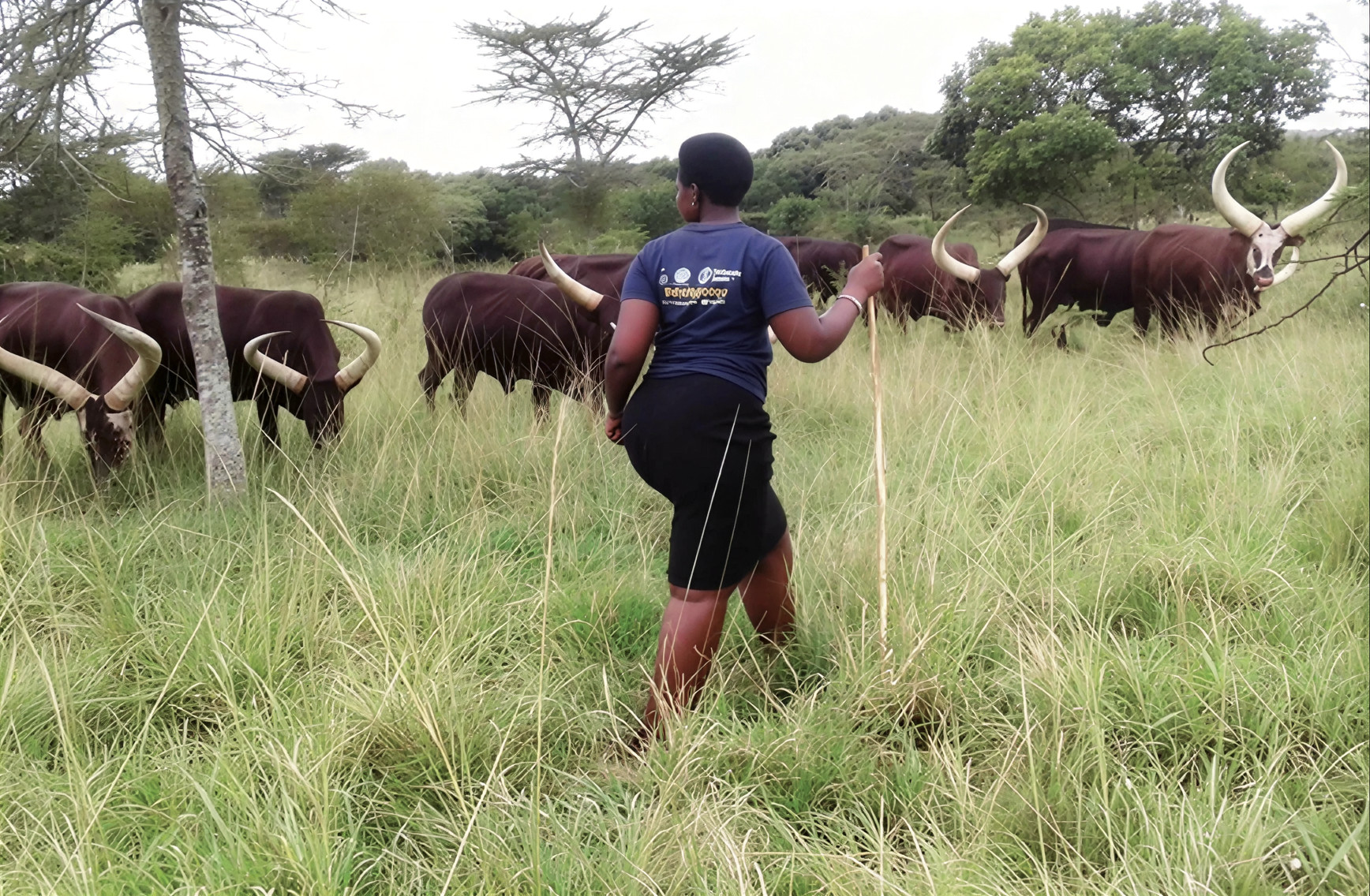
KwaZulu-Natal, a province renowned for its lush landscapes and vibrant agricultural sector, finds itself in the throes of an unprecedented crisis as the highly contagious Foot-and-Mouth Disease (FMD) continues its relentless spread.
With over 17,000 farms already devastated, the situation has reached critical levels, prompting urgent calls for intervention and raising serious concerns about food security, economic stability, and the livelihoods of thousands of farming communities. The provincial government has openly admitted to a severe vaccine shortage, a critical factor hampering efforts to contain the outbreak and protect the province’s vital livestock industry.
The FMD outbreak is not merely an agricultural problem; it is a socio-economic catastrophe unfolding in real-time. Farmers, many of whom are small-scale producers, are facing ruin as their cattle, sheep, and goats are either culled or succumb to the disease. The emotional and financial toll on these communities is immense, with many describing a sense of helplessness as they watch their life’s work disappear. The disease, characterised by fever and blister-like lesions on the tongue and lips, in the mouth, on the teats, and between the hooves, is highly transmissible and can spread rapidly through animal populations, making containment incredibly challenging without adequate vaccination.
The KwaZulu-Natal provincial government has acknowledged the severity of the crisis, with officials stating that the lack of sufficient vaccine stock is a major impediment to controlling the spread. This shortage has led to widespread frustration among farmers and agricultural organisations, who argue that proactive measures and a robust vaccine strategy should have been in place to prevent such a widespread outbreak. The delay in securing and distributing vaccines has allowed the disease to gain a firm foothold, turning KZN into the epicentre of the current FMD crisis in South Africa
.
In a glimmer of hope, the Agricultural Research Council (ARC) has announced plans to ramp up local vaccine production. From March 2026, the ARC aims to supply 20,000 vaccine doses per week, with a significant increase to 200,000 doses per week from 2027
. While this news is welcomed, many fear it may be too little, too late for the thousands of farmers who have already suffered catastrophic losses. The time lag between the onset of the outbreak and the availability of sufficient vaccine stock highlights systemic issues within the country’s animal health management and emergency response protocols.
The economic ramifications of the FMD outbreak are far-reaching. The livestock industry is a significant contributor to South Africa’s agricultural GDP, and the disruption caused by the disease will undoubtedly impact meat and dairy prices, potentially leading to increased food inflation. Furthermore, export markets for South African livestock and animal products are likely to be affected, with trading partners imposing restrictions to prevent the importation of the disease. This could deal a severe blow to the country’s balance of trade and further exacerbate economic pressures.
Beyond the immediate economic impact, there are significant concerns about the long-term recovery of the affected farming communities. Rebuilding herds and restoring livelihoods will require substantial financial assistance, technical support, and a sustained effort from both government and the private sector. The psychological impact on farmers, many of whom have invested generations into their land and livestock, cannot be underestimated. The crisis underscores the urgent need for comprehensive disaster relief and recovery programmes to support those most affected.
This FMD outbreak also brings into sharp focus the broader challenges facing South Africa’s agricultural sector, including climate change, biosecurity threats, and the need for sustainable farming practices. Experts are calling for a national review of animal disease surveillance and response mechanisms to prevent future outbreaks of this magnitude. The incident serves as a stark reminder that the health of the agricultural sector is intrinsically linked to the overall well-being and prosperity of the nation.
As KwaZulu-Natal battles this devastating disease, the resilience of its farming communities will be tested to its limits. The coming months will be crucial in determining the effectiveness of the containment strategies and the pace of recovery. For the thousands of farmers who have lost everything, the promise of future vaccine production offers a glimmer of hope, but the scars of this crisis will undoubtedly remain for years to come. The nation watches, hoping for a swift resolution and a renewed commitment to protecting its vital agricultural heritage.