

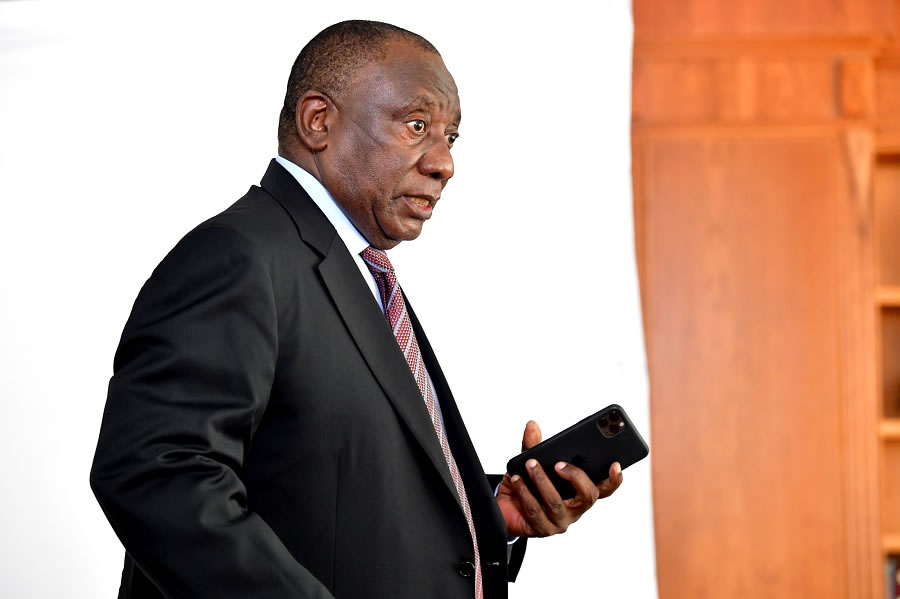
A clandestine telephone conversation between South African President Cyril Ramaphosa and Russian President Vladimir Putin has brought to light a deeply concerning and previously undisclosed crisis: the plight of 17 South African citizens reportedly recruited to fight alongside Russian forces in the ongoing conflict in Ukraine.
This urgent diplomatic engagement, which took place earlier this week, has ignited a firestorm of questions regarding the circumstances of their recruitment, the legality of their involvement, and the desperate efforts now underway to secure their safe return to home soil.
The revelation emerged as families of these 17 individuals, consumed by anxiety and fear for their loved ones, began to speak out, pleading for governmental intervention. Their pleas appear to have reached the highest echelons of power, culminating in the direct appeal from President Ramaphosa to his Russian counterpart. The official readout from the Presidency confirmed that both leaders pledged their support to the process of repatriating these South Africans, a move that underscores the gravity and sensitivity of the situation .
The involvement of South African nationals in foreign conflicts is a complex issue, fraught with legal and ethical dilemmas. While the specifics of how these individuals were recruited remain murky, reports suggest they may have been enticed by promises of financial gain or ideological alignment. This situation is not entirely unprecedented; throughout history, individuals from various nations have participated in conflicts beyond their borders, often driven by a myriad of personal circumstances. However, the direct involvement of South African citizens in the Russia-Ukraine war places Pretoria in a delicate diplomatic position, given its stated stance of neutrality in the conflict.
President Ramaphosa’s call to President Putin was not solely focused on the repatriation efforts. The leaders also reportedly discussed broader peace initiatives aimed at de-escalating the conflict in Ukraine, alongside strengthening trade ties between South Africa and Russia .
This dual agenda highlights the intricate balance South Africa attempts to maintain in its foreign policy, navigating its relationships with both Western powers and traditional allies like Russia, particularly within the BRICS framework. The discussion on trade, while seemingly separate, is indicative of the economic considerations that often intertwine with diplomatic efforts, even in times of crisis.
The families of the 17 South Africans have expressed immense relief at the news of the presidential intervention, yet their anguish remains palpable. Many have spoken of their desperation, having exhausted all other avenues to locate and communicate with their loved ones.
Their stories paint a harrowing picture of young men, and potentially women, drawn into a conflict far from home, now facing uncertain futures. The repatriation process itself is expected to be challenging, involving intricate logistical and diplomatic coordination between multiple governments and international bodies. It will require careful negotiation to ensure the safe passage and legal processing of these individuals upon their return.
This incident also casts a spotlight on the potential for recruitment of South African citizens by various factions in global conflicts. It raises pertinent questions about the effectiveness of existing laws and regulations designed to prevent such involvement, and whether more robust measures are needed to protect vulnerable individuals from being drawn into dangerous foreign engagements. The South African government has previously warned its citizens against participating in foreign wars, citing legal repercussions under the Regulation of Foreign Military Assistance Act. However, the current situation suggests that these warnings may not be sufficient to deter all individuals.
The broader implications of this crisis extend beyond the immediate humanitarian concern. It could potentially strain South Africa’s international relations, particularly with Western nations that have been critical of its perceived alignment with Russia. The government’s handling of the repatriation process and its subsequent actions will be closely scrutinised by the international community. Domestically, the incident has sparked public debate about national sovereignty, the responsibilities of citizenship, and the government’s duty to protect its citizens abroad, even when their actions may be controversial.
As the diplomatic efforts unfold, the fate of the 17 South Africans remains a pressing concern.
Their story serves as a stark reminder of the human cost of global conflicts and the complex challenges faced by nations in protecting their citizens in an increasingly interconnected and volatile world. The coming weeks will undoubtedly reveal more about the circumstances of their recruitment and the success of the high-level interventions to bring them home. For now, the nation watches with bated breath, hoping for a safe resolution to this unfolding international drama.