

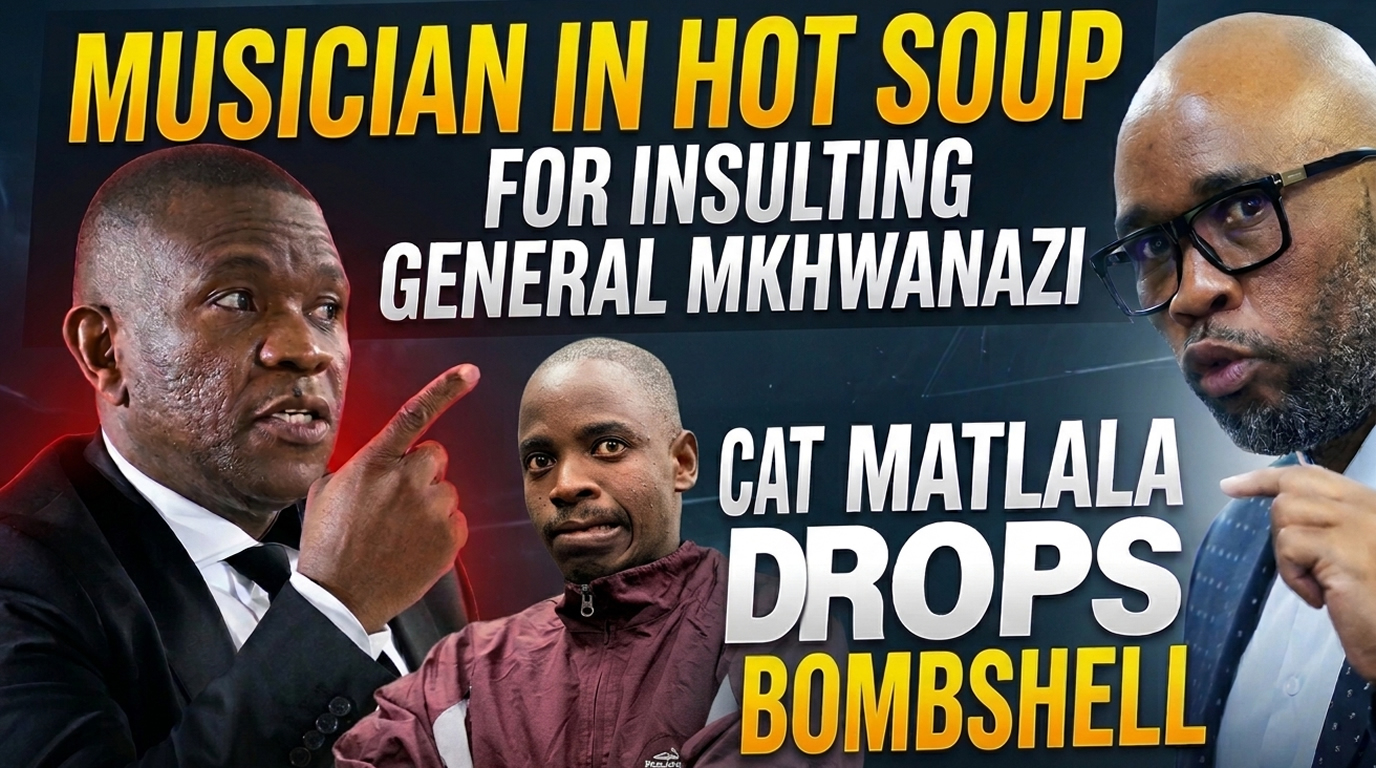
This report focuses on two stories raising questions about police accountability and alleged corruption in South Africa: a leaked conversation involving KwaZulu-Natal Police Commissioner Lieutenant-General Nhlanhla Mkhwanazi and musician Paul Madubanya, known as Tsaka, and Vusimuzi “Cat” Matlala’s return to the Madlanga Commission of Inquiry.
A recording obtained and reviewed by Sunday World reportedly captures a discussion between Mkhwanazi and Captain Phaladi Makola about Madubanya. The musician is facing a crimen injuria case after a Thobela FM presenter laid a complaint. The broader dispute includes allegations that Madubanya insulted and threatened Mkhwanazi and his wife. In the recording, Mkhwanazi is reported to question the musician’s mental state and discuss whether other complaints could be added to the case already before court. The conversation also refers to separate allegations involving Madubanya, including one concerning an unlicensed firearm.
The most controversial reported comment is that Madubanya needed to be “taught a lesson.” This has prompted questions about whether Mkhwanazi was acting as a private complainant or whether his senior position could have influenced the investigation. Police spokesperson Brigadier Athlenda Mathe has defended the commissioner’s right to report alleged criminal conduct, saying Mkhwanazi and his wife were targeted. Police say the comment should be understood in the context of an ongoing investigation and was not an instruction to unlawfully arrest, intimidate or victimise the musician.
Makola’s role is reportedly being examined by the Limpopo office of the South African Police Service. He has denied discussing the Madubanya case with Mkhwanazi, despite the recording being reported as a conversation between them. The issue has also drawn attention to TikToker Nkululeko Maxwell Makhanya, who was arrested after a social-media video allegedly insulted Mkhwanazi and police. Makhanya was granted bail with conditions restricting incitement and abuse directed at police and government employees. He later apologised, and his case is expected to return to court in January. Together, these developments have renewed debate about the limits of criticism, alleged threats and police authority.
The second story concerns Matlala’s return to the Madlanga Commission, which is investigating alleged criminal infiltration, corruption and political interference in law enforcement. The inquiry resumed public hearings after weeks of closed proceedings and a seminar on preparing its final report. Matlala is expected to face questions about alleged links between criminal networks and senior police officials, including claims connected to a R228-million tender awarded to his company, Medicare24.
A central issue is a plea-and-sentence agreement that collapsed after Matlala withdrew. Before it fell apart, the Investigating Directorate Against Corruption intended to use information he had supplied in cases involving senior police officers. His affidavit reportedly referred to alleged corruption and payments involving former deputy police commissioner Lieutenant-General Shadrack Sibiya. Sibiya resigned in October while facing separate criminal charges. Matlala has previously declined to answer some questions about him, citing his right not to incriminate himself and concerns about information in the failed agreement.
The commission’s evidence leaders want access to affidavits and statements linked to the agreement. Matlala’s lawyers argue that the documents are protected, leaving the commission to consider whether those protections apply to its inquiry. A separate draft affidavit contains Matlala’s allegations that his former lawyer, advocate Bronwynne Forbay, coached him on how to answer questions before Parliament’s ad hoc committee. Forbay has rejected the claims as false and cited professional confidentiality and legal privilege. The Investigating Directorate has confirmed the agreement became null and void after Matlala withdrew, but has declined to comment on leaked documents. The commission must submit its final report to President Cyril Ramaphosa by 25 January 2027.