In a stunning development that further erodes public trust in law enforcement, suspended SAPS Organised Crime Unit member Sergeant Fannie Nkosi is set to face additional charges of defeating and obstructing the course of justice. The new allegations claim Nkosi, already behind bars, brazenly tampered with crucial evidence in police custody, including confiscated dagga. This latest twist in the saga of the 43-year-old sergeant paints a chilling picture of alleged corruption from within the very ranks tasked with upholding the law, raising urgent questions about accountability and the integrity of the justice system.
The Audacity of the Tampering Allegations
The fresh charges against Sergeant Nkosi stem from a shocking incident dating back to November 10, 2022. According to police spokesperson Brigadier Athlenda Mathe, Nkosi allegedly orchestrated a cunning scheme to interfere with a case involving dagga, unlicensed firearms, and explosives. He reportedly presented himself at the Thohoyandou police station, claiming to be sent by head office, to retrieve the original case docket. Months later, in an even more audacious move, he allegedly returned to Thohoyandou, this time identifying himself as a "colonel from head office," and proceeded to remove the confiscated dagga from police custody.
The deception was only uncovered when Nkosi eventually booked the exhibit at head office, where it was discovered that one of the exhibit bags containing the dagga had been tampered with. This alleged act of brazen manipulation, carried out by a serving officer, highlights a profound breach of trust and a blatant disregard for legal process.
A Mountain of Evidence: The April Raid
These new charges compound an already formidable list of accusations against Nkosi. His initial arrest on April 2, 2026, followed a dramatic search-and-seizure operation at his Pretoria North home. The raid, conducted by a task team investigating evidence before the Madlanga Commission, uncovered a veritable arsenal and a trove of incriminating items. Police officers found a stun grenade, firearms stored in contravention of the law, and nearly 500 rounds of live ammunition. Disturbingly, at least 86 of these rounds were identified as SAPS-issued ammunition that had not been returned after his suspension.
The search also yielded SAPS equipment, including handcuffs and vests, and, most alarmingly, multiple police dockets linked to serious and violent crimes. These dockets pertained to high-profile cases such as cash-in-transit heists and armed robberies, with some even marked as "closed." The discovery of R52,700 in cash hidden under a mattress and inside a drawer further fuelled suspicions of illicit activities.
From Madlanga Commission to Magistrate’s Court
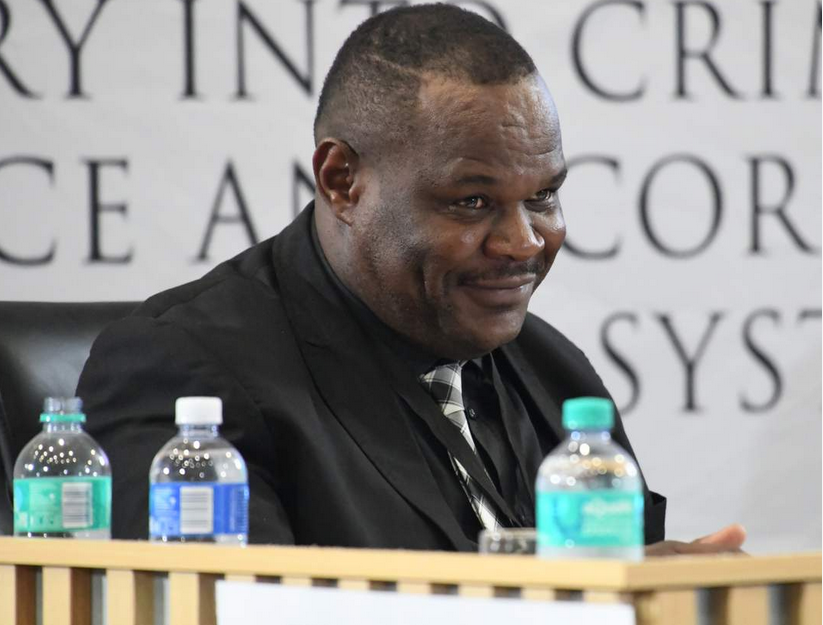
Sergeant Nkosi's name first gained public prominence through his testimony before the Madlanga Commission, an inquiry often associated with investigations into corruption and organised crime. The raid on his home was a direct result of an escalating probe linked to his testimony and alleged underworld connections.
The implications of a police officer possessing dockets for serious crimes, especially those that were supposedly closed, are deeply troubling. It suggests a potential network of corruption that could undermine countless investigations and compromise justice. In April, Magistrate Thandi Theledi denied Nkosi bail, ruling that his release would undermine the interests of justice. This decision underscored the seriousness of the charges and the perceived risk he posed to ongoing investigations. His continued incarceration means he will be brought from custody to face these additional charges, further extending his legal woes.
The Betrayal of Trust: A System Under Scrutiny
The case of Sergeant Fannie Nkosi is more than just a story of an alleged rogue cop; it is a stark reflection of the challenges facing the South African Police Service in its fight against internal corruption. The alleged actions of an officer, entrusted with upholding the law, actively working to subvert it, represent a profound betrayal of public trust. It raises critical questions about vetting processes, oversight mechanisms, and the effectiveness of internal investigations within SAPS. As Nkosi prepares for his next court appearance, the public will be watching closely, hoping for a clear message that no one, regardless of their position, is above the law. This case serves as a powerful reminder of the constant vigilance required to safeguard the integrity of law enforcement and ensure that justice is served for all citizens.