South Africa is on edge as anti-immigration activists, spearheaded by figures like Nkosikhona Ndabandaba, popularly known as Phakelumthakathi, issue a chilling ultimatum: foreign nationals must leave the country by June 30. This self-imposed deadline, delivered with stark warnings of uncontrollable public action, has ignited a fierce debate, drawing sharp condemnation from the police and President Cyril Ramaphosa. The escalating tensions, fuelled by legitimate grievances over resources and jobs, are threatening to boil over into widespread unrest, forcing the nation to confront its complex relationship with immigration and the rule of law.
The Ultimatum: Leave Now or Face the Consequences
The core of the current crisis lies in a widely circulated video featuring Phakelumthakathi. In the footage, he confronts a man from the Democratic Republic of Congo, ordering him to vacate South Africa before the end of June. His message is unequivocal: "Don't listen to the government, don't listen to the police, don't listen to anyone. Just listen to us. We are saying this peacefully. Please go [back] to your country." He ominously adds, "30th June is the deadline. But it's not like you must leave on the 30th of June. Don't leave on the 30th of June. Leave now because the 30th of June, I can't control [what the] people of South Africa [will do]." This rhetoric, echoed by other groups like the "March and March" movement led by Jacinta Ngobese, calls for "self-deportation" and has been accompanied by violent protests where foreign-owned businesses and vehicles have been targeted.
Government and Police Draw a Line in the Sand
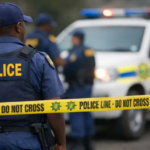
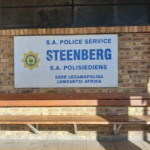
The South African Police Service (SAPS) has responded firmly, with national spokesperson Brigadier Athlenda Mathe stressing that no individual or group has the authority to instruct anyone to leave the country. She warned that SAPS would act decisively against any intimidation, public violence, incitement, or other criminal conduct. Immigration matters, Mathe reiterated, are governed by law and handled exclusively by authorised state institutions. President Cyril Ramaphosa, in his weekly newsletter, also weighed in, condemning "opportunists" who exploit genuine grievances under the guise of community activism. While acknowledging the strain undocumented migration places on public services and the labour market, Ramaphosa firmly stated that lawlessness and criminal acts directed at foreigners would not be tolerated, regardless of the perpetrators or victims. He highlighted that some activists are "assuming functions that only state officials are permitted to perform," such as checking identification and conducting searches.
A Deep-Seated Crisis: Grievances and Diplomacy
The anti-immigration sentiment is not new in South Africa, often rooted in socio-economic challenges. Locals complain of foreigners taking jobs and competing for scarce basic services like healthcare and education. This tension has previously manifested in xenophobic attacks, drawing international condemnation.
The recent marches in Durban, KuGompo City, Pretoria, and Johannesburg, where foreign-owned spaza shops and cars were set alight, underscore the volatile nature of these grievances. The issue has also spilled into diplomatic channels, with Ghana and Nigeria summoning South African high commissioners to account for the marches. President Ramaphosa has discussed the matter with his Mozambican and Zimbabwean counterparts, acknowledging the regional implications of the crisis. The Border Management Authority (BMA) reported intercepting approximately 450,000 people trying to enter South Africa illegally in the past financial year, further illustrating the scale of the challenge.
The Path Forward: Law, Order, and Compassion
President Ramaphosa has called for society to deal decisively and within the law with illegal immigration, warning that it "risks our social stability, governance and national security." He announced plans to hire up to 10,000 inspectors to ensure labour and immigration laws are adhered to. However, critics like S’bu Zikode, president of the shack dwellers’ movement Abahlali baseMjondolo, argue that the government has inadvertently legitimised this violence and called for unity among the poor and working class. As the June 30 deadline looms, the nation faces a critical juncture. The challenge lies in addressing legitimate concerns about immigration and resource allocation without succumbing to xenophobia and lawlessness. The government's ability to enforce its authority, protect all residents, and foster social cohesion will be severely tested in the coming weeks, as the country grapples with the potential fallout of this escalating anti-immigration rhetoric. The eyes of the continent, and indeed the world, will be watching to see how South Africa navigates this delicate and dangerous situation.