

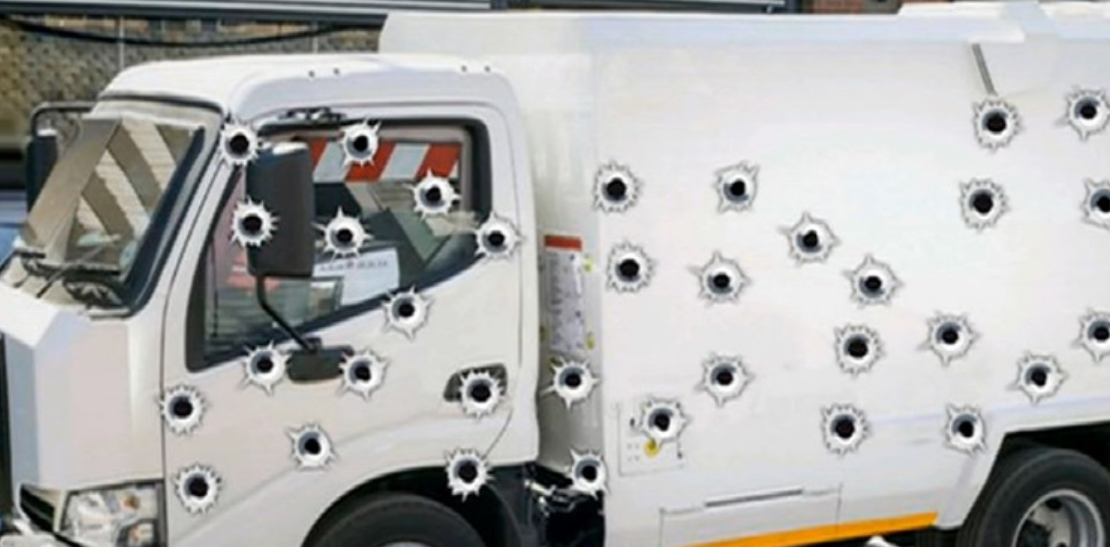
Bloemfontein, South Africa – A brazen cash-in-transit (CIT) robbery unfolded in broad daylight on April 4, 2026, near Hillside View in Bloemfontein, leaving a traffic officer critically wounded and once again exposing the ruthless efficiency of South Africa's organised crime syndicates. The incident, which saw armed suspects attack a security vehicle on the N8, has sent a chilling reminder of the escalating violence associated with CIT heists and the perilous risks faced by law enforcement officials who dare to confront these heavily armed criminals. The traffic officer, whose identity has not yet been released, was rushed to a local hospital, fighting for their life, as the perpetrators vanished with an undisclosed amount of money.
The N8, a vital artery connecting Bloemfontein to other parts of the Free State, became the scene of a chaotic and terrifying shootout. According to initial reports from SABC News and Inside Politic, the CIT vehicle was ambushed by a group of armed suspects. The modus operandi, characteristic of these highly organised gangs, involved overwhelming the security personnel with superior firepower and coordinated tactics. The attack was swift and brutal, designed to minimise resistance and maximise the chances of a successful getaway. The sheer audacity of the robbery, executed in a public space during daylight hours, underscores the growing confidence and impunity with which these criminal elements operate.
In a heroic, yet ultimately tragic, attempt to intervene, a traffic officer who was reportedly in the vicinity responded to the unfolding crime. Eyewitnesses described a scene of intense gunfire as the officer engaged the suspects. Despite their bravery, the officer was shot and sustained serious injuries. This incident highlights the immense personal sacrifice and danger faced by police and traffic officials who are often outgunned and outnumbered when confronting these well-resourced criminal gangs. The shooting of a law enforcement officer during a CIT heist is a stark reminder of the human cost of organised crime and the thin line between order and anarchy.
The aftermath of the robbery saw a massive police presence converge on the scene, with forensic teams meticulously combing the area for clues. Road closures and diversions caused significant traffic disruptions, as authorities launched a manhunt for the perpetrators. The suspects, however, managed to escape with an undisclosed sum of money, leaving behind a trail of shattered glass, spent cartridges, and a wounded officer. The incident has reignited calls for increased security measures for CIT vehicles and more robust strategies to combat these high-stakes robberies, which continue to plague South Africa.
Cash-in-transit heists have long been a significant challenge for South African law enforcement. These crimes are often characterised by extreme violence, the use of automatic weapons, and sophisticated planning. The gangs involved are typically well-organised, with networks that extend across provincial borders, making their apprehension and prosecution particularly difficult. The economic impact of these robberies is substantial, not only in terms of the stolen cash but also the damage to property, the psychological trauma inflicted on victims, and the broader erosion of public confidence in safety and security.
This latest incident in Bloemfontein adds to a growing list of violent crimes that continue to dominate headlines, contributing to a pervasive sense of insecurity among the populace. The public's frustration with the seemingly relentless wave of crime is palpable, leading to increased pressure on government and law enforcement agencies to demonstrate tangible results in the fight against organised crime. The shooting of a traffic officer, a symbol of authority and public service, is particularly galling for many, underscoring the direct threat criminals pose to the very fabric of society.
As the wounded traffic officer battles for recovery, the incident serves as a poignant reminder of the daily risks undertaken by those who dedicate their lives to protecting the public. It also forces a critical re-evaluation of current strategies to combat CIT heists. Are the penalties for these crimes sufficient? Are security companies adequately equipped and supported? And most importantly, what more can be done to protect the brave men and women in uniform who stand on the front lines against a ruthless criminal underworld? The answers to these questions will be crucial in determining whether South Africa can turn the tide against this violent scourge and restore a sense of safety to its roads and communities.