

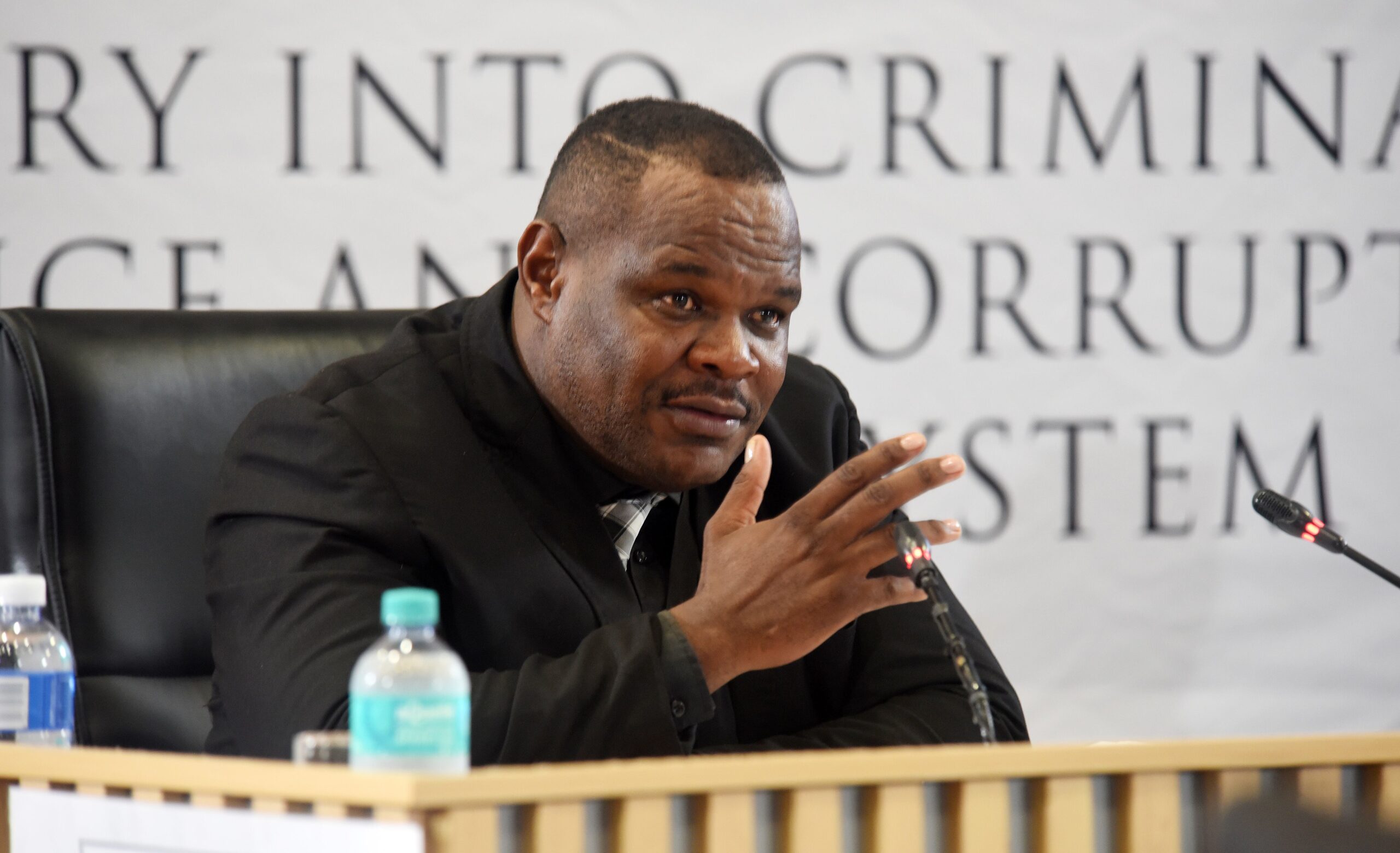
Pretoria, South Africa – In a dramatic turn of events that has sent ripples through South Africa's law enforcement agencies, police executed a second search and seizure warrant at the Pretoria North home of Sergeant Fannie Nkosi, a prominent officer within the Gauteng Organised Crime Unit. The raid, which took place on April 2, 2026, signals a significant escalation in an ongoing investigation linked to Nkosi's recent testimony before the Madlanga Commission. While the South African Police Service (SAPS) remains tight-lipped about the specifics, unconfirmed reports suggest a deepening probe into potential corruption and links to organised crime within the very structures designed to combat it. This development has ignited intense speculation, raising uncomfortable questions about the integrity of those entrusted with upholding the law.
Sergeant Nkosi's name first emerged in the public sphere during his appearance at the Madlanga Commission, a body tasked with investigating serious allegations of impropriety within state institutions. His testimony, the details of which are now under intense scrutiny, appears to have triggered a series of investigative actions. The initial raid on his residence was followed by this second, more forceful intervention, indicating that investigators are meticulously working to verify evidence, test contradictions in his statements, and assess the veracity of the information he provided. The execution of a search and seizure warrant implies that authorities believe there is crucial evidence to be found within his property, directly relevant to the commission's work or other criminal investigations.
The implications of a senior organised crime officer being subjected to such an intense investigation are profound. It suggests a potential breach of trust at a critical level within the police force, threatening to undermine public confidence in the fight against crime. Organised crime syndicates pose a significant threat to national security and economic stability, and the possibility of their infiltration into law enforcement ranks is a deeply troubling prospect. This raid underscores the complex and often dangerous nature of internal investigations, particularly when they involve individuals with intimate knowledge of criminal networks and police operations.
Sources close to the investigation, who requested anonymity due to the sensitive nature of the case, hinted that the probe extends beyond Nkosi's testimony. There are whispers of connections to broader networks of corruption that may involve other high-ranking officials. The Madlanga Commission, known for its rigorous approach, is reportedly working in conjunction with various anti-corruption units to piece together a complex puzzle. The objective is not merely to expose individual wrongdoing but to dismantle systemic corruption that may have allowed criminal enterprises to flourish unchecked.
The public reaction to the news has been a mixture of shock and a grim sense of familiarity. South Africans have grown accustomed to headlines detailing corruption within state institutions, but the targeting of an organised crime officer strikes a particularly jarring note. Many are expressing a desire for transparency and accountability, demanding that no one, regardless of their position, should be above the law. The sentiment is that if those meant to protect society are themselves compromised, then the very foundations of justice are at risk.
This case also highlights the immense pressure faced by anti-corruption bodies and commissions of inquiry. Their work is often met with resistance, not just from those directly implicated but also from powerful vested interests who benefit from the status quo. The courage and determination of investigators in pursuing such high-profile cases are crucial in demonstrating that the state is serious about tackling corruption, even when it involves its own.
The legal process following such a raid can be lengthy and complex. Any evidence seized will undergo forensic analysis, and if sufficient grounds are found, criminal charges could follow. Sergeant Nkosi, like any accused, is presumed innocent until proven guilty, and he will have the opportunity to present his defence. However, the very act of a second raid on his home, particularly given his role, casts a long shadow over his professional standing and raises serious questions that demand comprehensive answers.
As the investigation unfolds, the nation will be watching closely. The outcome of the Fannie Nkosi case could have far-reaching implications for the SAPS and the broader fight against organised crime and corruption in South Africa. It serves as a stark reminder that the battle for integrity is an ongoing one, and that vigilance is required at all levels of governance to ensure that justice is not only pursued but ultimately achieved, restoring faith in the institutions that are meant to serve and protect all citizens.