

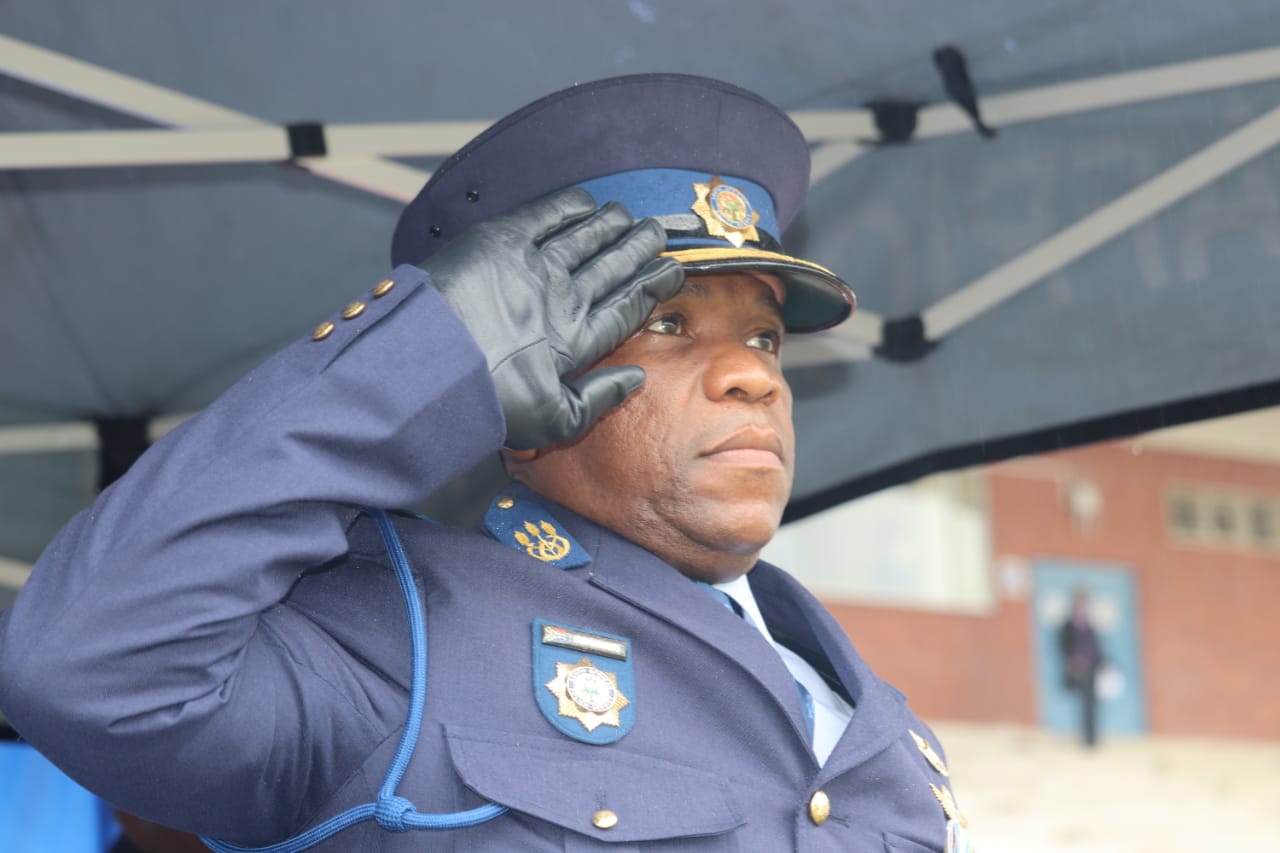
A KwaZulu‑Natal security company boss has been ordered to retract defamatory statements about the provincial police commissioner within 24 hours after losing an appeal in which a judge found his claims untrue and harmful.
Calvin Mathibeli, who runs a private security firm, must remove, delete and retract all publications that linked KwaZulu‑Natal police commissioner Lt‑Gen Nhlanhla Mkhwanazi to the security industry and the taxi underworld from social media platforms, websites and digital media within a day of the order being served, Judge Sanele Hlatshwayo ruled. Where Mathibeli repeated the statements on television or radio, the judge said he must publicly retract them on the same platforms.
Hlatshwayo’s judgment yesterday upholds an earlier February order that interdicts Mathibeli from publishing, repeating or disseminating allegations or implications that Mkhwanazi is corrupt, abuses police authority, issues instructions to kill, or participates in unlawful killings.
Last year Mkhwanazi publicly exposed what he described as a sophisticated crime syndicate that had allegedly infiltrated parts of law enforcement and the criminal justice system, and he pointed to political interference. Those allegations prompted the appointment of a commission of inquiry. Mathibeli, in media interviews and on social media, accused the commissioner of links to rivals in the security industry and to taxi bosses who, he claimed, were plotting to have him killed.
In an interview with Newzroom Afrika, Mathibeli said: “He [Mkhwanazi] does not work mainly for [the] private security sector, he is working with taxi people that have been targeting me. There are a lot of hits that have been put on myself. There was an assassination planned on May 15 2024 by the same people.” He also alleged that police raids on his home and offices were part of an assassination plot and claimed he fired back at officers he believed intended to kill him: “It was a well‑mobilised operation. These guys came there and they were pointing guns at my house. I got [a] call from my reliable source that informed me that there are police coming to assassinate me under the pretence that I failed to co‑operate. I shot back at the police … [as it] is their well‑known modus operandi.”
The court found these statements defamatory. Hlatshwayo said Mathibeli’s remarks on social platforms gave the impression that Mkhwanazi instructs police to kill people or that he conducts operations with the intention of killing. “In my view the applicant [Mkhwanazi] acted promptly by approaching the court to protect his rights. From the evidence presented these statements continue to be shared on various social media platforms, causing harm to the applicant’s reputation,” the judge wrote.
The ruling follows police raids last year and earlier this year on Mathibeli’s security firm offices and his home in KwaZulu‑Natal, during which firearms were confiscated for ballistic tests. Mathibeli accused law enforcement of targeting him to advance the agenda of his competitors — an allegation the court considered among several public claims he had made linking the commissioner to criminal actors.
Mathibeli’s appeal was dismissed. The court reiterated that where defamatory comments had been made on broadcast media, the retraction must be given on the same channels to reach the same audiences. The directive aims to halt further dissemination and to repair reputational harm.
The case sits against a wider backdrop of concern about criminal networks that allegedly penetrate legitimate business sectors and parts of state institutions. Mkhwanazi’s own public statements about a syndicate that had infiltrated policing and the justice system triggered the establishment of an inquiry to investigate the extent of the alleged problem and any political interference.
For Mkhwanazi, the court victory represents a formal rebuke of allegations that have linked him to unlawful conduct. For Mathibeli, the judgement imposes a strict, time‑bound obligation to remove and publicly retract his statements and to cease making similar allegations. Failure to comply with the judge’s order could expose Mathibeli to further legal consequences, including contempt of court proceedings.
The matter raises broader questions about how public figures — particularly senior law‑enforcement officers — are discussed in media and on social platforms. Courts must balance freedom of expression with protection from defamatory claims that can damage reputations and possibly undermine public trust in state institutions. Hlatshwayo’s ruling highlights that where allegations are made in the public domain without sufficient proof, the courts will act to restrain and correct them.
There has been no public statement in the judgment about whether any further disciplinary or criminal steps against Mathibeli will follow beyond the order to retract and delete the offending material. The judgment does, however, underscore the judiciary’s role in protecting individuals from harmful and unproven accusations.
As the 24‑hour deadline runs from service of the order, attention will now turn to whether Mathibeli complies promptly, and whether broadcasters and social platforms remove or suppress the content in line with the court’s directive. The outcome will determine whether the dispute moves on to contempt proceedings or whether the retractions succeed in stemming the spread of the allegations and restoring the commissioner’s public standing.