

South Africa on the Brink: Fuel Price Fury Threatens National Highways
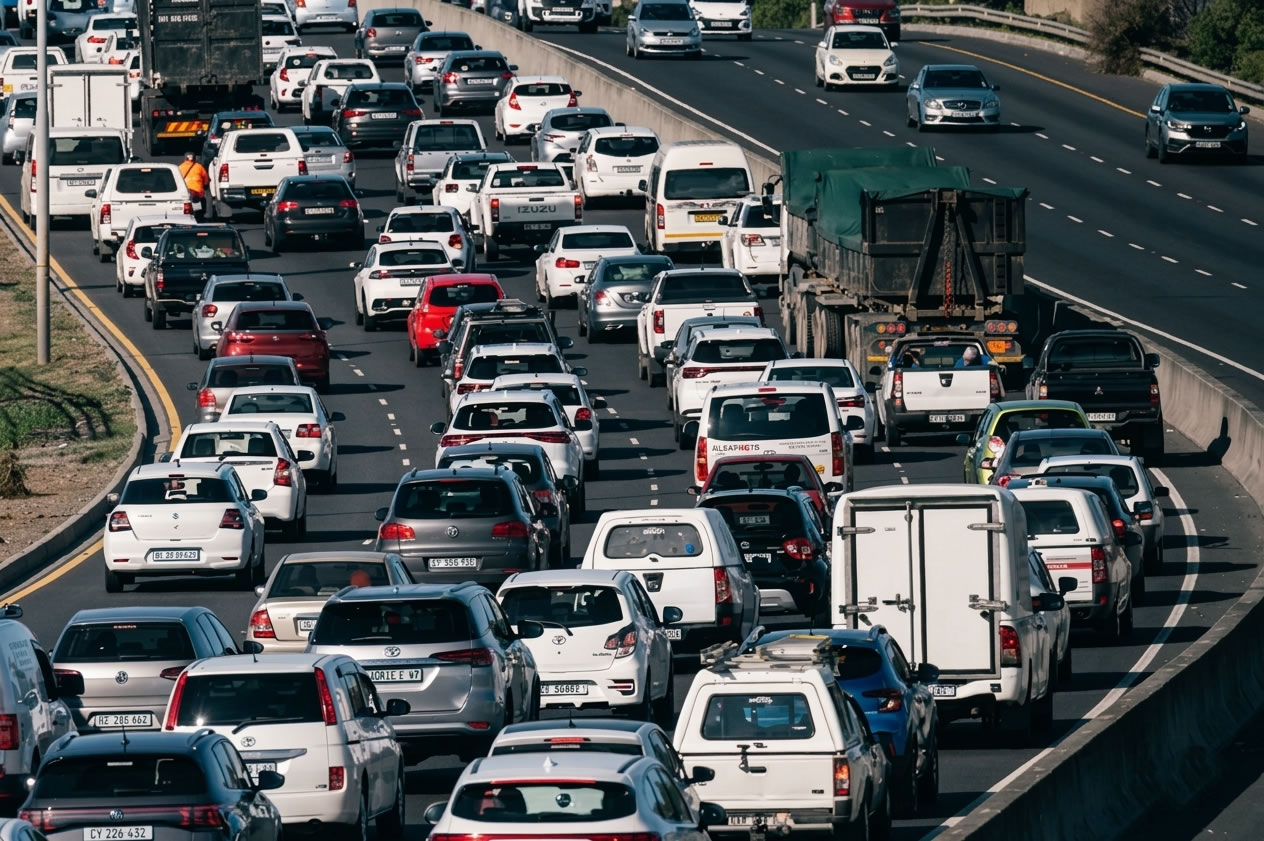
South Africa stands at a critical juncture as the Automobile Association (AA) issues a stark warning to the government: adjust fuel taxes or face unprecedented disruptions. The nation is bracing for what could be record-breaking increases in petrol and diesel prices, a situation exacerbated by global conflicts and a contentious history surrounding the country's strategic oil reserves. The AA has declared its readiness to mobilise key sectors, including towing and taxi associations, to block national highways, demanding immediate intervention to cushion the economic blow on ordinary citizens and businesses.
The looming fuel price hikes are not merely an inconvenience; they represent a significant threat to the already strained South African economy. Reports suggest that diesel prices could soar above R30 per litre, while petrol could see increases exceeding R5 per litre. This dramatic surge is primarily attributed to the ongoing conflict in the Middle East, which has severely disrupted global oil supplies and driven international prices upwards. However, the AA argues that domestic tax policies are compounding the crisis, pushing costs higher than necessary for South African motorists.
Bobby Ramagwede, CEO of the AA, articulated the organisation's concerns in an interview with IOL. He highlighted the critical role of South Africa's strategic oil reserves in mitigating such price shocks. "To the extent that we have those reserves, we’re not anticipating more than a RAND increase," Ramagwede stated, implying that robust reserves could buffer the impact of global volatility. He cautioned, however, that "should the reserves be low or unavailable, we could see higher increases, as our fuel price would then be more dependent on global oil prices and supply shocks." This statement casts a shadow of doubt over the current status and availability of these crucial national assets.
The mention of strategic oil reserves immediately rekindles memories of a deeply controversial episode in South African history – the 2016 secret sale of 10.3 million barrels of the country's strategic fuel stocks. This clandestine transaction, often referred to as "Oilgate," saw the reserves sold at a significantly undervalued price of approximately $28 to $29 per barrel, far below the prevailing market rates at the time.
The scandal implicated former Energy Minister Tina Joemat-Pettersson and raised serious questions about governance and national security. Although the High Court declared the sale invalid in 2020, the physical oil was long gone, leaving the state in a protracted legal battle to recover the lost value or the reserves themselves. The AA's current questioning of the reserves' availability underscores the lingering impact of this past misstep on the nation's energy security.
Beyond global oil prices and historical mismanagement, the AA points a critical finger at the government's tax policies as a major contributor to the impending fuel crisis. South African fuel prices are heavily burdened by various levies, including the General Fuel Levy and the Road Accident Fund (RAF) levy. These taxes, intended to fund public services and road accident compensation, significantly inflate the pump price. Ramagwede emphasised this point, stating, "Special circumstances call for special action. It’s the opportune time for the state to adjust the levies and taxes to ensure that they don’t create a shock to the system by introducing high fuel prices."
In a recent development, the National Treasury announced a temporary reprieve for motorists. From 1 April to 5 May 2026, the General Fuel Levy will be reduced by R3.00 per litre. While this temporary measure offers some immediate relief, it is juxtaposed with an increase in the Road Accident Fund (RAF) levy by 7 cents per litre, bringing it to R2.25. Additionally, the Carbon Fuel Levy is set to increase by 19 cents per litre for petrol and 23 cents per litre for diesel. Critics argue that these adjustments, particularly the increase in the RAF and Carbon levies, undermine the relief offered by the temporary reduction in the General Fuel Levy, leaving motorists still vulnerable to escalating costs.
The Democratic Alliance (DA) has been vocal in its criticism, advocating for a more substantial and permanent solution. The opposition party has called for a 50% cut to both the General Fuel Levy and the RAF levy, arguing that such a measure is necessary to provide meaningful and lasting relief to consumers. This political pressure highlights the growing public discontent over fuel prices and the perceived inadequacy of government responses.
The threat of national highway blockades by the AA is not an idle one. South Africa has a history of protests and disruptions linked to fuel costs and broader socio-economic grievances. In July 2022, truckers blocked the N4 highway leading to Mozambique, protesting against soaring fuel prices that were crippling their livelihoods. More broadly, the widespread civil unrest in July 2021, often referred to as the Zuma riots, demonstrated the fragility of supply chains and the potential for widespread disruption when public frustration boils over. The AA's plan to mobilise towing and taxi associations is particularly potent, as these sectors are not only major consumers of fuel but also critical components of the country's logistics and public transport infrastructure. A blockade by these groups could bring economic activity to a grinding halt.
"The AA is prepared to mobilise many of the larger consumers of fuel, being the towing association and the taxi association, to the extent that we are prepared to block national highways until the state is prepared to make the necessary changes to the tax component of the fuel price to ensure that there are no shocks to the system," Ramagwede declared, underscoring the seriousness of their intent. The implications of such action are profound. South Africa relies heavily on road transport, with over 80% of its freight moving by road. A significant increase in diesel prices, therefore, has a direct and immediate impact on the cost of goods, contributing to inflation and further eroding the purchasing power of households. From food on supermarket shelves to essential medical supplies, the ripple effect of fuel price hikes is felt across every sector of society.
The AA's demand for transparency regarding the strategic oil reserves is also a crucial element of their stance. "It will be quite telling to see what the state says about where we stand with regard to our reserves," Ramagwede noted. The lack of clear, verifiable information about these reserves fuels public mistrust and raises questions about the government's preparedness for future global energy shocks. If the reserves are indeed depleted or insufficient, South Africa's vulnerability to international oil price fluctuations is significantly heightened, making domestic tax adjustments even more critical as a compensatory mechanism.
As the deadline for the next fuel price adjustment approaches, the nation watches with bated breath. The government faces immense pressure to balance fiscal responsibilities with the urgent need to protect its citizens from an escalating cost of living crisis. The AA's ultimatum serves as a powerful reminder that public patience is wearing thin, and that inaction or insufficient measures could trigger widespread civil disobedience with severe economic consequences. The coming weeks will reveal whether the state is prepared to heed these warnings and implement the necessary changes to avert a national crisis.