

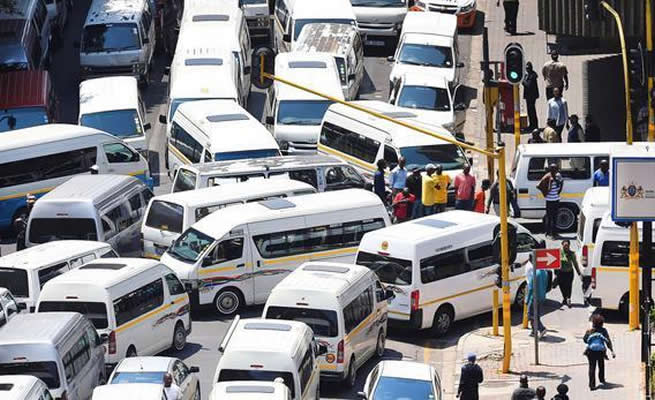
South African commuters are bracing for yet another blow to their pockets as a significant fuel price increase is set to take effect from Wednesday, April 1st. This impending hike, driven by the ongoing conflict in the Middle East, threatens to push transport costs to unprecedented levels, with taxi associations already planning fare adjustments and bus operators seeking urgent government intervention. The ripple effect is already being felt across various sectors, including air travel, highlighting a deepening economic strain on ordinary citizens.
Experts anticipate a staggering increase, with a litre of petrol expected to climb by as much as R5 and diesel by up to R10. This drastic surge in fuel expenses directly impacts the operational costs of public transport, forcing operators to consider passing these burdens onto an already struggling populace grappling with the high cost of living.
Taxi Industry Prepares for Fare Adjustments
The taxi industry, a lifeline for millions of South Africans, is at the forefront of these impending changes. The South African National Taxi Council (Santaco) has confirmed that fare hikes are on the horizon, citing the
necessity of such adjustments due to special circumstances. Rebecca Phala, spokesperson for Santaco, clarified the council's approach to these increases.
“Santaco is the mother body of over 1,200 associations, including short-distance and long-distance operators. When we determine an increase, we don’t only look at petrol; there are many factors, such as instalments and services,” she explained.
Phala further elaborated on the autonomy of individual associations in setting their fares, stating, “The exact percentage of any increase will be determined by the respective associations because it is their prerogative. They understand that if they increase by R10, it might push commuters away. They know the dynamics of commuters,” Phala added, underscoring the delicate balance between operational viability and commuter affordability.
Reports indicate that at least one taxi association in Gauteng has already implemented a R5 fare increase, with further adjustments anticipated following the official announcement of the new fuel prices. The Johannesburg-Vosloorus Taxi Association, which had already unveiled a revised fare structure earlier this month, indicated that prices are likely to see another upward revision after April 1st.
Jerome Kunene, spokesperson for the Johannesburg-Vosloorus Taxi Association, stated, “We haven’t discussed increasing the hike to match it [the fuel price increase] but if the increase does start to affect our ability to get petrol…there might have to be another increase to help us with costs.” This highlights the immediate and direct impact of fuel availability on their operations.
Bus Operators Seek Government Aid Amidst Uncertainty
Bus operators, a crucial component of the public transport network, find themselves in a precarious position. Unlike the taxi industry, they operate under different protocols, requiring extensive engagement with transport forums before any fare adjustments can be implemented. Terry Murugan, president of the Southern African Bus Operators Association (Saboa), shed light on their predicament.
Murugan explained, “Companies have their own negotiations with transport forums in the areas they operate in. It’s unlike the taxi industry, where associations can make a decision. At the moment, the focus is on how to engage with these forums and find a middle ground, understanding the plight of passengers and the rising costs affecting everyone. We are not yet sure how we want to implement that.”
While bus companies might be able to absorb the immediate impact for a month or two, Murugan confirmed that they have formally appealed to the government for assistance to cushion the blow. Olivia Maponya, treasurer-general of the SA National Small Bus Operators Council, echoed this sentiment, expressing shock at the suddenness of the hike despite receiving prior assurances from the government.
“This is challenging, and it’s not something we anticipated, given how quickly it happened,” Maponya stated. “It will be difficult, especially since most of our operators run smaller transport services with fixed rates. There’s no way we can go back to clients in the department of transport or the department of education in provinces and increase rates. So now we are caught between a rock and a hard place.” Her words paint a grim picture for small businesses.
Maponya further elaborated on the helplessness faced by small operators, noting that the fuel hike is entirely beyond their control. “We will try to ensure that, as a last resort, drivers do not have to use their own money. However, this is one of the risks we cannot control or fully mitigate. Our operators are not running large fleets; they don’t have reserves and live hand to mouth,” she explained, highlighting the precarious financial situation of many.
Government Scrambles for Solutions
Recognising the severe impact on citizens, President Cyril Ramaphosa has swiftly intervened. He has instructed the National Treasury and the Department of Mineral and Petroleum Resources to hold urgent discussions and formulate strategies to protect South Africans from the impending fuel price increases. The initial meeting between these critical government bodies was held on Monday evening, signalling the high priority given to this national concern.
Air Travel Also Affected
The repercussions of escalating fuel costs extend beyond road transport, reaching even the skies. Low-cost carrier FlySafair has already implemented a temporary fuel surcharge on its ticket prices. This decision comes in the wake of a staggering 70% increase in jet fuel prices at South African coastal airports within a mere week, underscoring the broad economic implications of the volatile global energy market.
As South Africa collectively prepares for these substantial price adjustments, the critical question remains: how will commuters, transport businesses, and the government collectively navigate this exceptionally challenging period? The forthcoming weeks are poised to severely test the resilience of the nation’s transport infrastructure and the financial endurance of its citizens, with many fearing a prolonged period of economic hardship.