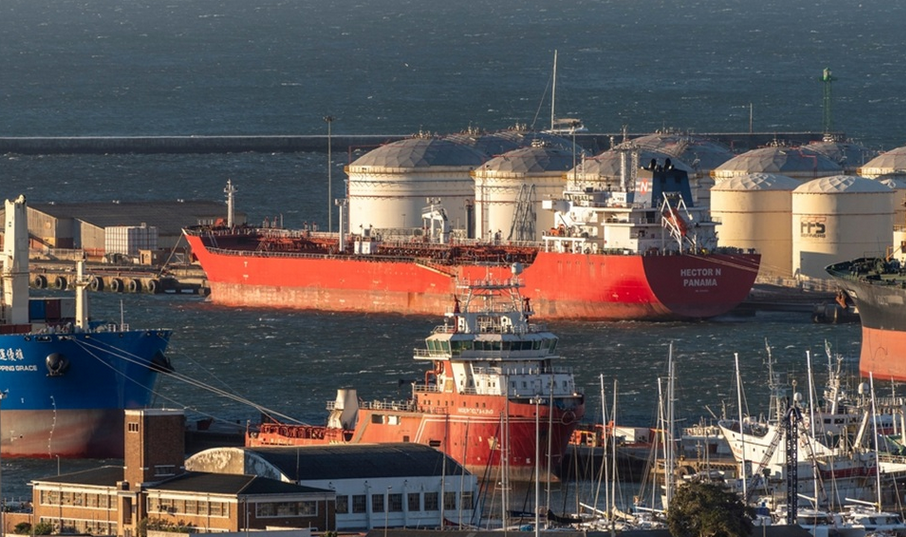
Cape Town, South Africa – In a significant victory for maritime security and environmental protection, four unauthorised Chinese fishing vessels have been intercepted and subsequently fined a hefty R400,000 for illegally entering South African waters. The swift action by the Department of Agriculture, Forestry and Fisheries (DAFF) and the South African Maritime Safety Authority (SAMSA) underscores the nation’s commitment to safeguarding its rich marine resources and enforcing its territorial sovereignty.
The four vessels, whose identities have not yet been fully disclosed, were detected operating without the necessary permits within South Africa’s Exclusive Economic Zone (EEZ). This area extends 200 nautical miles from the coastline and is where South Africa has sovereign rights for exploring and exploiting, conserving, and managing natural resources. Unauthorised fishing in these waters not only constitutes a breach of international and national law but also poses a severe threat to the sustainability of local fish stocks and the livelihoods of legitimate South African fishers.
Details emerging from the interception indicate a coordinated effort by South African authorities. The Fisheries Department, in conjunction with SAMSA, deployed patrol vessels and aerial surveillance to track and board the foreign ships. Upon inspection, it was confirmed that the vessels lacked the required documentation and were engaged in activities inconsistent with legal passage or fishing rights within the EEZ. The R400,000 fine levied against the vessels serves as a stern warning to other foreign fleets contemplating similar illicit ventures.
This incident is not an isolated one. South Africa, with its vast coastline and abundant marine life, has long been a target for illegal, unreported, and unregulated (IUU) fishing. IUU fishing is a global problem that depletes fish stocks, damages marine habitats, distorts markets, and undermines conservation efforts. It is estimated to cost the global economy billions of dollars annually and often involves organised criminal syndicates.
The interception of these Chinese vessels highlights the ongoing challenges faced by coastal nations in monitoring and protecting their marine territories. It also brings into focus the broader geopolitical dynamics of fishing rights and resource exploitation, particularly in regions rich in natural resources.
Developing nations, often lacking the sophisticated surveillance and enforcement capabilities of their wealthier counterparts, are particularly vulnerable to such incursions.
SAMSA and DAFF have reiterated their commitment to enhancing maritime surveillance and enforcement capabilities. This includes investing in new technologies, increasing patrol frequency, and fostering greater international cooperation to combat IUU fishing effectively. The successful interception of these vessels is a testament to the dedication of South African maritime agencies and their partners.
The financial penalty, while significant, is also intended to cover the costs associated with the interception and investigation, as well as to act as a deterrent. Beyond the immediate fines, there could be further legal ramifications, including the confiscation of catch and equipment, depending on the severity of the violations. The incident serves as a crucial reminder of the constant vigilance required to protect South Africa’s marine heritage and ensure the equitable and sustainable use of its ocean resources. The nation watches as authorities continue to crack down on those who seek to exploit its natural wealth illegally.