Taxi Peace Pact in Phoenix: Can Rivals Really Co‑Exist?
For years, Phoenix in KwaZulu‑Natal has been a flashpoint in South Africa’s simmering transport turf wars. Traditional taxi operators and e‑hailing drivers have clashed repeatedly, often leaving commuters caught in the middle. Last weekend, tensions boiled over once again when an e‑hailing driver was allegedly assaulted and his vehicle held for ransom after dropping off a passenger at Phoenix Plaza. The incident shocked residents and reignited fears of violence spiralling out of control.
Yet, in a surprising turn, the Phoenix Taxi Association and the KwaZulu‑Natal E‑Hailing Council have now agreed to a peace pact. Brokered by the provincial Department of Transport, the deal promises cooperation, designated pick‑up points, and joint enforcement against illegal operators. Provincial MEC for Transport, Sipho Duma, hailed the agreement as “ground‑breaking,” noting that it was reached after an emergency meeting convened to ease tensions.
A History of Clashes
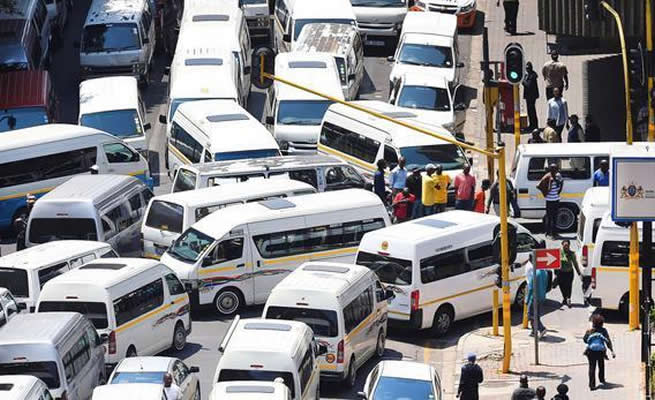
Phoenix has long been a contested space. Taxi associations, with decades of dominance, have viewed e‑hailing services like Uber and Bolt as unwelcome competition. E‑hailing drivers, on the other hand, argue they provide safer, more transparent services. The rivalry has often turned violent, with commuters reporting intimidation, blocked access to shopping centres, and even physical assaults.
The assault of Bolt driver Sphelele Gumede last Saturday was emblematic of these tensions. Gumede was allegedly attacked after dropping off a passenger, and his car was seized. Police intervention prevented further escalation, but the incident underscored the fragile relationship between the two groups.
What Sparked the Peace Deal
The Department of Transport stepped in swiftly, convening leaders from both sides. Officials emphasised that continued violence would not only endanger lives but also undermine the credibility of public transport in the province. The agreement reached includes:
- Designated pick‑up and drop‑off points to reduce territorial disputes.
- Regular meetings between taxi and e‑hailing representatives to address grievances.
- Joint enforcement against illegal operators who exploit commuters.
Duma praised the willingness of both parties to compromise, saying: “We cannot allow our transport system to be defined by violence. This pact is about restoring dignity and safety for commuters.”
Can Rivals Truly Co‑Exist?
While the peace pact is encouraging, scepticism remains. Taxi associations have historically resisted sharing space, and e‑hailing drivers fear promises may not translate into reality. Commuters, too, are wary. Many recall past agreements that collapsed under pressure.
Transport analysts suggest that success will depend on enforcement. Without consistent monitoring, designated pick‑up points may become flashpoints themselves. Moreover, the economic rivalry remains unresolved: taxis rely on daily cash fares, while e‑hailing apps operate on digital platforms, often undercutting traditional pricing.
Voices from the Ground
Commuters in Phoenix expressed cautious optimism. One resident, Thandi Mkhize, said: “If they can stop fighting, it will be good for us. We just want to get to work safely.” Another commuter, however, noted: “We’ve heard promises before. Let’s see if they keep them this time.”
E‑hailing drivers welcomed the pact but stressed the need for accountability. “We want peace, but we also want fairness,” said one driver outside Phoenix Plaza. “If taxis respect the agreement, we will too.”
The Road Ahead
The peace pact marks a significant step, but it is only the beginning. For commuters, the real test will be whether they can travel without fear of harassment or violence. For operators, it will mean adjusting to a shared space and recognising that competition can co‑exist with cooperation.
Phoenix now stands as a test case for the rest of KwaZulu‑Natal. If the pact holds, it could serve as a model for other regions grappling with similar tensions. If it fails, it risks deepening mistrust and reigniting violence.
For now, the people of Phoenix wait, hopeful yet cautious, watching whether rivals can truly co‑exist in the name of safer, fairer transport.