

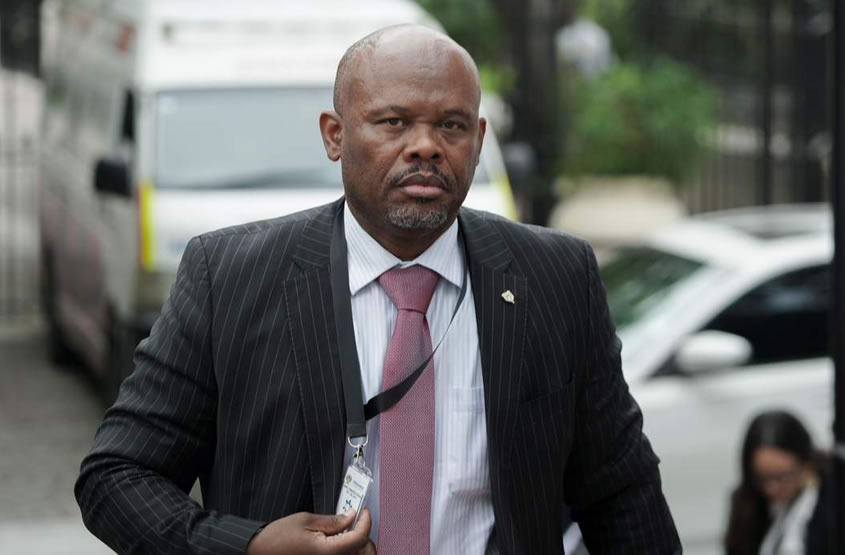
In a dramatic turn of events that has gripped the nation, suspended Deputy Police Commissioner for Crime Detection, Shadrack Sibiya, has taken the stand at the Madlanga Commission, facing a barrage of questions regarding his alleged links to powerful criminal cartels and a contentious fallout over the high-profile AKA murder investigation. The proceedings have cast a harsh spotlight on the integrity of South Africa's criminal justice system, raising serious concerns about its vulnerability to organised crime.
Sibiya, a figure once considered a stalwart in the fight against crime, found himself defending his reputation against claims that he was intimately connected with what has been dubbed the "Big Five Cartel." During his testimony, Sibiya vehemently denied the existence of such a syndicate, stating unequivocally, "The 'Big Five Cartel' does not exist." This assertion, however, stands in stark contrast to earlier revelations made at the commission.
National Commissioner Fannie Masemola previously testified, bringing to light a whistleblower's warning about Sibiya's close and potentially compromising relationship with a figure identified as "Vusimusi 'Cat' Matlala." The implication of these allegations is profound, suggesting a deep-seated infiltration of criminal elements into the very fabric of law enforcement. The public watches with bated breath as the commission attempts to unravel these complex threads, determining the extent to which powerful individuals may have compromised the pursuit of justice.
The controversy surrounding Sibiya extends further, touching upon the investigation into the murder of popular rapper Kiernan Forbes, widely known as AKA. Reports indicate a significant fallout between Sibiya and KwaZulu-Natal Police Commissioner Nhlanhla Mkhwanazi concerning the handling of this sensitive case. The details of this disagreement, though not fully disclosed, hint at internal strife and potential interference that could have hampered the investigation into one of the country's most talked-about celebrity deaths. The public's desire for answers in the AKA case remains strong, and any suggestion of impropriety within the investigative ranks is met with widespread dismay.
The Madlanga Commission's mandate is to investigate allegations of corruption and impropriety within various state institutions. Sibiya's testimony is a critical component of these proceedings, as it delves into the murky waters where law enforcement and criminal enterprises allegedly intersect. The outcome of this commission could have far-reaching implications for public trust in the police service and could lead to significant reforms aimed at safeguarding the justice system from external influence.
Legal experts and political commentators have weighed in on the unfolding drama, with many expressing concern over the potential implications for South Africa's democratic institutions. The notion that high-ranking police officials could be entangled with criminal syndicates undermines the very foundation of law and order. The commission's ability to thoroughly investigate these claims and deliver credible findings is paramount to restoring faith in the system.
Furthermore, the focus on the AKA murder investigation highlights the broader challenges faced by law enforcement in tackling complex criminal cases, especially those involving prominent figures. The pressure to deliver results in such cases is immense, and any perceived missteps or internal conflicts can quickly erode public confidence. The commission's exploration of the alleged fallout between Sibiya and Mkhwanazi is therefore not just about individual conduct but also about the systemic issues that may impede effective policing.
The coming days and weeks are expected to bring further revelations as the Madlanga Commission continues its work. The nation remains captivated by the proceedings, eager for transparency and accountability. The hope is that through this rigorous inquiry, the truth will emerge, and measures will be put in place to prevent any future compromise of the institutions tasked with upholding justice and maintaining peace in South Africa.