

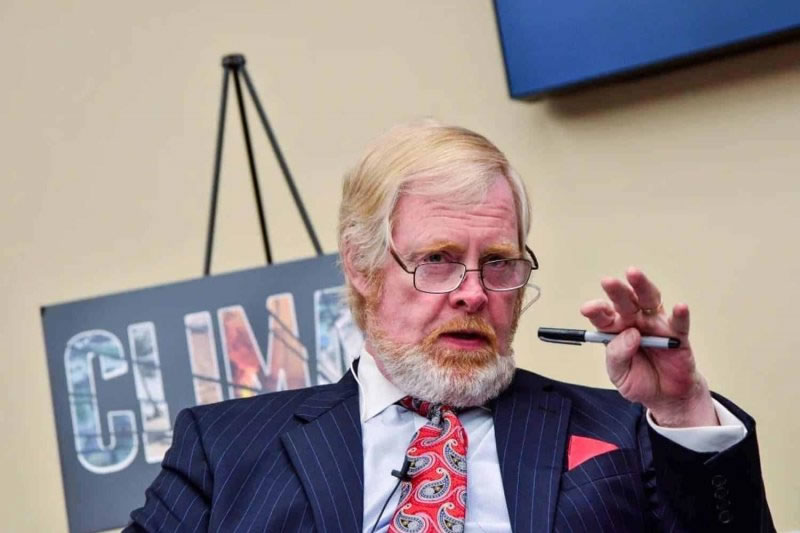
The arrival of Leo Brent Bozell III, the new United States Ambassador to South Africa, has ignited a diplomatic firestorm, casting a long shadow over already strained relations between the two nations. Bozell, a prominent hardline conservative activist and a direct appointee of former President Donald Trump, steps into his role at a particularly fraught moment, with his controversial background and the current geopolitical landscape setting the stage for a potentially turbulent tenure. His presence in Pretoria is seen by many as a critical test for the future of US-South Africa ties.
Bozell’s appointment itself was met with considerable scrutiny, given his history as a vocal conservative commentator and the founder of the Media Research Center, an organisation known for its critical stance on liberal media. More notably, his past includes actively opposing US engagement with South Africa during the apartheid era in the 1980s. This historical context adds a layer of complexity to his current mission, raising questions about his ability to foster constructive dialogue and bridge existing divides.
The diplomatic tensions between Washington and Pretoria have been escalating for some time, driven by a confluence of factors. South Africa’s perceived alignment with Russia, China, and Iran, particularly evidenced by its participation in joint naval drills, has been a significant point of contention for the US. These alignments are viewed by some in Washington as undermining Western efforts to isolate Russia and counter Chinese influence on the continent. The recent International Court of Justice (ICJ) case initiated by South Africa against Israel, accusing it of genocide in Gaza, has further complicated matters, placing Pretoria at odds with key Western allies, including the United States.
Bozell’s arrival, therefore, is not merely a routine diplomatic posting; it is a strategic move by the US to navigate these complex geopolitical currents. His conservative credentials suggest a potential for a more assertive and less conciliatory approach from the US side, which could either exacerbate or, in a more optimistic scenario, clarify the terms of engagement between the two countries. The challenge for Ambassador Bozell will be to represent US interests effectively while attempting to understand and respect South Africa’s independent foreign policy stance, which often prioritises its relationships within the BRICS bloc and the Global South.
Currently, Ambassador Bozell is awaiting the official credential ceremony with President Cyril Ramaphosa. This formal presentation of credentials is a crucial step in establishing his diplomatic authority and will be closely watched for any signals regarding the tone and direction of future bilateral relations. The ceremony itself, typically a matter of protocol, takes on added significance in the current climate, serving as a symbolic moment that could either ease or heighten existing anxieties.
Analysts suggest that the relationship could continue to deteriorate, leading to reduced trade, limited diplomatic engagement, and a general cooling of ties. Conversely, some hope that direct engagement, even with a hardline ambassador, could lead to a clearer understanding of each nation’s positions and potentially pave the way for a more pragmatic working relationship. The economic implications, particularly concerning South Africa’s access to the African Growth and Opportunity Act (AGOA), remain a critical leverage point for the US.
The coming months will be pivotal in determining the trajectory of US-South Africa relations. Ambassador Bozell’s tenure will undoubtedly be scrutinised, not just for his diplomatic prowess but also for his ability to navigate the intricate web of historical grievances, ideological differences, and contemporary geopolitical pressures. The world watches to see if diplomacy can prevail in an era of increasing global fragmentation and ideological divides.