

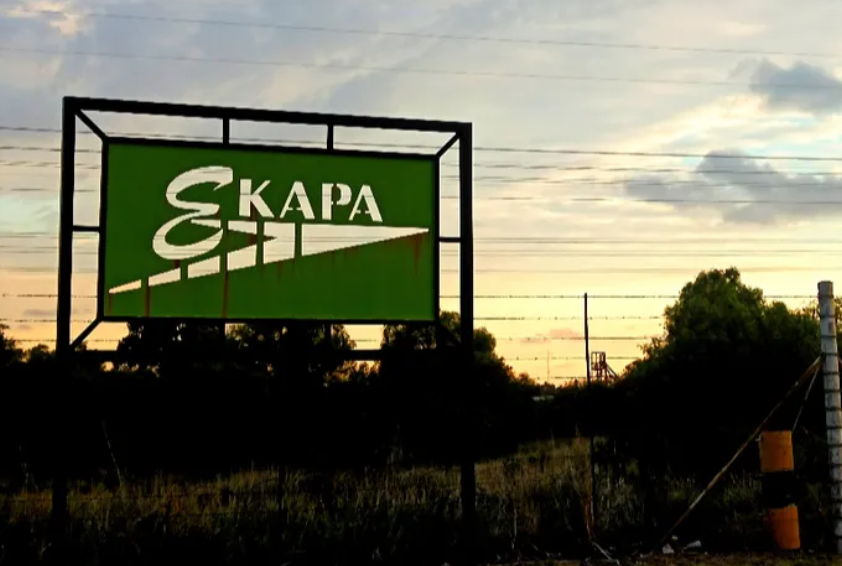
A catastrophic mudslide at the Ekapa diamond mine in Kimberley has left five mineworkers trapped over 800 metres underground, sparking a desperate search and rescue operation that has gripped the nation. The incident, which occurred deep within the mine, has cut off communication with the trapped individuals, raising fears for their safety and highlighting the inherent dangers of deep-level mining. As rescue teams battle against challenging conditions, the hopes of families and colleagues hang precariously in the balance.
The mudslide, believed to have been triggered by unstable ground conditions, engulfed a section of the mine, isolating the five workers. Details surrounding the exact cause are still emerging, but preliminary reports suggest a sudden and massive ingress of mud and rock, making the rescue efforts incredibly complex and hazardous. Mine management, in collaboration with emergency services, has mobilised all available resources to reach the trapped miners, but the sheer depth and instability of the affected area present formidable obstacles.
Communication with the five mineworkers was lost shortly after the incident, intensifying the anxiety of those above ground. This lack of contact means that rescue teams are working with limited information about the condition of the trapped individuals or their precise location. Every minute counts in such situations, and the urgency of the operation is palpable, with specialists from various fields being brought in to assist in the delicate and dangerous task of clearing debris and stabilising the mine shaft.
The incident at Ekapa Mine serves as a grim reminder of the constant risks faced by mineworkers in South Africa, a country with a rich but often tragic history of mining accidents. Despite advancements in safety protocols and technology, the unpredictable nature of underground operations means that such disasters can still occur, often with devastating consequences. The mining industry is under constant scrutiny to ensure the highest safety standards are maintained, and this latest incident will undoubtedly reignite calls for even more stringent measures.
This tragedy comes shortly after another significant mining incident where Sibanye Stillwater successfully rescued 260 miners who were trapped underground at its Kloof 7 shaft. While that operation ended with a positive outcome, the current situation at Ekapa Mine underscores the precariousness of such rescues and the varying degrees of difficulty presented by different geological conditions and incident types. The contrast highlights the unpredictable nature of underground emergencies and the need for constant vigilance.
The families of the trapped miners are enduring an agonising wait, clinging to hope while preparing for the worst. Support services have been activated to provide assistance and counselling to those affected. The mining community, known for its solidarity in times of crisis, has rallied together, offering prayers and practical support to the rescue teams and the families involved.
As the search and rescue operation continues around the clock, the focus remains on bringing the five mineworkers to safety. The incident is a stark illustration of the human cost associated with extracting valuable resources from the earth and the bravery of those who undertake such perilous work. The nation watches, hoping for a miracle, and praying for the safe return of the trapped miners.
The incident has also reignited discussions about the broader regulatory framework governing mining safety in South Africa. While the Department of Mineral Resources and Energy (DMRE) is responsible for enforcing safety standards, critics often point to a lack of sufficient oversight and enforcement, particularly in older mines or those operating under challenging geological conditions. The Ekapa Mine mudslide will undoubtedly prompt renewed calls for thorough investigations into compliance with safety regulations and whether existing measures are adequate to protect mineworkers from such catastrophic events.
Furthermore, the psychological toll on the families and the wider mining community cannot be overstated. The uncertainty surrounding the fate of the trapped miners creates an atmosphere of profound anxiety and grief. Community support structures and mental health services become critically important during such times, offering solace and practical assistance to those affected. The resilience of these communities, often built around the mining industry, is once again being tested, as they collectively hope for a positive outcome while preparing for the possibility of devastating news.
As the rescue efforts continue, the focus remains on the bravery and dedication of the teams working tirelessly underground. Their efforts, often at great personal risk, embody the spirit of solidarity and commitment to human life. The Ekapa Mine mudslide is a stark reminder of the sacrifices made by mineworkers and the continuous need for vigilance, robust safety measures, and unwavering support for those who face the dangers of the earth every day.