

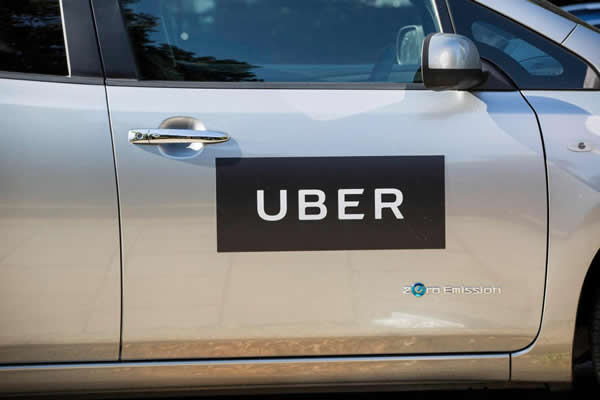
THE END OF UBER? 180-Day Countdown Could Force Bolt and Uber Off SA Roads
Johannesburg, South Africa – The clock is ticking for South Africa’s burgeoning e-hailing industry, with a critical 180-day deadline looming that could see popular platforms like Uber and Bolt deemed illegal operators. This impending crisis stems from new regulatory requirements, and as the mid-March cut-off approaches, a startling reality has emerged: not a single e-hailing platform in the country has yet completed the necessary registration. The potential shutdown of these services would not only disrupt the daily commutes of millions but also plunge thousands of drivers into unemployment, creating widespread chaos in the transport sector.
The new regulations, introduced to formalise and regulate the rapidly expanding e-hailing industry, aim to ensure driver and passenger safety, fair labour practices, and proper tax compliance. While the intent behind these laws is ostensibly positive, their implementation has been fraught with challenges. Industry insiders point to a complex and bureaucratic registration process, coupled with a perceived lack of clear communication and support from regulatory bodies, as key impediments to compliance. This administrative quagmire has left both platforms and drivers in a precarious position, facing an uncertain future.
For the countless drivers who rely on Uber and Bolt for their livelihoods, the prospect of these platforms becoming illegal is a source of immense anxiety. Many have invested heavily in their vehicles, often taking out loans, and the sudden cessation of operations would leave them with significant financial burdens and no immediate alternative income. "This is how I feed my family," lamented one Bolt driver in Johannesburg, who wished to remain anonymous. "If they shut us down, what will happen to us? The government needs to understand the impact this will have on real people."
The ripple effect of such a shutdown would extend far beyond the drivers. Millions of South Africans, particularly in urban centres, have come to depend on e-hailing services for affordable and convenient transportation. The absence of Uber and Bolt would place immense strain on existing public transport infrastructure, which is already struggling to meet demand. Furthermore, it could lead to a resurgence of unregulated and potentially unsafe transport options, undermining the very goals of the new regulations.
Industry analysts have warned of the severe economic consequences. "The e-hailing sector has created a significant number of jobs and contributed substantially to the gig economy," explained Dr. Nomusa Dlamini, an economist specialising in urban development. "Forcing these platforms out of operation without a viable alternative would be a massive blow to job creation and economic activity, particularly for young people and those in informal employment." The economic disruption could also deter future investment in innovative digital services, sending a negative signal to the tech sector.
Both Uber and Bolt have reportedly been engaging with authorities to navigate the registration process, but progress appears to have been slow. The platforms argue that the regulations, in their current form, may not adequately account for the unique operational models of e-hailing services, necessitating a more collaborative approach to find workable solutions. There is a growing call for a dialogue between government, e-hailing companies, and driver representatives to find a pragmatic path forward that ensures compliance without stifling innovation or jeopardising livelihoods.
As the mid-March deadline draws nearer, the pressure is mounting on all stakeholders to find a resolution. The potential for a complete cessation of e-hailing services is a scenario that few wish to contemplate, given the widespread disruption it would cause. The coming weeks will be critical in determining whether South Africa’s e-hailing industry can successfully transition into a regulated environment or if it will face an unprecedented crisis that reshapes the urban transport landscape. The fate of thousands of drivers and millions of commuters hangs in the balance, awaiting a decision that will have far-reaching consequences for the nation.