

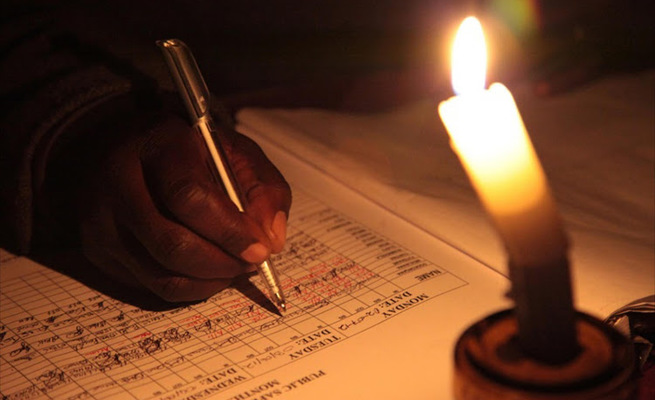
South Africa’s troubled power utility, Eskom, is undergoing a major transformation. The government has confirmed plans to split Eskom into separate entities, beginning with the creation of a standalone transmission company. Officials say the move is designed to improve efficiency, attract investment, and finally tackle the rolling blackouts that have plagued the country for years.
The Announcement
Public Enterprises Minister Pravin Gordhan explained that the restructuring is part of Eskom’s long-term recovery plan. “The separation of Eskom into generation, transmission, and distribution companies will create transparency and accountability. It will also allow private investors to participate in the energy sector,” Gordhan said.
The transmission company will be responsible for managing the national grid, ensuring that electricity generated from various sources is delivered reliably across the country.
Why It Matters
Eskom has long been criticised for inefficiency, corruption, and mismanagement. Load shedding has become a daily reality for millions of South Africans, crippling businesses and frustrating households.
Eskom has long been criticised for inefficiency, corruption, and mismanagement. Load shedding has become a daily reality for millions of South Africans, crippling businesses and frustrating households.
By splitting Eskom, the government hopes to introduce competition in power generation, while leaving transmission under a regulated entity. Analysts believe this could encourage investment in renewable energy projects, reducing reliance on coal.
Investor Interest
The restructuring has already attracted interest from international investors. Renewable energy companies see South Africa as a promising market, given its abundant sunshine and wind resources.
However, investors remain cautious. They want assurances that the new transmission company will be free from political interference and corruption.
Investor Interest
The restructuring has already attracted interest from international investors. Renewable energy companies see South Africa as a promising market, given its abundant sunshine and wind resources.
However, investors remain cautious. They want assurances that the new transmission company will be free from political interference and corruption.
Union Concerns
Not everyone is celebrating. Labour unions have warned that the restructuring could lead to job losses. The National Union of Mineworkers (NUM) said: “We support efforts to stabilise Eskom, but we will not accept retrenchments. Workers must not pay the price for management failures.”
The government has promised to consult unions and protect jobs, but tensions remain high.
Public Reaction
Ordinary South Africans are divided. Some welcome the changes, hoping they will end years of power cuts. Others fear that privatisation could lead to higher electricity prices.
On social media, one user wrote: “If splitting Eskom means no more load shedding, I’m all for it. But if it means higher tariffs, then it’s just another burden on the poor.”
The Road Ahead
The transmission company is expected to begin operations later this year. Generation and distribution entities will follow in the coming years.
Experts say the success of the restructuring will depend on strong governance and transparency. Without these, Eskom’s problems could simply be replicated in the new entities.
Conclusion
Eskom’s shake-up is a bold experiment. It offers hope of a more reliable power supply, but also raises fears of job losses and higher costs. For South Africans weary of blackouts, the stakes could not be higher.