

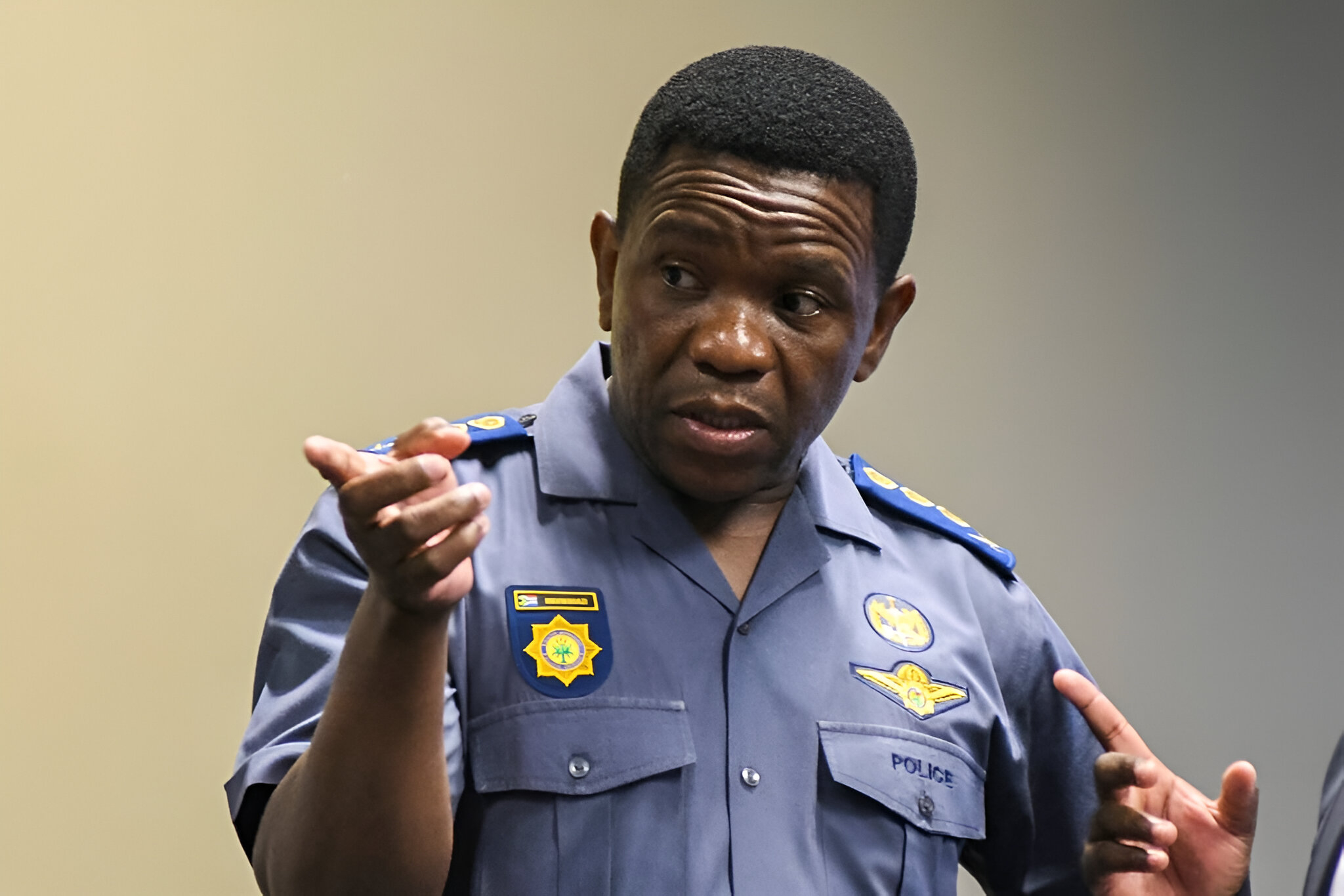
When Lieutenant General Nhlanhla Mkhwanazi led a massive Friday night raid on Durban’s Point area on 13 February 2026, the images of seized guns and drugs were only the tip of the iceberg. While the flashing blue lights and the sight of heavily armed tactical units dominated the social media feeds of South Africans, our investigative report goes beneath the surface to reveal what this "major crackdown" actually uncovered. It was not just a random sweep for petty criminals; it was a targeted strike against a network of secret underground pubs and illegal businesses that serve as the financial engine for the city’s most ruthless criminal syndicates.
The operation, which took place primarily in Dr Pixley kaSeme Street, saw the Provincial Commissioner himself walking the beat. Mkhwanazi, known for his no-nonsense approach and his recent public clashes with political figures over organised crime, was not there just for a photo opportunity. He was there to witness the dismantling of a shadow economy that has turned the Point area into a no-go zone for law-abiding citizens.
One of the most significant finds of the night was a popular pub operating on Dr Pixley kaSeme Street. On the surface, it looked like many other establishments in the bustling CBD, but once the police breached the doors, the true nature of the business was exposed. The pub was operating completely illegally, with no valid liquor licence or business permits. Even more telling was the arrest of its manager, who was found to be in South Africa illegally.
According to an official police statement: "Police shutdown a popular pub which was operating illegally. Its manager, who was in the country illegally, was arrested. There were also several patrons who were detained for various offences, including the possession of drugs and illegal substances."
This pub was not just a place for a drink; it was a hub. Investigative sources suggest that these illegal establishments act as "safe houses" and meeting points for gang leaders and drug distributors. By operating outside the law, they avoid the scrutiny of liquor boards and municipal inspectors, allowing them to serve as a front for much darker activities. The sophisticated nature of the weaponry found during the raid—including illegal firearms that are often linked to high-profile assassinations and gang warfare—points to a level of organisation that far exceeds that of a simple street gang.
The crackdown revealed a disturbing conspiracy of protection. For years, these illegal pubs have operated in plain sight of local authorities. How is it possible for a "popular" establishment to serve hundreds of people every night without a single licence? Our analysis suggests that a network of low-level corruption has allowed these businesses to thrive. Small bribes to inspectors and a culture of looking the other way have created a vacuum where the "mafias" have taken control.
Mkhwanazi’s strategy is clear: he is trying to reclaim the city by cutting off the money. These illegal businesses are the "financial engine" of the syndicates. Every bottle of illegal alcohol sold and every gram of drugs traded in these pubs feeds back into the pockets of the men who are terrorising Durban. By shutting them down, the police are not just making arrests; they are starving the beast.
The Point area has long been the heart of Durban’s crime crisis. Once a premier tourist destination, it has become a labyrinth of hijacked buildings and secret underground dens. The Friday night blitz was part of a larger, multidisciplinary effort involving the Department of Home Affairs and the Department of Employment and Labour. This "joint operation" was designed to hit the syndicates from every angle—immigration status, labour law violations, and criminal activity.
"The operation focused on suspect raids, illegal immigrants, liquor outlets inspections and stop and searches, with the main focus of illegal firearms and drugs," a SAPS spokesperson confirmed during the briefing.
But the weaponry is what truly chilled the investigators. The firearms seized were not just old pistols; they were modern, high-calibre weapons, some with their serial numbers filed off, indicating they had been sourced through illegal international channels or stolen from state armouries. This confirms what many in the intelligence community have feared: Durban’s criminal underworld is no longer just a local problem; it is part of a global network of arms and drug trafficking.
The presence of undocumented foreign nationals in key management positions within these illegal businesses also highlights a massive failure in border control and municipal oversight. The "manager" arrested at the Dr Pixley kaSeme pub is just one example of how the syndicates exploit vulnerable people to run their front operations, keeping the true "bosses" far away from the frontline.
As the raid moved into the early hours of Saturday morning, the scale of the "shadow city" became apparent. Beyond the pubs, police found "sweatshops" and illegal housing units where people were living in appalling conditions, often being exploited for cheap labour. This is the hidden human cost of the CBD’s decay—a cycle of poverty and crime that is reinforced by the very businesses the police are now targeting.
General Mkhwanazi’s bold move has not gone unnoticed by the public. On social media, residents of Durban expressed a mixture of relief and scepticism. One user on a political debate forum noted: "We're lucky to have Mkhwanazi in KZN…he doesn't smell sh*t like your politicians who are licking the backside of drug dealers in SA." This sentiment reflects a growing divide between the police on the ground and the political elite, who many believe have been compromised by the same syndicates Mkhwanazi is fighting.
The "war for Durban’s soul" is far from over. While the Friday night raid was a major victory, the "mafias" are known for their ability to adapt. As soon as one illegal pub is closed, another often opens just a few blocks away. However, the intensity of this latest crackdown suggests a change in tactics. The police are no longer just reacting to crimes; they are proactively dismantling the infrastructure of the criminal world.
By simplifying the hidden connections between a night out at an illegal pub and the rising tide of violence on our streets, we can begin to understand why these raids are so vital. It is not just about the "seized guns and drugs." It is about breaking the conspiracy of silence and protection that has allowed the CBD to rot.
The sophisticated nature of the items found—from the drugs to the high-tech communication devices used by the syndicates—shows that this is a war against an army, not just a group of thugs. General Mkhwanazi is the man leading the charge, and if this latest operation is anything to go by, he has no intention of backing down.
As we look at the "silent beaches" of KZN and the "shadowy figures" who control the Point, the message from the Provincial Commissioner is loud and clear: the law is coming back to Durban, and the secret underground is being dragged into the light. This is more than a news story; it is a documentary of a city fighting to survive. The "major crackdown" may have started on a Friday night, but its effects will be felt for years to come as the State tries to reclaim every street, one illegal pub at a time.
For the residents of Durban, the hope is that this is not just a "once-off" event but the start of a sustained campaign. The "mafias" have had their way for too long, and the cost has been measured in lives lost and a city in decline. With Mkhwanazi at the helm, the tide may finally be turning. But as our investigation shows, the roots of the problem go deep, and the battle for the CBD is only just beginning.