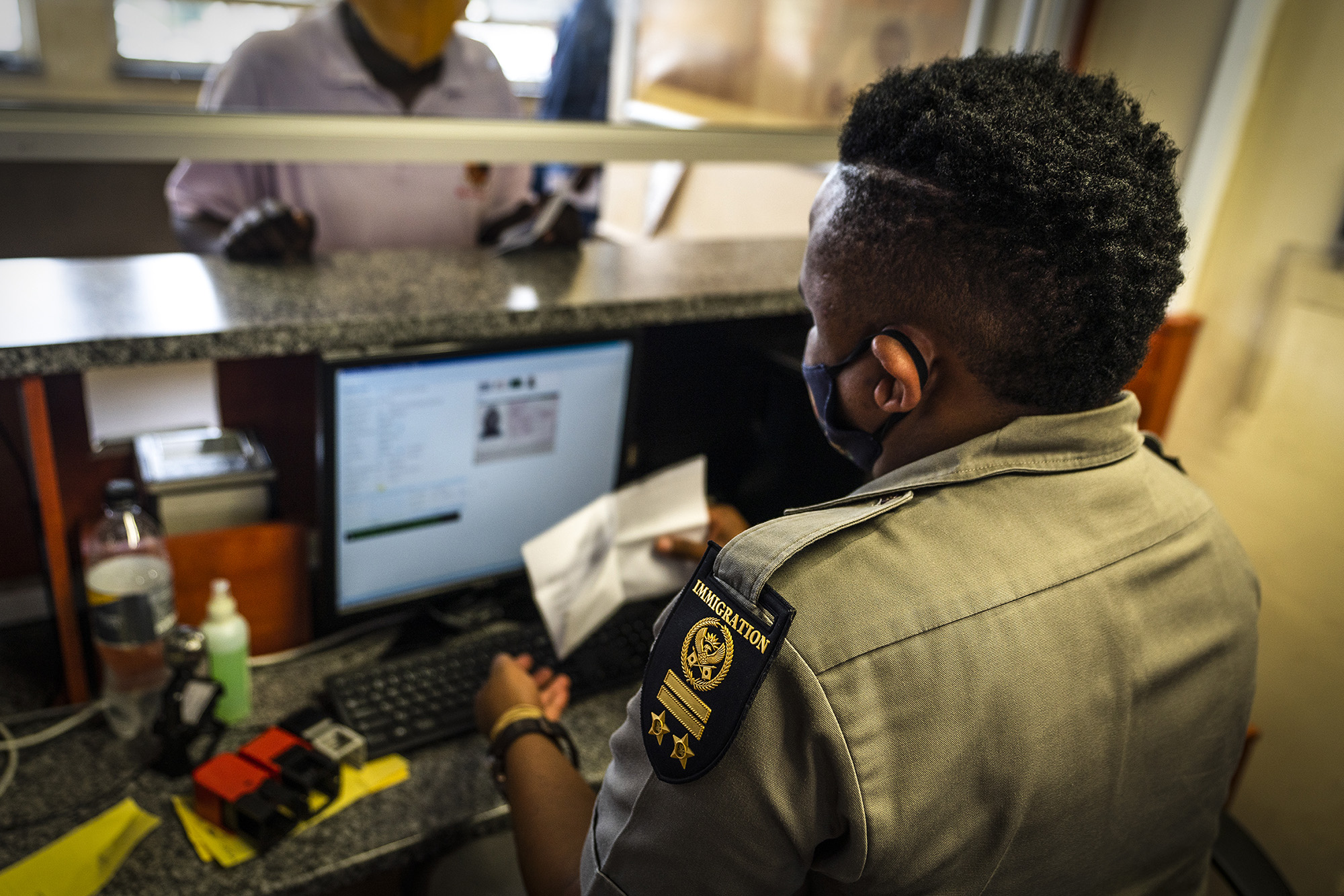
Pretoria, South Africa – In a decisive blow against corruption, the Border Management Authority (BMA) has announced the dismissal of over 50 officials implicated in widespread graft at South Africa’s ports of entry. The unprecedented purge, largely attributed to the effective deployment of body cameras, signals a new era of accountability and transparency in securing the nation’s borders. This development brings a potent mix of national relevance, economic impact, and human drama, as it exposes the rot within a critical state institution and the personal consequences for those involved.
Dr. Michael Masiapato, Commissioner of the BMA, revealed that the body cameras, initially introduced as a pilot project, have proven to be an invaluable tool in deterring and detecting corrupt activities. “Body cameras worn by officials at South Africa’s ports of entry are helping deter corruption,” Masiapato stated, highlighting the technology’s success. The cameras provide irrefutable evidence, making it significantly harder for officials to engage in illicit practices such as facilitating illegal entry, smuggling, and the fraudulent sale of visas without immediate detection.
The dismissed officials were found to be involved in a range of corrupt practices that severely compromised national security and economic integrity. These activities included allowing undocumented individuals to cross borders, accepting bribes to fast-track processes, and even actively participating in syndicates that trafficked in illegal goods and persons. The scale of the dismissals underscores the deep-seated nature of the corruption that had permeated these vital entry points, posing a significant threat to the country’s sovereignty and the safety of its citizens.
The human drama behind these dismissals is compelling. For the officials involved, the loss of their jobs and the public disgrace represent a dramatic fall from grace. Many will face criminal charges, further compounding their personal and financial ruin. For the honest officials within the BMA, this crackdown offers a renewed sense of hope and integrity, allowing them to perform their duties without the shadow of suspicion. The emotional pull of this story lies in the stark contrast between the betrayal of public trust and the determined efforts to restore it.
Economically, the impact of corruption at border posts is devastating. It facilitates the influx of counterfeit goods, undermining local industries and costing the fiscus billions in lost revenue. It also enables illicit trade, which often funds organised crime and destabilises legitimate economic activities. By curbing these corrupt practices, the BMA’s actions are expected to have a positive ripple effect on the national economy, fostering a more secure and predictable environment for trade and investment. The increased efficiency and integrity at border posts will also enhance South Africa’s international standing and ease of doing business.
This crackdown holds immense national relevance. Secure and well-managed borders are fundamental to national security, public health, and economic prosperity. The BMA’s proactive approach, particularly its embrace of technology like body cameras, sets a precedent for other government departments grappling with corruption. It demonstrates a commitment to good governance and the protection of national assets. The government has welcomed the dismissals, reiterating its resolve to root out fraud and corruption at all levels.
The BMA’s success story with body cameras offers a blueprint for future anti-corruption initiatives across the country. It highlights the importance of not only strong leadership and political will but also the strategic deployment of technology to enhance oversight and accountability. As South Africa continues its fight against corruption, the lessons learned from this significant purge at the borders will undoubtedly inform broader strategies aimed at restoring public trust and ensuring that those who serve the nation do so with integrity and honesty.