

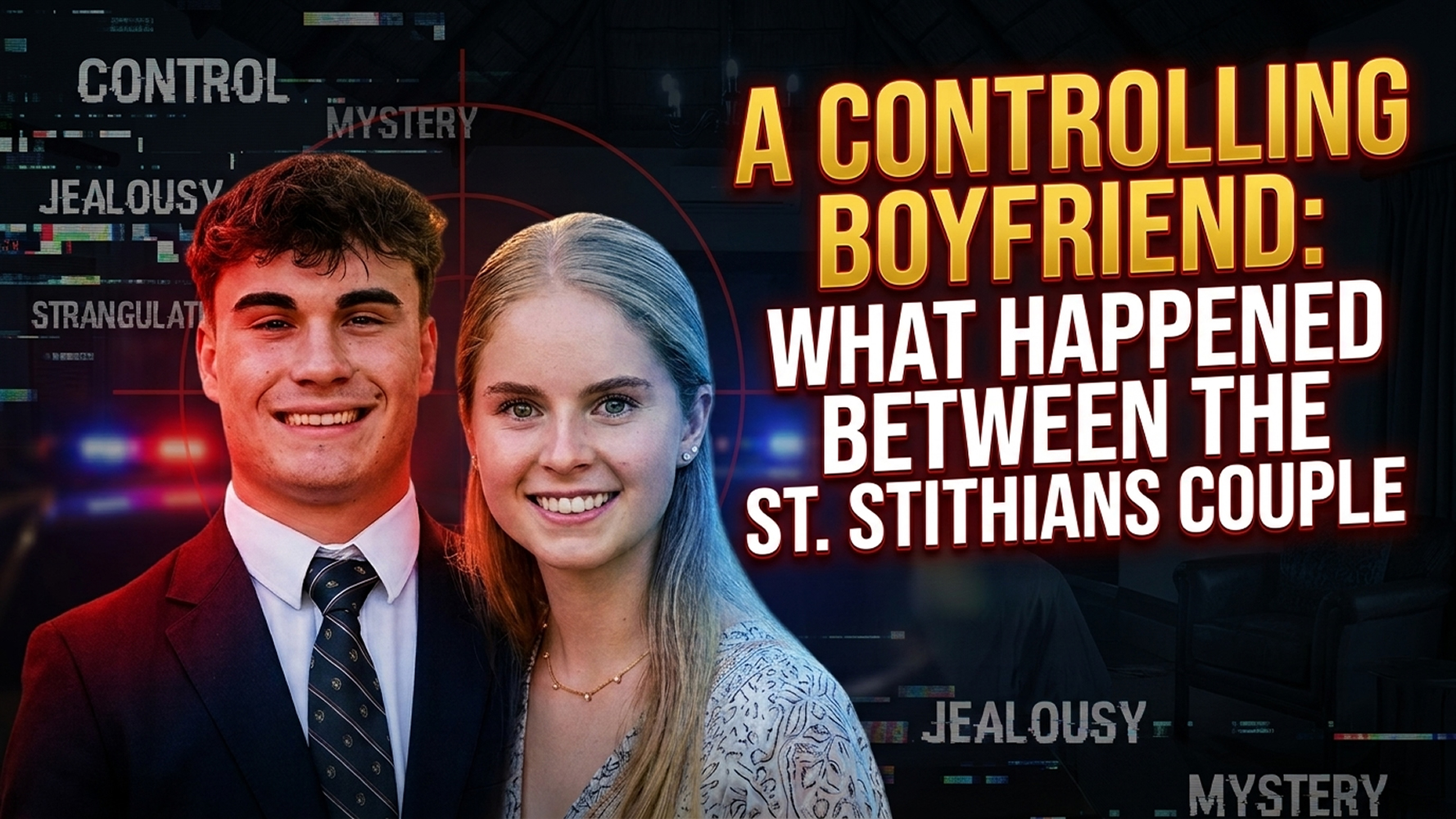
The family of 17-year-old Cameron Waldeck-Cooks has raised serious concerns about the police investigation into her death at a lodge in the Sabie area of Mpumalanga.
Cameron and 19-year-old Ethan Coetzee were found dead at the lodge on 3 August 2026. Police initially opened an inquest, but later opened a murder case after post-mortem findings suggested that Cameron had been strangled. Police said Ethan may have died by suicide.
The Waldeck-Cooks family says important questions remain unanswered more than two months after Cameron’s death. Through their attorneys, they have questioned whether evidence was properly secured and whether the investigation adequately examined the relationship between the two teenagers.
They have also raised concerns about the handling of the teenagers’ cellphones, possible lodge surveillance and limited communication from investigators.
The allegations have not been tested in court. Police have said the case remains under investigation and that they cannot disclose further details because doing so could compromise the inquiry.
Family says evidence may not have been secured
The Waldeck-Cooks family said they were deeply disappointed by the way the investigation had been handled.
“We have serious concerns about how the scene was managed and how potentially important evidence was handled. Despite repeatedly asking for updates, we have received very little meaningful information about the progress of the investigation,” the family said.
“More than two months after losing Cameron, fundamental questions about her death remain unanswered. We simply want SAPS and the relevant authorities to conduct a thorough investigation, ensure that all relevant evidence is properly examined, and establish the truth through a proper judicial process.”
The family added: “Cameron deserves nothing less.”
Cameron was a Grade 11 pupil at St Stithians Girls’ College in Randburg. She was in the Sabie area on a multi-day hiking trip linked to the “adventurous journey” requirement for the gold level of The President’s Award for Youth Empowerment.
She had accepted an invitation from the Coetzee family to join them during the trip.
Post-mortem findings led to murder case
Police spokesperson Colonel Mavela Masondo announced on 7 August that the investigation had been changed from an inquest to a murder case after post-mortem results suggested that Cameron had been strangled.
Police also said Ethan may have died by suicide.
Cameron’s parents, Derrick Cooks and Claire Waldeck-Cooks, separately said an independent pathologist appointed by the family had advised them that preliminary findings indicated their daughter had died from strangulation and suffocation.
The final cause and circumstances of both deaths remain matters for the investigation and inquest process. The available information does not establish who was responsible for Cameron’s death or whether any other person will face criminal charges.
The deaths have prompted questions about the teenagers’ relationship. Friends of Cameron previously described Ethan as controlling and jealous and alleged that he closely monitored her online activity. Those descriptions came from people who knew Cameron and have not been tested in court.
Cellphones at centre of dispute
On 17 September, attorneys for the Waldeck-Cooks family wrote to the investigating officer and prosecutors. They questioned whether the teenagers’ cellphones had been collected and examined as potential evidence.
Attorney Daniel Witz said the family had been informed that Ethan’s cellphone was given to his parents and Cameron’s cellphone was handed to her family at the scene.
“We are instructed that Ethan Coetzee’s phone was provided to his parents and that Cameron Waldeck-Cooks’ phone was given to our clients by the SAPS on the scene,” Witz said in the letter.
The attorneys questioned why police had not secured the devices and downloaded the data for the inquest and murder investigation.
“Another concern raised was why the SAPS had not collected the cellular devices which were on the scene so as to download the data contained thereon which would have assisted with the investigation and enabled the magistrate dealing with the inquest to make an informed determination about the cause or likely cause of death, the date of death, and whether the death was caused by any act or omission seemingly involving a crime by any person.”
The family kept Cameron’s cellphone safe to avoid allegations that it had been tampered with. According to the letter, material later found on the device was described as “extremely disturbing” and was said to shed light on the relationship between the teenagers.
The letter said the material “supports the contention of GBV [gender-based violence]”. It did not provide full details of the material, and the claims have not been tested in court.
Expert says phones should have been seized
Retired Hawks colonel Tollie Vreugdenburg, a veteran investigator who previously worked in counter-terrorism and murder and robbery investigations, said the phones should have been seized at the scene.
He said the devices should have been bagged, tagged and taken to the police Digital Forensic Laboratory for a forensic download and analysis.
The purpose would be to determine whether the data contained clues about what happened between Cameron and Ethan before their deaths, including whether their communications reflected conflict or threats.
Vreugdenburg said police could still obtain and download the information. He acknowledged that questions could arise about the chain of evidence because the devices had allegedly been returned, but said that this would not necessarily prevent the data from being considered in an inquest involving two deceased people.
He also said deleted information could potentially be recovered unless the internal storage components of the phones had been destroyed.
The family’s attorneys have asked police to clarify whether the devices were examined, whether data was preserved and whether the results were included in the docket.
CCTV and Wi-Fi records questioned
The attorneys also asked whether police had secured CCTV footage from the lodge and preserved data from its Wi-Fi router.
They said the family had not received an adequate explanation about whether these possible sources of evidence had been accessed. CCTV footage could assist investigators in establishing the teenagers’ movements, while router records might help identify devices connected to the lodge network and the timing of communications or online activity.
The family also alleged that police had made little effort to communicate with them during the weeks after Cameron’s death. They said they had interacted with the investigating officer only once, after contacting him themselves.
The attorneys requested a meeting with the investigating team to ensure that all relevant material was placed in the docket. The investigating officer reportedly replied on 2 October with a proposal for a meeting, but the family’s lawyers said communication later stopped.
Family asks for public inquest
The Waldeck-Cooks family has requested that a public inquest be held, with oral evidence presented. They believe this would allow the presiding magistrate to consider all relevant material before reaching a decision.
An inquest generally involves a judicial officer determining the circumstances of an unnatural death, including the cause and likely date of death and whether the death resulted from an act or omission that may amount to a criminal offence.
A public inquest could allow witnesses, experts and investigators to give evidence and could provide the family with a fuller account of what happened at the lodge. It would not automatically result in a criminal conviction, but could assist the authorities in deciding whether further prosecution is warranted.
Police and Coetzee family respond
Police said the matter remained under investigation and that they could not provide further information because disclosure might compromise the case. They did not specifically address the allegations about the cellphones or the family’s concerns about communication.
The Coetzee family said it would not comment in detail while the police investigation and inquest were pending.
“Given the ongoing police investigation and the fact that an inquest is still to be conducted, it would be inappropriate for the family, or any other party, to comment on matters that may form part of, or be relevant to, those proceedings.
“As far as the electronic devices are concerned, any information or data extracted from a device would be dependent on a lawful process having been followed in order to guarantee the integrity of such information or data. Presently, the family is observing the grieving process and appreciates the space to do so,” they added.
The two families are therefore taking different approaches while the investigation continues. Cameron’s family is seeking greater scrutiny of the evidence and a public inquest, while the Coetzee family has called for restraint until the formal processes are complete.
At the latest update, no one had been charged with Cameron’s death. Police continued investigating the murder case and the possible suicide of Ethan, while the families awaited clarity about the evidence, the forensic findings and the circumstances surrounding the teenagers’ deaths.