

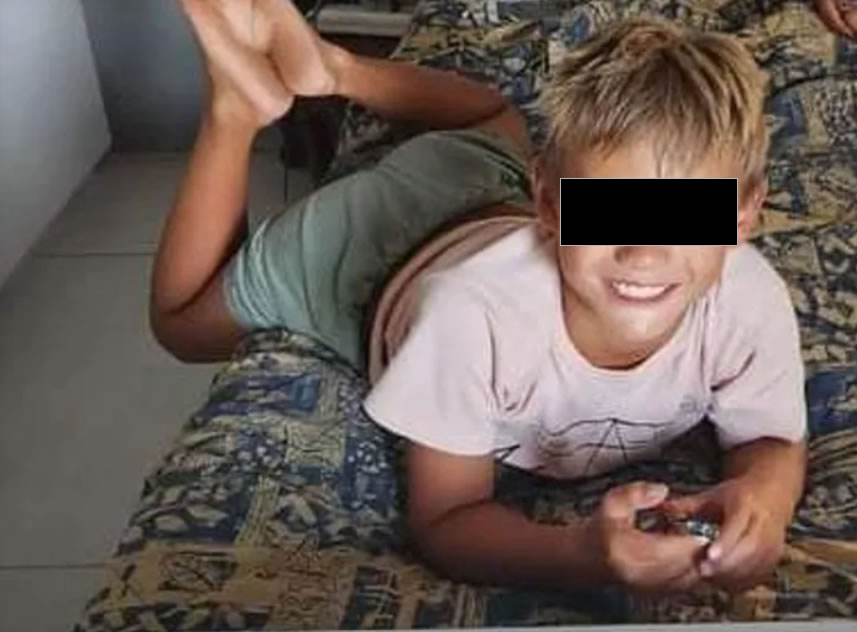
A Cape Town father has been sentenced to two life terms in the Western Cape High Court for the rape and murder of eight-year-old Daniel Jamneck, in a case that has horrified the Western Cape and drawn attention to failures in child protection and parole oversight.

The court found that the 49-year-old man raped and strangled Daniel to death on 15 June 2023 while the child was attending a sleepover at a friend’s flat in Peerless Park North, Kraaifontein. The boy’s friend was sleeping in the same room on a bunk bed and did not wake while the attack unfolded, according to the evidence placed before the court.
The accused cannot be named in order to protect the identity of his son, who was a crucial witness during the proceedings. Despite maintaining his innocence throughout the case, he was ultimately convicted by the court.
The trial also heard that the man was on parole at the time of Daniel’s murder. He had previously been convicted of rape in 2005 and was serving a three-year correctional supervision sentence after entering into a plea agreement with the State. That background became a central part of the case, as prosecutors argued that he should never have been in a position to harm a child again.
The State said the investigation uncovered disturbing forensic evidence. Daniel’s body showed bite marks and abrasions, while adult pubic hair was found during the probe. A post-mortem also revealed nail marks on the child’s neck, supporting the conclusion that he had been strangled. Those findings formed a key part of the prosecution’s case against the father.
The sentencing reflects the seriousness with which the court treated the offences. He received 10 years’ imprisonment for the 2005 rape, life imprisonment for the murder, eight years’ imprisonment for the sexual assault, and life imprisonment for the rape of Daniel. The court ordered the sentences to run concurrently.
In addition to the prison terms, the court ordered that his details be entered into the National Register for Sex Offenders. He was also barred from possessing a firearm and prohibited from working with children. Those orders are intended to prevent him from posing any further risk to the public, especially to vulnerable children.
The case has once again raised painful questions about how repeat offenders are monitored after release and whether the system did enough to protect a child who should have been safe at a sleepover. For Daniel’s family, the sentence may bring some measure of legal closure, but it cannot undo the loss of a young life taken in such brutal circumstances.
The judgment closes one of the most distressing child murder cases to come before the Western Cape High Court in recent years, and the details heard during the trial have left a lasting mark on all who followed the proceedings.