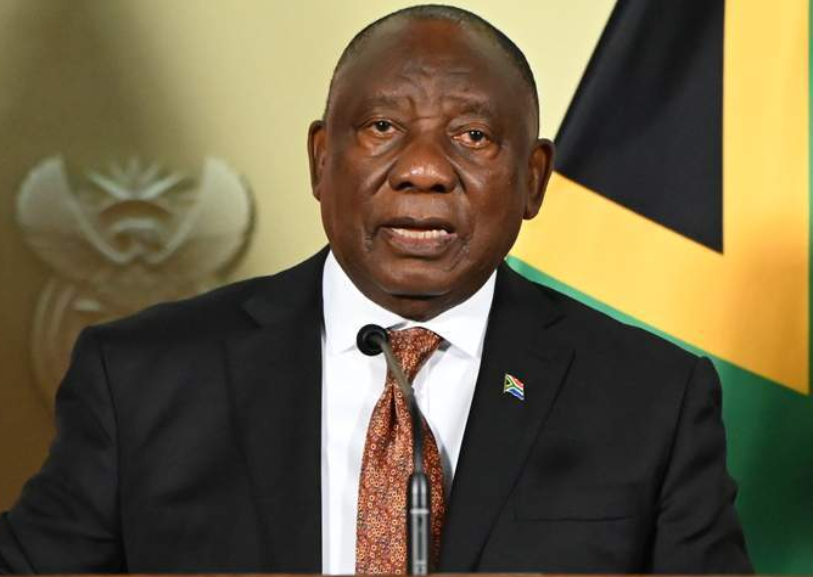
Cape Town – President Cyril Ramaphosa has launched an urgent application in the Western Cape High Court, seeking to interdict Parliament's Section 89 impeachment proceedings related to the Phala Phala scandal. The high-stakes legal battle, which commenced on Wednesday and is set to continue today, Thursday, July 16, 2026, pits the executive against the legislature in a move that could have profound constitutional implications for South Africa.
Ramaphosa's legal team is challenging the independent panel report that found prima facie evidence of misconduct against him, recommending that Parliament initiate impeachment proceedings. The President's application seeks to review and set aside this report, arguing that its findings are flawed and that there is no justification for a public inquiry into the matter.
The Section 89 process was triggered by allegations of a cover-up surrounding the theft of a substantial amount of foreign currency from Ramaphosa's Phala Phala farm in Limpopo in 2020. The scandal, which first broke in June 2022, has since cast a long shadow over his presidency, raising questions about his business dealings, the source of the foreign currency, and whether he violated executive ethics codes or anti-corruption laws.
Legal analysts have indicated that Ramaphosa faces an uphill battle in his urgent court bid. The independent panel, appointed by Parliament, comprised highly respected legal minds, and their findings were based on a thorough assessment of the evidence presented to them. Overturning such a report requires compelling legal arguments demonstrating a clear error in law or process.
Political reactions to Ramaphosa's court action have been swift and varied. The African Transformation Movement (ATM), which initially brought the Section 89 motion against the President, has sharply criticised his move, viewing it as an attempt to evade accountability. Other opposition parties have echoed these sentiments, arguing that the President should allow the parliamentary process to unfold without judicial interference.
However, supporters of the President contend that he is merely exercising his constitutional right to challenge a report he believes to be legally unsound. They argue that allowing a flawed report to proceed could set a dangerous precedent, undermining the principles of natural justice and due process. The outcome of this court case is therefore not just about Ramaphosa's political future, but also about the interpretation and application of constitutional law regarding presidential accountability.
The Phala Phala saga has been a persistent distraction for Ramaphosa's administration, diverting attention from critical national issues such as economic recovery, unemployment, and service delivery. The ongoing legal and political wrangling threatens to further destabilise the political landscape, particularly within the ruling African National Congress (ANC), which is already grappling with internal divisions ahead of its elective conference.
Central to Ramaphosa's legal challenge is the argument that the independent panel misinterpreted the scope of its mandate or relied on inadmissible evidence. His lawyers are expected to meticulously dissect the panel's report, highlighting what they perceive as procedural irregularities or substantive errors that warrant its review and setting aside by the High Court. Should the court rule in his favour, it would effectively halt the impeachment process, providing a significant reprieve for the President.
Conversely, a ruling against Ramaphosa would pave the way for Parliament to proceed with the impeachment inquiry, potentially leading to a vote that could see him removed from office. Such an outcome would plunge South Africa into unprecedented political uncertainty, with far-reaching consequences for governance and stability.
The Western Cape High Court's decision is eagerly awaited by political observers, legal experts, and the general public. It represents a critical juncture in the Phala Phala saga, determining whether the President can successfully use the courts to circumvent a parliamentary process, or if the legislature's powers of oversight will ultimately prevail. The implications of this ruling will extend beyond the immediate fate of President Ramaphosa, shaping the future of executive accountability and the balance of power within South Africa's constitutional democracy for years to come.