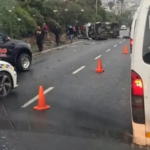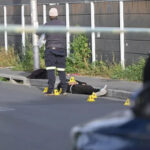
Cape Town, South Africa – A tragic incident on a notorious stretch of Jan van Riebeeck Drive has cast a harsh light on Cape Town’s escalating smash-and-grab epidemic, claiming the life of dedicated EMS worker Lionel Rossi. The Paarl resident reportedly succumbed to a heart attack while pursuing robbers along the dangerous intersection of van Riebeeck Drive and Epping Avenue in Elsies River last week. What makes this tragedy even more disturbing is the revelation that children as young as 13 are believed to be behind these brazen attacks, highlighting a crisis that extends far beyond mere crime statistics.
Rossi’s untimely death has ignited a fresh wave of outrage and concern among healthcare professionals and crime fighters, who are already grappling with a relentless onslaught of safety-related incidents. The Western Cape Department of Health and Wellness has recorded a staggering 90 safety-related incidents involving EMS staff in the past year alone. These include 23 stoning incidents, 12 robberies, and seven assaults, painting a grim picture of the perilous environment in which emergency services operate. The Law Enforcement Department’s own figures further underscore the scale of the problem, registering 400 smash-and-grab incidents from December 2025 until May this year, a period marked by a surge in these opportunistic crimes.
In the immediate aftermath of Rossi’s death, police swiftly moved to apprehend suspects. Seven individuals were arrested, most of whom were minors aged between 13 and 16 years old, believed to be directly involved in the smash-and-grab incidents plaguing the area. However, a critical flaw in the justice system saw these young suspects released shortly thereafter due to their juvenile status. This legal loophole, which often sees young offenders back on the streets within hours, is a source of immense frustration for law enforcement and a significant contributor to the perpetuation of these crimes.
Freedom Front Plus Councillor Emre Uygun, a vocal advocate against smash-and-grab incidents, has been at the forefront of raising awareness and pushing for action. Uygun points to ongoing construction along Jan van Riebeeck Drive as a major contributing factor, transforming motorists into easy targets. “I highlighted that a group of young boys are targeting motorists almost daily along the stretch of road affected by the current construction work,” Uygun stated. He explained that severe traffic congestion during peak hours leaves motorists trapped and vulnerable, creating an ideal hunting ground for these young criminals.
Days before Rossi’s death, on June 14, Uygun had already pressed the directorate for answers regarding the completion timeline of the construction work, foreseeing the continued danger it posed. His concerns were tragically validated with Rossi’s passing. During discussions with the SAPS acting Station Commander at Bishop Lavis and with the Brigadier, Uygun was informed of the seven arrests. The disheartening reality, however, was that “many of those arrested are juveniles between the ages of 13 and 16 years old. According to SAPS, these minors are often released shortly thereafter.” This cycle of arrest and release fuels the problem, as young offenders face little consequence for their actions, emboldening them to continue their criminal activities.
The involvement of children in such violent crimes is a deeply troubling symptom of broader societal issues. Poverty, lack of educational opportunities, dysfunctional family structures, and exposure to gang culture often push vulnerable youth into a life of crime. These young individuals are not only perpetrators but also victims, caught in a cycle that is difficult to escape. The community of Elsies River, like many other impoverished areas in Cape Town, grapples with high unemployment rates and a pervasive sense of hopelessness, creating fertile ground for criminal recruitment.
Lionel Rossi’s death underscores the profound human cost of this unchecked criminality. As an EMS worker, he dedicated his life to saving others, only to lose his own in the line of duty, a victim of the very violence he sought to mitigate. His passing is a stark reminder of the dangers faced by essential service personnel, who are increasingly becoming targets for criminals. The incident also highlights the psychological toll on emergency responders, who routinely face threats and violence while trying to provide critical care.
The ongoing construction work, while necessary for infrastructure development, has inadvertently created a dangerous bottleneck, turning a routine commute into a high-risk endeavour. The lack of adequate security measures in such vulnerable areas is a critical oversight that needs immediate attention. The community, already burdened by crime, now faces the added anxiety of navigating a known hotspot for smash-and-grab attacks, with little assurance of safety.
Addressing this complex issue requires a multi-faceted approach. Beyond increased police presence and swift arrests, there is an urgent need for social interventions aimed at diverting at-risk youth from a life of crime. This includes providing educational support, recreational activities, job training, and mentorship programs. Furthermore, a review of the legal framework surrounding juvenile offenders is imperative to ensure that accountability is balanced with rehabilitation, breaking the cycle of re-offending. The tragic death of Lionel Rossi must serve as a catalyst for meaningful change, ensuring that no other life is lost to this pervasive and heartbreaking crime wave.