

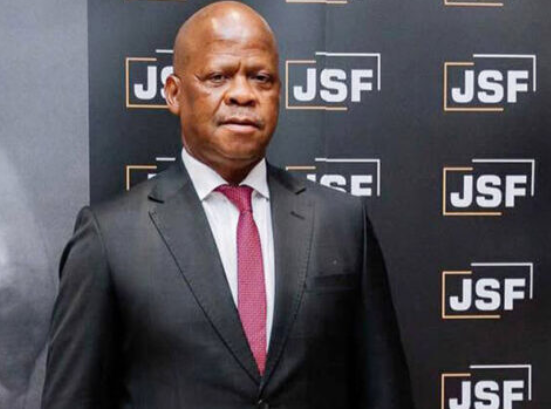
In a dramatic turn of events that has sent ripples through South Africa's notorious taxi industry, prominent Mpumalanga taxi boss Joe "Ferrari" Sibanyoni was arrested last night in Pretoria, near Centurion. Sibanyoni, known for his flashy nickname and alleged deep ties to the underworld, was apprehended along with two other individuals on extortion-related charges. This high-profile bust marks a significant moment in the ongoing battle against organised crime and corruption that has long plagued the country's transport sector.
The Arrest: A Midnight Operation
The arrests took place on Monday night, May 11, 2026, as law enforcement agencies moved swiftly to apprehend Sibanyoni and his alleged accomplices. While Mpumalanga police spokesperson Colonel Mavela Masondo confirmed the arrests, he remained tight-lipped about the identities of the suspects, stating that names could not be released until their court appearance. However, News24 understands that the man at the centre of the storm is indeed Joe "Ferrari" Sibanyoni, a figure whose name has become synonymous with power and controversy within the taxi industry. The charges stem from a case dating back to 2025, indicating a lengthy investigation leading up to this decisive action.
Links to the Underworld: The "Cat" Connection
Sibanyoni's arrest is particularly significant due to his alleged connections to notorious underworld figures. Foremost among these is Vusimusi "Cat" Matlala, an alleged kingpin accused of infiltrating the very institutions meant to uphold law and order, including the South African Police Service (SAPS) and the Ekurhuleni Metro Police Department (EMPD). Matlala is currently facing pre-trial hearings for a range of serious offences, including attempted murder. The intertwining of Sibanyoni's name with such a figure paints a grim picture of a sophisticated criminal network operating with impunity, often with alleged protection from within the state apparatus. This connection suggests that Sibanyoni's arrest is not an isolated incident but potentially a piece of a much larger puzzle.
The Madlanga Commission: Unravelling the Web
Joe "Ferrari" Sibanyoni's name is not new to the public discourse on crime and corruption. He has been mentioned on numerous occasions in evidence presented before the Madlanga Commission, a body tasked with investigating the murky depths of the taxi industry, including its links to murders and cartels. Testimony at the commission has reportedly highlighted Sibanyoni's alleged involvement in various illicit activities, including the sharing of sensitive information with police officers, such as Sergeant Fannie Nkosi. These revelations have painted a picture of a system where powerful individuals allegedly "capture" elements of law enforcement, turning them into enablers of criminal enterprises rather than protectors of the public. The commission's findings have consistently pointed to a pattern of information-sharing that goes beyond casual contact, suggesting a deliberate and calculated effort to manipulate the justice system.
The Extortion Charges: A Glimpse into the Empire
The specific extortion-related charges against Sibanyoni and his co-accused offer a glimpse into the alleged methods used to maintain control and power within the taxi industry. Extortion, by its very nature, involves the use of threats or force to obtain money or property, often preying on vulnerable individuals or businesses. Such charges suggest a ruthless approach to business, where intimidation and coercion are allegedly employed to stifle competition or enforce illicit demands. This aspect of the case underscores the human cost of such criminal activities, as ordinary people and legitimate businesses are often caught in the crossfire of these power struggles.
What Happens Next: A High-Stakes Legal Battle
Sibanyoni and his co-accused are expected to appear in court soon, where they will formally face the charges against them. This court appearance will undoubtedly draw significant media attention, as the public eagerly awaits more details about the extent of their alleged criminal enterprise. The legal proceedings are likely to be complex and protracted, given the high-profile nature of the accused and the intricate web of connections to the underworld and potentially corrupt officials. The outcome of this case could have far-reaching implications for the taxi industry, potentially disrupting established criminal networks and sending a strong message that no one is above the law, regardless of their perceived power or influence. The arrests signal a renewed effort by authorities to clean up the sector, offering a glimmer of hope for a more transparent and lawful future for South Africa's taxi