

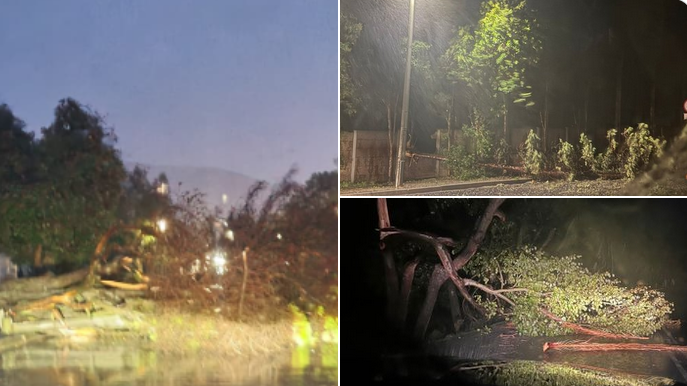
Cape Town has been battered by a ferocious storm, leaving a trail of destruction across the city. Heavy rains and powerful winds have ripped roofs off homes, turned roads into rivers, and caused widespread chaos, prompting a national disaster response. The severe weather, which began on Monday, May 11, 2026, is expected to continue its relentless assault until at least Tuesday, with authorities urging residents to remain vigilant.
The South African Weather Service (SAWS) issued an Orange Level 8 warning, indicating a high risk of disruptive rainfall and damaging winds. This warning proved to be accurate as reports of devastation poured in from various parts of the Mother City. The City of Cape Town’s Disaster Risk Management Centre (DRM) has been inundated with calls, coordinating emergency responses to the unfolding crisis. The sheer volume of distress calls has stretched emergency services thin, with rescue teams working around the clock to assist those in immediate danger, often battling treacherous conditions themselves.
Among the hardest-hit areas are Mitchells Plain and Hanover Park, where the sheer force of the wind tore roofs from houses, leaving families exposed to the elements. These communities, often vulnerable to extreme weather, are now grappling with the immediate aftermath, facing the daunting task of rebuilding and recovering. Informal settlements, in particular, have borne the brunt of the flooding, with makeshift homes submerged and possessions washed away. The lack of proper infrastructure in these areas makes them especially susceptible to the devastating effects of such storms, displacing hundreds and creating a humanitarian challenge.
Roads across the city have become impassable, transforming into treacherous waterways. Major arteries and suburban streets alike have been affected, leading to significant traffic disruptions and making travel hazardous. Commuters faced gridlock and lengthy delays, with many forced to abandon their vehicles. Bridges have been submerged, and in some alarming instances, road collapses and sinkholes have been reported, further highlighting the intensity of the storm and the strain on the city's infrastructure. The widespread flooding has also overwhelmed drainage systems, exacerbating the problem and prolonging the misery for many residents, turning routine journeys into perilous expeditions.
The storm’s impact extends beyond structural damage and travel woes. Power outages have plunged multiple regions into darkness, adding to the challenges faced by residents and businesses. The disruption to electricity supply affects everything from communication to heating, a critical concern as temperatures plummet during the severe weather event. Schools and businesses have been forced to close, disrupting daily life and causing economic losses. The long-term economic toll of such widespread infrastructure damage is yet to be fully calculated, but it is expected to be substantial, impacting local economies and livelihoods.
This powerful cold front, associated with a steep upper-air trough, has not only affected the Western Cape but has also triggered a national disaster declaration, with other provinces like the Eastern Cape also experiencing severe weather conditions. The government has activated a nationwide disaster response, mobilising resources to assist affected communities and mitigate further damage. This coordinated effort underscores the gravity of the situation, as authorities work to protect lives and property, drawing on lessons learned from previous extreme weather events that have increasingly plagued the region.
The human element of this disaster is profound. Families are left without shelter, their lives upended by the sudden fury of nature. The images emerging from Cape Town tell a story of resilience in the face of adversity, but also of immense hardship. Many residents are now facing the daunting prospect of rebuilding their homes and lives, often with limited resources. Community organisations and aid agencies are expected to play a crucial role in providing immediate relief and long-term support to those who have lost so much, offering food, blankets, and temporary shelter.
Cape Town has a history of experiencing severe winter storms, but the intensity and widespread damage of this particular event have caught many off guard. Climate change experts have warned that such extreme weather phenomena are likely to become more frequent and severe, posing an ongoing challenge for urban planning and disaster preparedness. The current storm serves as a stark reminder of the urgent need for robust infrastructure and effective early warning systems to protect vulnerable communities.
As the storm continues to rage, the focus remains on ensuring the safety of all residents. Emergency services are working tirelessly, often in dangerous conditions, to rescue those trapped by floodwaters and provide assistance where needed. The coming days will be critical for assessment and recovery, but for now, Cape Town remains in the grip of a powerful and destructive storm, a stark reminder of nature’s unpredictable force and the resilience of its people.