

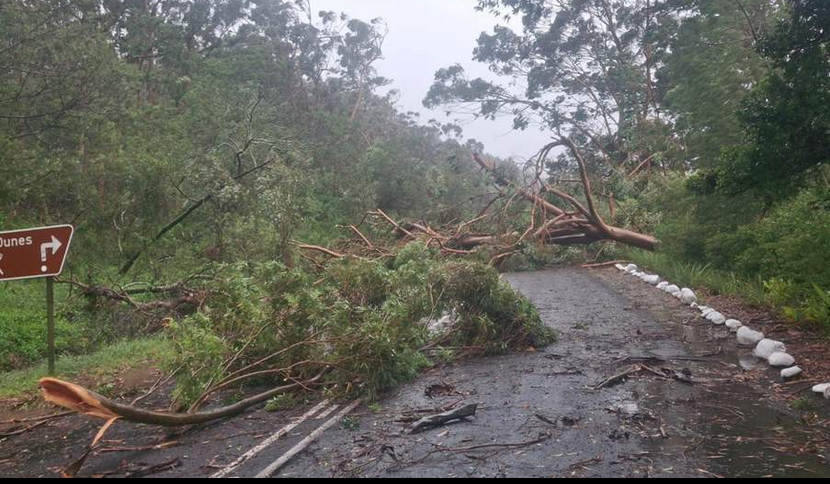
South Africa is officially in a state of emergency after the government declared a national disaster on Sunday, 10 May 2026. This comes after a week of terrifying weather that has seen homes washed away, roads turned into rivers, and heavy snow trapping people in their cars.
The decision by the National Disaster Management Centre means that the whole country is now on high alert. Six out of South Africa’s nine provinces are currently fighting to survive what many are calling the worst storms in years.
A Country Under Attack
From the coast of the Western Cape to the mountains of the Free State, the weather has been relentless. The government has confirmed that the Western Cape, Eastern Cape, Northern Cape, Free State, North West, and KwaZulu-Natal are all part of the disaster zone.
In the Eastern Cape, the situation is particularly dire. Catastrophic floods have torn through towns, leaving a trail of destruction. Sadly, lives have already been lost, and the death toll is expected to rise as rescue teams reach areas that were previously cut off.
Snow, Floods and Chaos
While the coast is drowning in rain, the interior of the country is freezing. Heavy snowfall has hit the Northern Cape and the Free State, blocking major roads and leaving travellers stranded. Farmers are also worried about their livestock as the temperatures have dropped to dangerous levels.
In the Western Cape, the storm has forced more than 120 schools to close their doors. Power lines have been knocked down, leaving thousands of people in the dark, and major roads have been closed because of mudslides and flooding.
The Rescue Mission
The national disaster declaration is a major step. It allows the government to move faster to help people. It also means that the South African National Defence Force (SANDF) and police divers can be sent to any area that needs help without waiting for provincial permission.
Along the Garden Route, rescue teams have been working around the clock. Helicopters and boats have been used to save people who were trapped in their homes by rising water. Police divers have also been in the water, searching for people who may have been swept away.
What the National Disaster Means for You
When the government calls something a "national disaster," it means they are taking full control. It unlocks emergency money to fix broken bridges and help people who have lost their homes. However, it also means that the danger is very real.
Minister of Cooperative Governance and Traditional Affairs, Velenkosini Hlabisa, has urged everyone to stay off the roads unless it is absolutely necessary. "We are asking the public to exercise extreme caution. The weather is unpredictable, and we want to make sure everyone is safe," he said.
A Year of Weather Extremes
This is not the first time South Africa has faced a disaster this year. In January 2026, parts of Limpopo and Mpumalanga were also hit by floods. However, the current storm is much bigger, covering more than half of the country at once.
|
Province
|
Main Threat
|
Current Status
|
|
Eastern Cape
|
Flash Floods
|
High Alert – Lives Lost
|
|
Western Cape
|
Storms & Wind
|
120+ Schools Closed
|
|
Northern Cape
|
Heavy Snow
|
Roads Blocked
|
|
Free State
|
Snow & Cold
|
Livestock at Risk
|
|
KwaZulu-Natal
|
Heavy Rain
|
Monitoring Rivers
|
|
North West
|
Flooding
|
Infrastructure Damage
|
The damage to the country's infrastructure—our roads, bridges, and power systems—is expected to cost billions of rands to fix. For now, the focus is on saving lives and making sure that families have food and warm places to stay.
As the storms continue to batter the country, South Africans are being told to keep a close eye on the weather reports. With more rain and snow expected over the next few days, the battle against Mother Nature is far from over.