

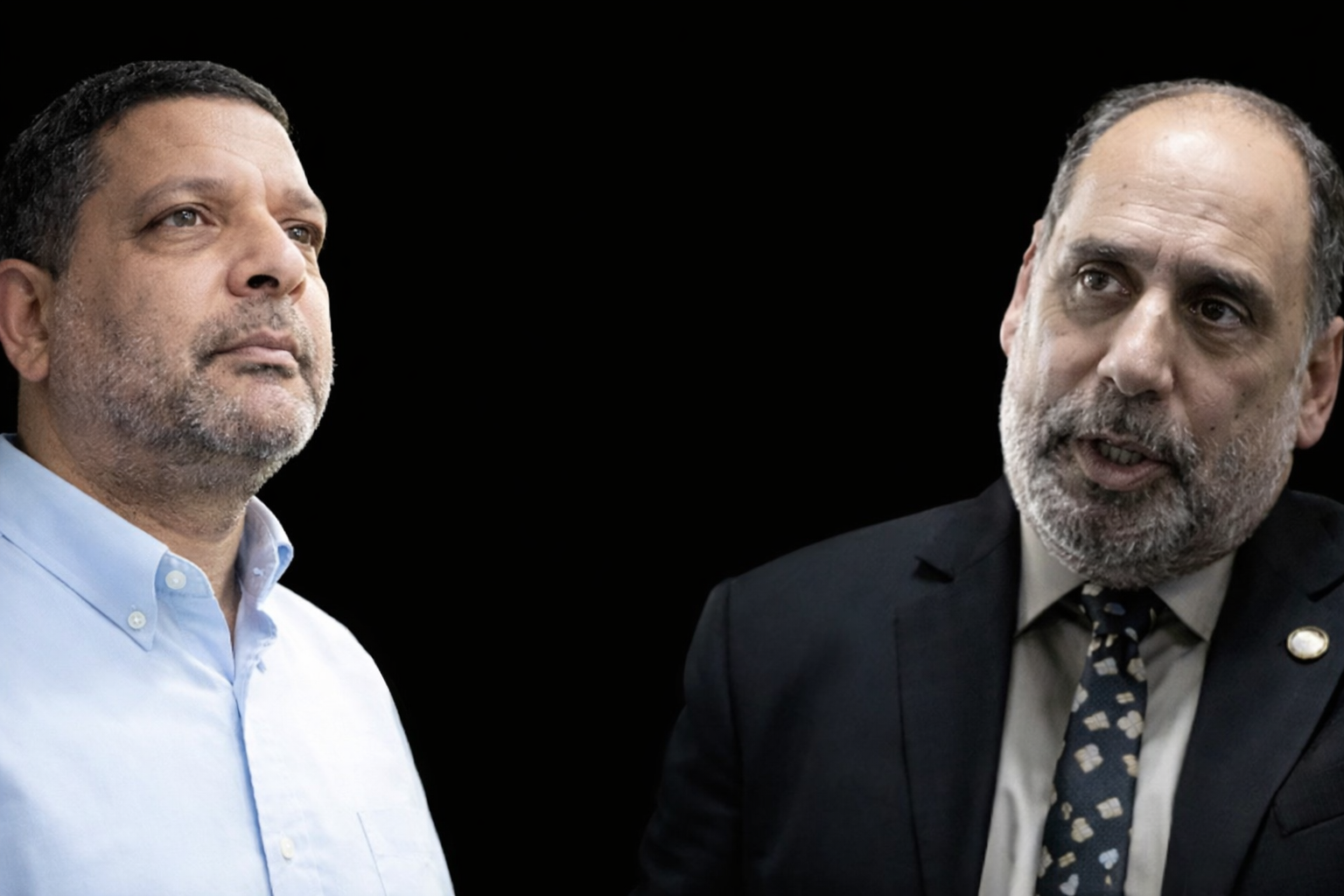
In a stunning development that has sent ripples through South Africa’s law enforcement agencies, two high-ranking police generals and a civilian have been arrested in connection with a R250,000 gold bust at OR Tambo International Airport. The arrests, which took place on Saturday, May 10, 2026, are the culmination of an intensive investigation into high-level corruption and the illicit trade of precious metals.
The suspects have been identified as Feroz Khan, the head of Crime Counter-Intelligence, and Major-General Ebrahim Kadwa, who leads the elite Hawks unit in Gauteng. Their apprehension marks a significant moment in the fight against corruption, as it implicates individuals at the very top of the country’s crime-fighting machinery. The South African Police Service (SAPS) has confirmed the arrests, stating that they are linked to allegations of illicit precious metals transactions, corruption, and other related offences.
The gold bust at OR Tambo International Airport, valued at a quarter of a million rand, initially raised eyebrows. However, the subsequent arrests of such senior police officials have turned the spotlight firmly on the pervasive issue of corruption within state institutions. These are the very individuals entrusted with upholding the law and protecting citizens, yet they now stand accused of being part of the criminal underworld they were sworn to dismantle. This betrayal of public trust is not merely a setback; it represents a profound crisis of confidence for ordinary citizens who rely on the police for their safety and security.
Sources close to the investigation reveal that the operation has been meticulously planned, targeting a sophisticated network involved in the smuggling of gold. The involvement of top police brass suggests a deep-seated problem, where those meant to be guardians of justice are allegedly facilitating criminal enterprises for personal gain. This betrayal of public trust is likely to erode confidence in the police force and fuel public anger, potentially leading to calls for widespread reforms and a complete overhaul of internal oversight mechanisms. The implications for national security are also significant, as counter-intelligence and elite crime-fighting units are now under suspicion.
The charges against the trio are expected to include corruption, fraud, and money laundering, alongside the illicit dealings in precious metals. These are serious allegations that carry hefty penalties, and their appearance in court is anticipated to draw significant public and media attention. The legal proceedings will undoubtedly shed more light on the intricate details of the alleged syndicate and the extent of their operations, potentially exposing other high-profile individuals involved in similar illicit activities. The public will be keen to see if justice is truly blind, regardless of rank or influence.
For years, South Africa has grappled with the scourge of corruption, with numerous reports highlighting its detrimental impact on the economy and social fabric. This latest incident at OR Tambo, a major international gateway, underscores the vulnerability of the country’s borders to organised crime and the urgent need for robust measures to combat it. The fact that police generals are implicated suggests that the rot may run deeper than previously imagined, posing a severe challenge to national security and economic stability. It also raises questions about how long such activities have been ongoing and how many other officials might be involved.
The Hawks, under Major-General Kadwa’s leadership in Gauteng, are supposed to be at the forefront of tackling serious organised crime, economic crime, and corruption. The arrest of their provincial head on such charges is a profound embarrassment for the unit and the SAPS as a whole. It raises uncomfortable questions about internal oversight mechanisms and the effectiveness of vetting processes for high-ranking officials. This incident could severely hamper the Hawks' credibility and operational effectiveness, making it harder for them to gain public cooperation in future investigations.
The civilian arrested alongside the generals is believed to be a key player in the illicit precious metals network, acting as a link between the criminal elements and their alleged protectors within the police force. This highlights the complex nature of such syndicates, which often involve a web of individuals from various sectors, making them incredibly difficult to infiltrate and dismantle. The investigation will likely seek to unravel these connections, tracing the flow of illicit gold and money to expose the full extent of the criminal enterprise.
As the investigation unfolds, there will be intense pressure on authorities to ensure a thorough and transparent process. The public will be watching closely to see if justice is served, regardless of the rank or position of those involved. This case has the potential to be a watershed moment, either reinforcing public cynicism about corruption or demonstrating a genuine commitment to cleaning up the police force and restoring faith in the rule of law. The coming weeks will be crucial as more details emerge from this high-stakes drama, revealing the full extent of the alleged criminal enterprise and its impact on the nation. The outcome of this case could redefine the public's perception of law enforcement in South Africa for years to come