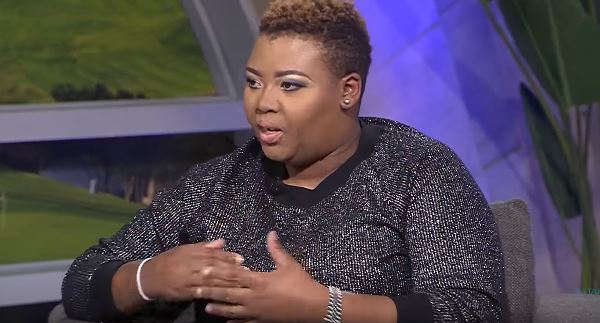
Radio and television personality Anele Mdoda has found herself at the centre of a legal storm after being dragged to the Commission for Conciliation, Mediation and Arbitration (CCMA) by her former domestic worker. The dispute, which has sent ripples through the South African entertainment industry, concluded with a substantial settlement agreement, marking a significant victory for the rights of domestic workers in the country.
The former helper, identified as Florence, took the 947 breakfast show host to the labour tribunal following a breakdown in their employment relationship. According to documents seen by the media, the settlement agreement stipulates that Mdoda is required to pay Florence a total of R90,000
. The agreement, which was reportedly finalised recently, outlines a structured payment plan, with an initial sum of R20,000 to be paid into Florence's bank account, followed by subsequent instalments
.
While the specific details leading to the CCMA referral remain partially obscured by the confidentiality often associated with such settlements, the case highlights the increasing accountability faced by high-profile employers in South Africa. Mdoda, known for her outspoken nature and advocacy for various social causes, now faces public scrutiny over her own employment practices.
A Public Figure Under Scrutiny
Anele Mdoda is one of South Africa's most recognisable media figures, with a career spanning over a decade in radio and television. Her show, Anele and the Club on 947, is a staple for many Johannesburg commuters, and her television appearances have solidified her status as a "media queen." However, this recent legal battle has cast a shadow over her public persona.
The settlement comes at a particularly sensitive time for Mdoda. Her husband, Bonelela "Buzza" Mgudlwa, has recently been embroiled in a separate legal controversy. In April 2026, reports emerged that the Special Investigating Unit (SIU) had successfully obtained an order from the Special Tribunal for Mgudlwa and his business partner to repay over R14 million linked to a controversial Covid-19 PPE tender .
The timing of these two legal matters has led to a surge of commentary on social media, with many South Africans questioning the ethical standards within the Mdoda-Mgudlwa household. While Mdoda has previously used her platform to speak out against corruption and unfair labour practices, critics are now pointing to the irony of her own legal entanglements.
The Broader Context: Domestic Worker Rights in South Africa
The victory for Florence is seen as a landmark moment for the domestic worker sector, which has historically been one of the most vulnerable and under-regulated areas of the South African economy. Despite the introduction of the National Minimum Wage and various legislative protections, many domestic workers continue to face exploitation and unfair treatment.
According to recent data, the CCMA adjudicates thousands of cases in the domestic worker sector annually. In the period from April 2021 to March 2022 alone, the commission handled over 1,215 cases in this sector. These disputes often involve allegations of unfair dismissal, unpaid wages, and lack of compliance with statutory requirements such as Unemployment Insurance Fund (UIF) contributions.
The rights of domestic workers have been further strengthened by recent judicial rulings. In 2021, the Constitutional Court ruled that domestic workers must be included in the Compensation for Occupational Injuries and Diseases Act (COIDA), allowing them to claim for injuries or diseases sustained at work. This was a major step forward in ensuring that these workers have the same protections as those in other sectors.
The Impact of High-Profile Cases
When celebrities like Anele Mdoda are involved in labour disputes, it often serves to raise public awareness about the rights of workers and the responsibilities of employers. In South Africa, the relationship between domestic workers and their employers is often complex, sometimes described as "part of the family," which can lead to a blurring of professional boundaries.
However, the CCMA process is designed to ensure that these relationships are governed by the law, regardless of the status of the employer. The R90,000 settlement in Florence's case sends a clear message that the labour laws of South Africa apply to everyone, including the country's most famous personalities.
Labour experts suggest that high-profile cases like this can encourage other domestic workers who may be facing similar challenges to seek help through the appropriate channels. "It's about dignity and respect in the workplace," says one labour consultant. "No matter who your employer is, you have the right to fair treatment and to be compensated according to the law."
Moving Forward: Accountability and Transparency
As the details of the settlement continue to circulate, the focus remains on the importance of transparency and accountability. For Anele Mdoda, the challenge will be to navigate the public relations fallout while fulfilling the terms of the settlement. For the broader South African public, the case serves as a reminder of the ongoing struggle for workers' rights and the power of the country's labour institutions.
The CCMA has once again demonstrated its role as a vital arbiter in South African society, providing a platform for even the most vulnerable workers to hold their employers accountable. As Florence begins to receive her settlement, her case stands as a testament to the fact that in the eyes of the law, every worker's contribution is valued, and their rights are non-negotiable.