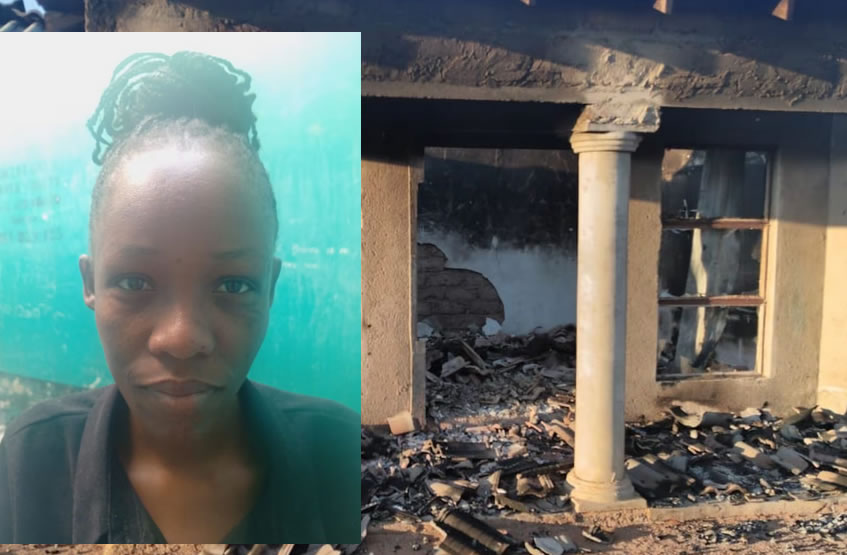
In a harrowing case that highlights the destructive nature of rage and jealousy, a 27-year-old woman from Limpopo has been sentenced to seven years in prison for setting fire to her ex-boyfriend's home. The incident, which took place in Steve Biko Phase 4, Villa Nora, in July of last year, left the victim's property extensively damaged and serves as a stark reminder of the dangers of unchecked emotions.
Meriam Tutje's violent outburst began in the early hours when she arrived at her former partner's house. Facing rejection, Tutje knocked at the door repeatedly. When her ex-boyfriend did not respond, she took matters into her own hands, breaking windows in a fit of rage. As a result, she gained access to the house and, in a catastrophic decision, set it ablaze.
The victim, awakened by the noise, quickly realised the situation and sought help from neighbours. Tragically, by the time assistance arrived, it was too late; the fire consumed the home, resulting in severe destruction. The total damage has been estimated at R520,000, covering both the property and personal belongings that were lost in the inferno.
Colonel Malesela Ledwaba, a spokesperson for the provincial police, emphasised the severity of the incident and its consequences. "The victim's house and belongings were extensively damaged," he remarked, underlining the significant financial and emotional toll of such destructive actions.
The investigation into the fire was led by Sergeant George Lebudi of the Villa Nora detectives, whose commitment and meticulous approach were pivotal in securing a conviction against Tutje. "The case was assigned to investigating officer Sgt George Lebudi, whose dedication and thorough handling of the case ensured a successful conviction," Ledwaba noted.
This incident is not isolated; it reflects a worrying trend of escalating domestic disputes resulting in violence. In recent months, numerous cases have surfaced across South Africa, where jealousy and unresolved conflicts between former partners have led to tragic consequences. The government has introduced various strategies and awareness campaigns aimed at reducing domestic violence, but incidents like Tutje’s highlight the continuing challenges in effectively addressing these issues.
As this case unfolded in court, the presiding magistrate made it clear that such acts of anger would not go unpunished. "The sentencing sends a strong message that acts of violence and destruction of property will not be tolerated," Ledwaba stated, calling for a collective responsibility to combat the cycle of violence that affects many communities.
For victims of domestic disputes, this case serves as a reminder to seek help and support, rather than resorting to violence. Numerous organisations in South Africa provide resources for those affected by domestic violence, including counselling services and legal assistance. It is crucial for individuals in similar situations to understand that there are healthier ways to resolve conflicts without resorting to destruction.
As Meriam Tutje begins her sentence, the community reflects on the broader implications of her actions. The aftermath of her destructive choice serves not only as a cautionary tale but also as an urgent call for discussions surrounding emotional well-being and conflict resolution among young people in South Africa.
This incident in Villa Nora illustrates the tragic consequences of jealousy and rage. It highlights the urgent need for societal intervention to prevent similar occurrences in the future, promoting more constructive means of dealing with relationship challenges. As the dust settles around this trial, it leaves many pondering how to foster healthier relationships and address the underlying issues that can lead to such devastating outcomes.