

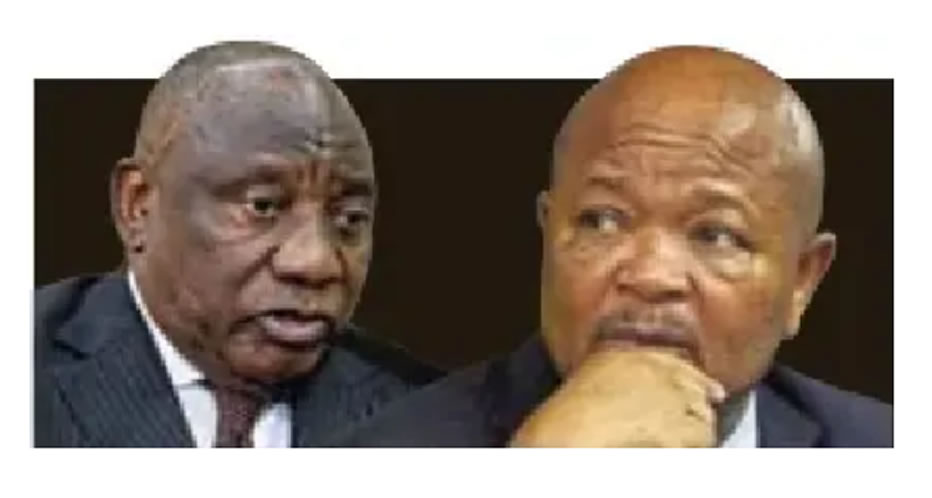
In a stunning revelation that has laid bare deep fractures within the highest echelons of South Africa's government, President Cyril Ramaphosa has vehemently denied approving the disbandment of the National Political Killings Task Team (PKTT). This explosive denial comes amid a surge of political assassinations, particularly in the volatile KwaZulu-Natal (KZN) province, raising urgent questions about who is truly pulling the strings in the nation's security apparatus.
The controversy erupted following explosive testimony before Parliament's Ad Hoc Committee. National Police Commissioner Fannie Masemola had previously claimed that President Ramaphosa agreed with him on the gradual dismantling of the PKTT.
However, Ramaphosa has now submitted written submissions to the committee, unequivocally stating, "I did not approve". He further clarified that he was dissatisfied with the decision and was neither consulted nor gave his blessing for the shutdown of this critical unit.
This high-stakes political drama is unfolding against a backdrop of relentless violence. The PKTT was established to curb the rampant political assassinations that have plagued South Africa, with KZN being the epicentre. According to the Moerane Commission Report, KZN has long been a hotspot for political killings, a grim reality that has only intensified in recent years.
In 2023 alone, a staggering 61% of the country's 31 political killings occurred in this province.
The disbandment of the PKTT, a unit that had seen some success in securing arrests and convictions, has been heavily criticised. Deputy National Commissioner Lt Gen Mosikili described the disbandment as "haphazard," further highlighting the chaotic nature of the decision.
Adding fuel to the fire, explosive testimony from KZN Police Commissioner Nhlanhla Mkhwanazi suggested that former Police Minister Senzo Mchunu was "captured" into disbanding the task team, pointing to forensic evidence allegedly tying Mchunu to the controversial move.
The implications of this internal government friction are profound. With the President publicly contradicting his top police officials, the fight against political violence appears compromised.
The history of political killings in KZN is a dark stain on the nation's democratic fabric. From the bloody lead-up to the 1994 elections to the ongoing targeted assassinations of councillors and whistleblowers, the province has seen too much bloodshed. The deliberate killing of political figures not only destabilises local governance but also instils a pervasive climate of fear.
As the Ad Hoc Committee continues its hearings, the public is left wondering who is accountable for the dismantling of the PKTT. Ramaphosa's firm stance that he did not approve the disbandment places the spotlight squarely on the police leadership and former ministers. The ongoing political tension and the very real human drama playing out in KZN demand immediate and transparent action. Until the true motives behind the PKTT's disbandment are uncovered and a robust strategy to combat political killings is reinstated, the spectre of violence will continue to haunt South Africa's political landscape.