

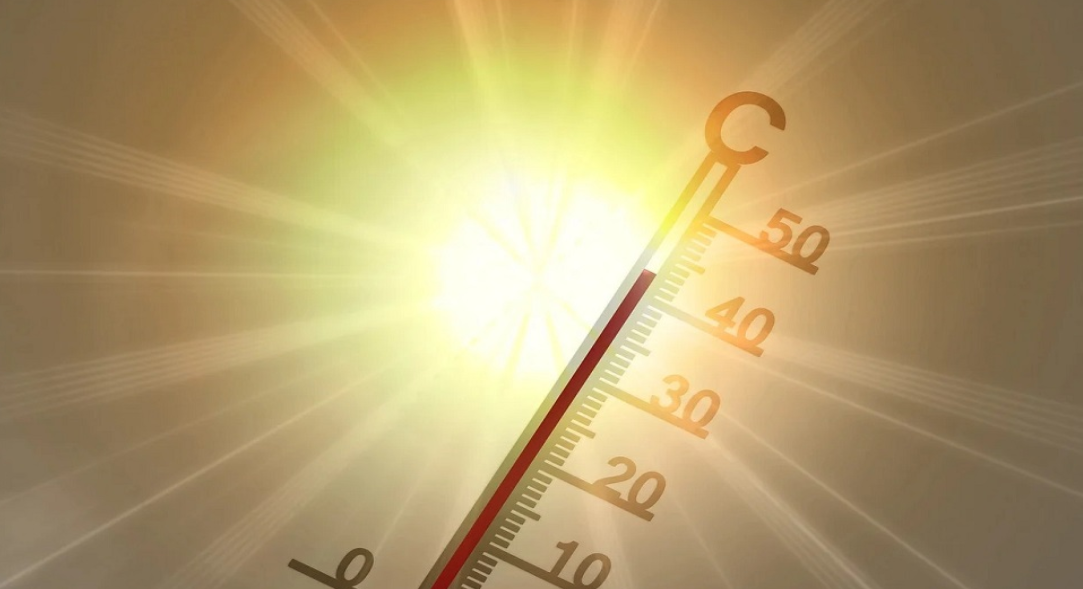
In what is being described as a "once-in-a-century" weather event, the Western Cape and Namakwa regions of South Africa have been gripped by a blistering heatwave that has shattered multiple temperature records. The South African Weather Service (SAWS) has issued several "red alerts" as the mercury soared to unprecedented levels, leaving residents and authorities scrambling to cope with the extreme conditions.
The highest reading recorded so far was a staggering 44.8°C in Vredendal, a small town in the Olifants River Valley. This temperature is not only the highest recorded this year but has also surpassed previous March records by a significant margin. For the people of Vredendal, the heat was described as "suffocating," with many staying indoors and using any means possible to stay cool. The heatwave has also hit Cape Town particularly hard, with temperatures in some suburbs reaching as high as 42.1°C, a figure that is more than 10°C above the historical average for this time of year.
The impact of this "hell on earth" scenario has been felt across all sectors of society. In the agricultural heartlands of the Western Cape, farmers are reporting significant crop damage, particularly in the wine and citrus industries. The extreme heat has caused fruit to "sunburn" on the trees, leading to a potential loss of millions of rands in export revenue. "We've never seen anything like this in March," says wine farmer Pieter van der Merwe. "The grapes are literally shrivelling on the vine. It's a disaster for the industry."
Public health officials have also raised the alarm, as hospitals in the region have seen a surge in heat-related admissions. Cases of heatstroke, dehydration, and respiratory issues have increased dramatically, particularly among the elderly and young children. The provincial health department has urged residents to drink plenty of water, avoid direct sunlight during peak hours, and check on vulnerable neighbours. "This heat is deadly," warns Dr. Nomsa Cele, a public health specialist. "We are seeing people collapsing in the streets from heat exhaustion. It's a critical situation."
The infrastructure of the Western Cape has also been pushed to its limits. The increased demand for air conditioning and refrigeration has put a massive strain on the power grid, leading to localized outages in some areas. Furthermore, the risk of wildfires has skyrocketed, with several small blazes already reported in the Cape Winelands and the Peninsula. Firefighting teams are on high alert, but the combination of extreme heat and dry conditions makes their job incredibly dangerous.
The economic impact of the heatwave is also a major concern. The loss of agricultural productivity, combined with the increased costs of healthcare and emergency services, will likely have a long-term effect on the provincial economy. Tourism, a vital sector for the Western Cape, has also taken a hit as visitors avoid outdoor activities and some attractions are forced to close due to the heat. "The streets of Cape Town are eerily quiet," says local tour operator Sipho Mabaso. "Nobody wants to be outside in 40-degree heat. It's like a ghost town."
Climate scientists are pointing to this record-breaking heatwave as another clear sign of the accelerating climate crisis. "What we are seeing is not just a 'hot spell,'" says Professor Mark New, a leading climate expert. "This is a direct result of global warming, and these types of extreme weather events are going to become more frequent and more intense. We need to start adapting our infrastructure and our lives to this new reality."
As the heatwave continues to bake the Western Cape, residents are left wondering when they will see some relief. While the weather service has predicted a slight cooling trend in the coming days, the damage has already been done. Records have been shattered, lives have been disrupted, and the "hell on earth" of March 2026 will be remembered for years to come. It's a stark reminder of the power of nature and the urgent need for climate action.