

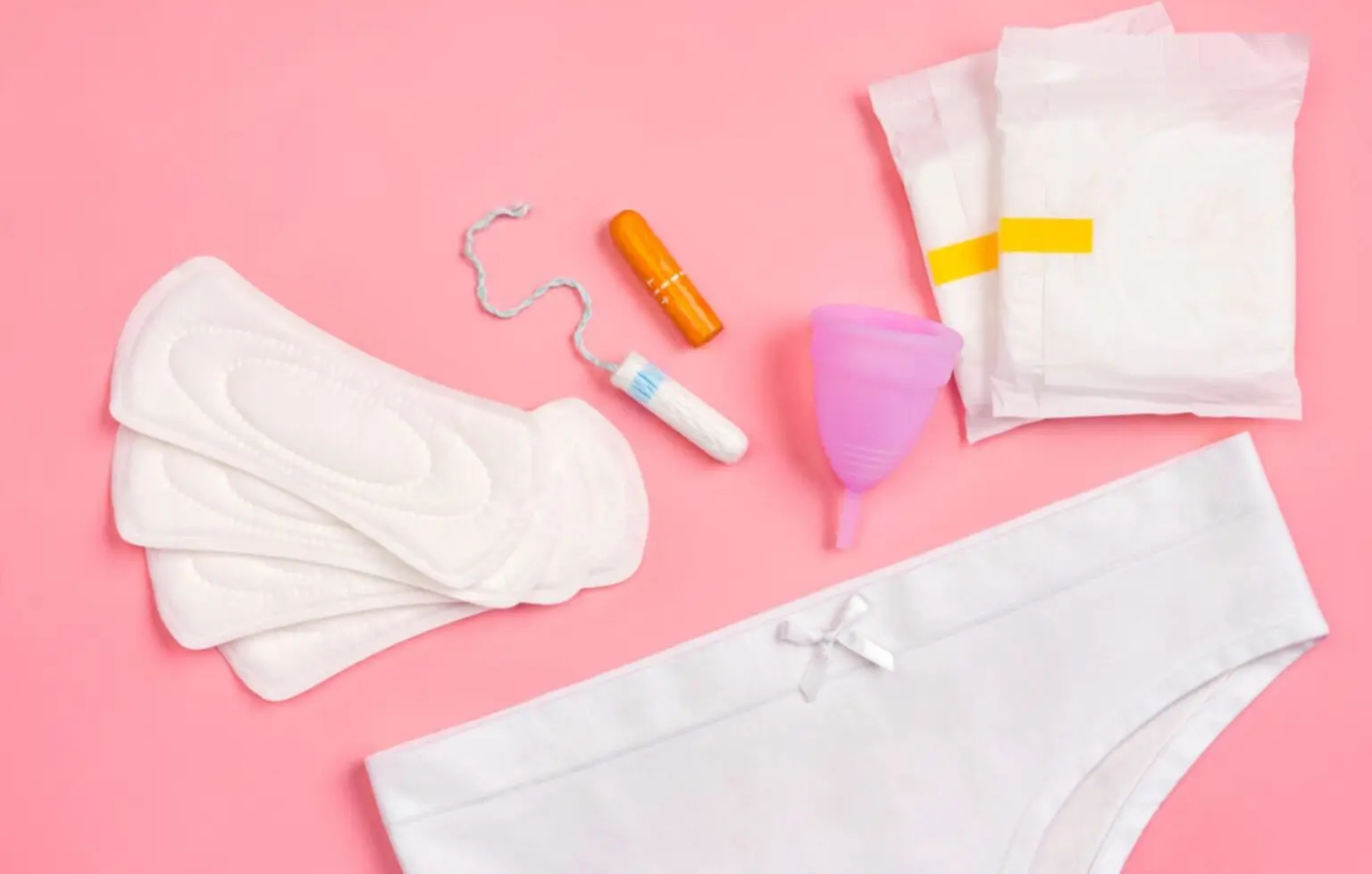
The monthly routine for millions of South African women and girls has suddenly become a source of profound anxiety. For decades, the choice of a sanitary pad or pantyliner was a simple matter of comfort, price, and brand loyalty. However, a landmark study from the University of the Free State (UFS) has recently pulled back the curtain on a hidden reality that many would prefer to remain in the shadows. The research, published in the prestigious peer-reviewed journal Science of the Total Environment in February 2026, has revealed the presence of endocrine-disrupting chemicals (EDCs) in 16 of the most popular menstrual products sold across the nation.
These chemicals—specifically phthalates, bisphenols, and parabens—are not mere industrial footnotes. They are substances known to interfere with the body's delicate hormonal systems, with potential links to cancer, infertility, endometriosis, and various hormonal imbalances. What makes these findings particularly unsettling is that the toxins were detected even in products marketed as being "free from harmful chemicals" or "organic." This discovery has exposed what experts are calling a "regulatory black hole" in South Africa's health standards, where menstrual products are often poorly monitored compared to the stringent oversight applied to food or medicine.
The reaction from the highest levels of government was swift, though perhaps not in the way many concerned citizens had hoped. On March 08, 2026, Health Minister Dr Aaron Motsoaledi held a press conference in Pretoria to address the growing public unease. His message was one of firm reassurance, aimed at de-escalating the situation before it could spiral into a full-blown national crisis.
"The most important take away message for today is that endocrine disrupting chemicals are said to be ubiquitous in science. This is a very difficult way, difficult to pronounce, ubiquitous. It means they are present, appearing or found everywhere. Everywhere where there are human beings, these chemicals are ever present," Motsoaledi stated during the briefing.
The Minister went on to explain that these substances are found in everything from toothpaste and shampoo to clothing and electronics. He insisted that the levels detected in the UFS study were "low" and "clinically insignificant," concluding that "sanitary products remain safe to use" and that there was "no indication for a need to recall" any items from the shelves. He further noted that the World Health Organisation (WHO) was not aware of any global cases that had resulted in the recall of sanitary products due to EDCs.
However, for many independent experts and consumer advocates, this "ubiquity" argument feels like a convenient shield for corporate interests. While it is true that EDCs are found in many household items, the unique nature of menstrual product use creates a different kind of risk. Unlike a lotion that is applied to the skin or a garment worn over it, sanitary pads are held in close, prolonged contact with one of the most absorbent and sensitive parts of the human body. The UFS researchers have raised the alarm about "cumulative exposure"—the reality that a woman may use these products for several days every month for 30 or 40 years of her life.
The University of the Free State, in its official position statement released on February 27, 2026, clarified the scope of its work. While the university affirmed the scientific integrity and credibility of the research, it noted that the study was an in vitro laboratory detection study and did not involve testing on human subjects.
"The research does not claim that short-term use of menstrual products causes specific health conditions. Similarly, the study was not designed to establish a direct causal relationship between the detected chemicals and diseases in women," the UFS statement read.
Despite this cautious academic tone, the university emphasised that the study identifies an important knowledge gap and highlights the need for greater transparency regarding chemical composition in consumer products. The research team, which included experts in chemistry, microbiology, and biochemistry, pointed out that the current regulatory standards may not be consistent with the latest scientific evidence regarding long-term chemical exposure.
The National Consumer Commission (NCC) has not been as quick as the Health Ministry to dismiss the concerns. On February 24, 2026, the NCC initiated a priority investigation into nine major suppliers whose products were featured in the UFS study. The list reads like a "who's who" of the South African personal care market: Kimberly-Clark (Kotex), Procter & Gamble (Always), Anna Organics, Lion Match Company (Comfitex), Here We Flo (Flo), Johnson & Johnson (Stay Free), Premier Group (Lil-lets), Essity (Libresse), and My Time.
The acting commissioner of the NCC, Mr Hardin Ratshisusu, stated that the investigation aims to assess whether these suppliers are in compliance with the Consumer Protection Act (CPA). Under Sections 55 and 24 of the CPA, consumers have a fundamental right to receive goods that are of good quality, free of defects, and reasonably suitable for their intended purposes.
"The findings of the study raise serious concerns affecting women and girls that warrant an investigation, making this a priority investigation. The affected suppliers will be allowed to respond to the concerns as part of the investigation before the NCC determines the matter," Ratshisusu said.
The investigation asks a difficult question: who is the government really protecting? Is it the millions of women and girls who rely on these products, or is it the multi-billion-rand corporations that dominate the market? There is a growing theory among critics that cheaper manufacturing processes, often imported from unregulated or less-stringent international markets, are being prioritised over the health of South African consumers. By downplaying the UFS findings, the Health Ministry may be inadvertently shielding a system that allows corporate greed to meet government negligence.
The "safe levels" quoted by the government are often based on outdated data that does not account for the specific ways in which menstrual products are used. Independent reports from international environmental health organisations, such as the Women's Environmental Network (WEN) in the UK, have suggested that for certain EDCs, there may truly be "no safe levels" when considering the long-term impact on the human endocrine system.
This is not the first time that the safety of menstrual products has come under fire globally. In 2023, the popular period underwear brand Thinx reached a multi-million-dollar settlement in the United States following a class-action lawsuit. The lawsuit alleged that the products, which were marketed as a safe and sustainable alternative to traditional pads, contained harmful "forever chemicals" known as PFAS. Although Thinx denied any wrongdoing, the incident served as a wake-up call for consumers worldwide about the lack of transparency in the industry.
In South Africa, the political pressure is also mounting. On February 23, 2026, the Democratic Alliance (DA) formally requested the NCC to investigate the contaminated products. This was followed by a call from the Department of Women, Youth and Persons with Disabilities on March 01, 2026, for greater transparency and regulatory assurance. They argued that menstrual hygiene is a matter of basic human rights and that women deserve to know exactly what is in the products they are putting against their bodies.
Dr Richard Brown, a representative from the WHO in South Africa, joined Minister Motsoaledi at the Sunday press conference to offer a global perspective. He stated that "there is no clear evidence of harm from these products" and that the issue of EDCs is a global challenge that requires ongoing surveillance. While this may be technically true from a broad public health standpoint, it offers little comfort to an individual woman wondering if her chronic hormonal issues or struggles with fertility are linked to the very products she was told were safe.
The science of EDCs is complex, but the core issue is simple. These chemicals can mimic natural hormones like estrogen, "tricking" the body and disrupting its internal communication. Over decades of use, these small disruptions can add up. This "cumulative exposure" is the hidden danger that critics say the government is choosing to ignore in favour of maintaining market stability.
As the NCC continues its investigation and the UFS researchers push for more clinical enquiry, the conversation around menstrual health in South Africa has changed forever. The "regulatory black hole" has been exposed, and the public is now demanding more than just reassurances. They are demanding transparency, updated safety standards, and a government that puts the health of its citizens before the profits of the powerful.
For now, the message from the Ministry of Health remains: "Relax, your pads won't hurt you." But as more details emerge about the hidden chemicals in these essential products, many South African women are finding it increasingly difficult to take that advice at face value. This isn't just a health scare; it's a potential national crisis hidden in plain sight, and the truth is only just beginning to surface.