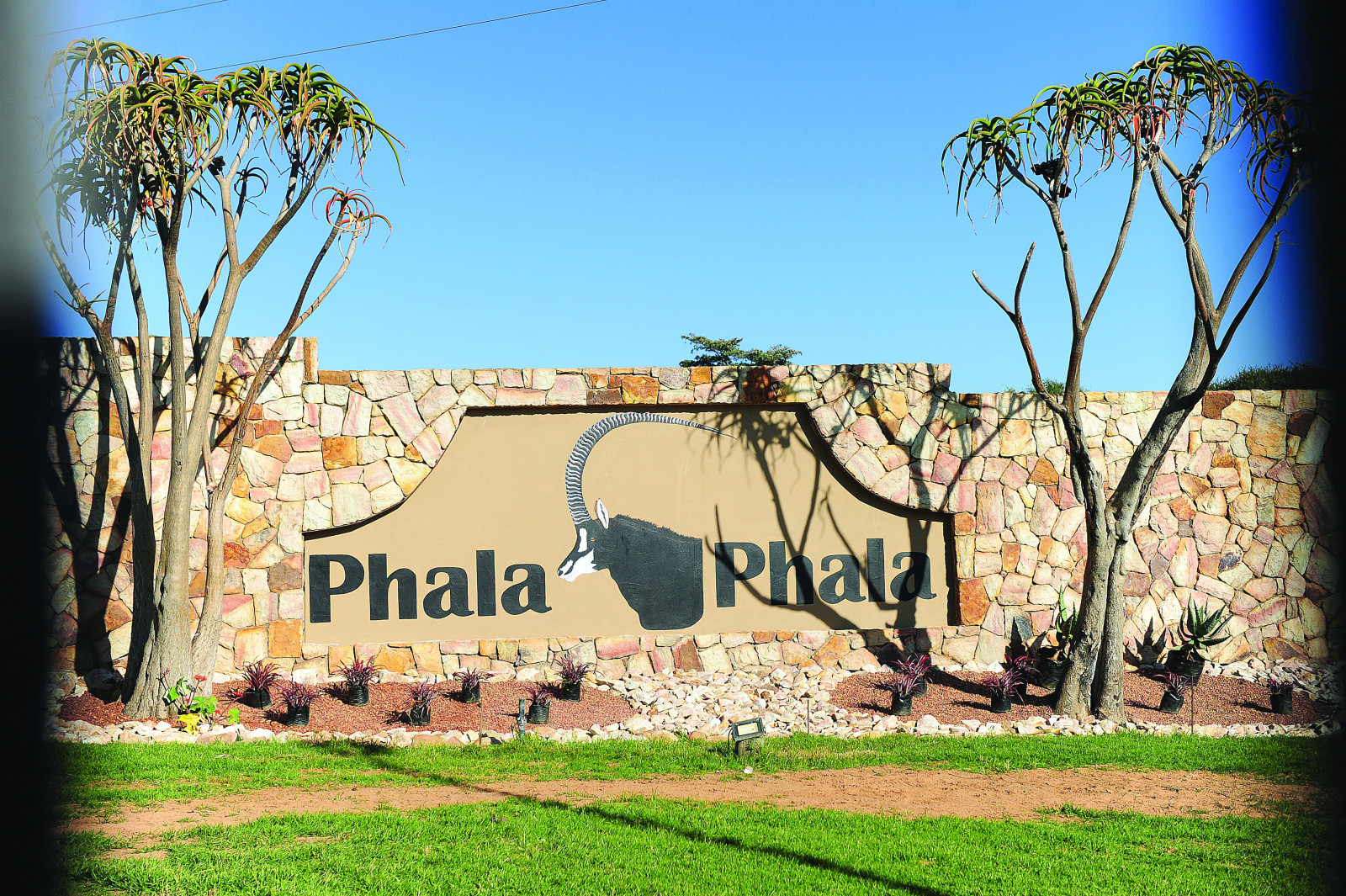
Pretoria, South Africa – After months of relentless pressure, particularly from opposition party ActionSA, the Independent Police Investigative Directorate (IPID) has officially declassified its report into the infamous Phala Phala farm scandal. This move was initially hailed as a victory for transparency and accountability. However, the jubilation was short-lived, as it quickly emerged that despite its declassification, the report remains inaccessible to the public, locked away behind bureaucratic barriers. This perplexing situation has ignited a fresh wave of outrage, with critics questioning the true intent behind a declassification that offers no public disclosure.
The Phala Phala scandal, which involves allegations of money laundering, kidnapping, and a cover-up surrounding the theft of foreign currency from President Cyril Ramaphosa’s farm, has been a persistent thorn in the side of the current administration. The IPID investigation was crucial in shedding light on the conduct of police officials allegedly involved in the handling of the theft. ActionSA has been at the forefront of demanding the report’s release, even preparing legal papers to challenge its “Top Secret” status as unconstitutional.
The declassification announcement was made by the Minister, who, however, clarified that IPID reports “are not for public consumption” and can only be accessed through formal legal channels. This statement has been met with widespread condemnation, with ActionSA arguing that a declassified report that cannot be seen by the public is a contradiction in terms and defeats the very purpose of transparency. The party has vowed to continue its fight for the full and unredacted release of the document, asserting that the public has a right to know the findings of an investigation into such a high-profile matter involving the Head of State.
The argument put forth by the authorities is that while the report is no longer classified, its contents may still be subject to other legal restrictions, such as those protecting ongoing investigations or the privacy of individuals. However, for many, this explanation rings hollow, especially given the intense public interest and the serious nature of the allegations. The perception is that the government is employing legal technicalities to avoid full disclosure, thereby perpetuating the cloud of suspicion that has hung over the Phala Phala affair.
The implications of this restricted declassification are significant. It undermines public trust in state institutions and their commitment to transparency. It also raises questions about the effectiveness of oversight bodies like IPID if their findings, even when declassified, can be withheld from the very public they are meant to serve. The incident highlights the ongoing struggle in South Africa to balance national security concerns and legal protocols with the fundamental principles of open governance and accountability.
Political analysts suggest that the government’s reluctance to release the report fully could be an attempt to manage the political fallout ahead of upcoming elections. The Phala Phala scandal has been a potent weapon for opposition parties, and a full disclosure, depending on its contents, could either exonerate or further implicate President Ramaphosa and his administration. The current approach, however, risks alienating the public further, who may interpret the secrecy as an admission of guilt or an attempt to conceal uncomfortable truths.
ActionSA’s unwavering stance on this issue reflects a broader demand from civil society for greater transparency in government. The party’s appeal against IPID’s initial decision to classify the report has now shifted to a demand for its immediate and complete unsealing. They argue that any redactions must be minimal and justifiable, and that the report should be made available for public scrutiny without further delay.
As the legal and political battles continue, the Phala Phala report remains a symbol of the ongoing fight for transparency in South Africa. The declassification, while a step in the right direction, has proven to be a hollow victory for those seeking answers. The true test of accountability will come when the full contents of the report are finally laid bare for all to see, allowing the public to form their own conclusions about one of the most controversial political sagas in recent South African history.