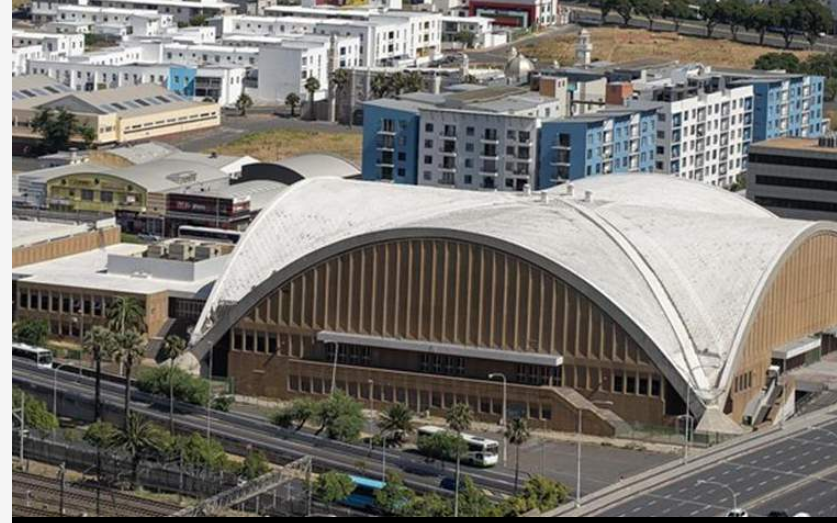
Cape Town, South Africa – An audacious bid of R135 million by a Nigerian mega-pastor for Cape Town’s iconic Good Hope Centre has ignited a fervent debate, blending religious fervour with civic concern. The move has sparked both excitement among some congregants and apprehension among city officials and residents, raising questions about the future of the historic venue and the transparency of the acquisition process.
The pastor in question, Lazarus Muoka of The Lord’s Chosen Charismatic Revival Movement, has reportedly made the substantial offer for the Good Hope Centre, a landmark building that has served as a versatile exhibition and event space for decades. The news of the bid, widely reported has quickly become a talking point across the city and beyond.
While the pastor’s followers celebrate the potential acquisition as a divine intervention and a significant expansion for their ministry, city authorities and heritage groups have expressed caution. The Good Hope Centre holds considerable historical and cultural significance for Cape Town, and its potential conversion to a purely religious venue has prompted concerns about public access and the preservation of its original purpose.
Sources indicate that the sale process has been fraught with controversy. Initial reports suggested the building had been sold, leading to claims of victory from the pastor’s camp. However, city officials have since clarified that while a bid was made, the sale is not yet finalised and is subject to a mandatory legislative review phase. This review process is crucial for ensuring that all legal and procedural requirements are met, and that the sale is in the best interest of the city and its residents.
The R135 million figure itself has drawn attention, with some questioning the source of such a substantial amount and the implications of foreign religious organisations acquiring key public assets. The debate touches on broader issues of urban development, religious influence in public spaces, and the economic value of heritage sites.
This incident is not isolated in the context of religious organisations seeking to expand their footprint in South Africa. The country has witnessed a rise in the influence of mega-churches and charismatic ministries, often accompanied by significant financial transactions and public interest. The Good Hope Centre bid, however, stands out due to the prominence of the building and the size of the financial offer.
The controversy also highlights the challenges faced by municipalities in managing public assets, especially those with historical value. Balancing the need for revenue generation with the preservation of heritage and public interest is a delicate act, and decisions regarding such sales often attract intense public scrutiny.
As the legislative review phase unfolds, various stakeholders are expected to voice their opinions and concerns. Heritage organisations will likely advocate for the preservation of the building’s original character and public accessibility. Community groups may express views on the socio-economic impact of the sale, while religious organisations will undoubtedly champion the pastor’s vision.
The outcome of this high-stakes bid will set a precedent for future sales of public assets in Cape Town and potentially across South Africa. It will be a test of the city’s commitment to transparent governance, heritage preservation, and balancing diverse public interests. The public awaits a resolution that is not only legally sound but also reflective of the city’s values and aspirations.