

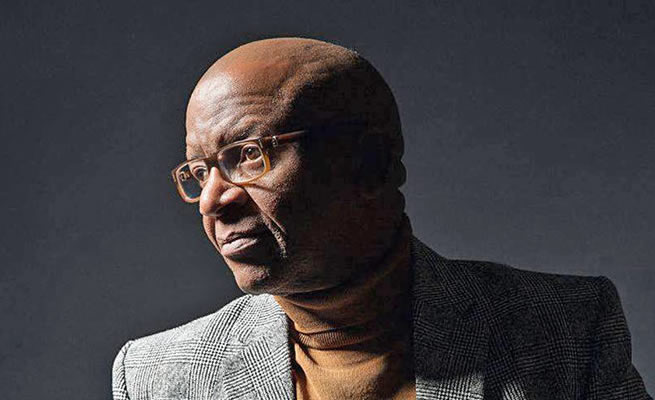
Johannesburg, South Africa – In a legal battle that has captured the attention of both the entertainment and legal worlds, legendary South African composer Lebo M has filed a staggering R330 million (approximately $20 million) lawsuit against Zimbabwean comedian Learnmore Jonasi. The dispute centres on a viral joke Jonasi made regarding the iconic opening chant of The Lion King, “Nants' Ingonyama”. What began as a moment of stand-up comedy has escalated into a high-stakes defamation and intellectual property case, highlighting the delicate balance between creative expression and the protection of cultural and artistic legacy.
Lebo M, the Grammy-winning mastermind behind the music of The Lion King, claims that Jonasi’s joke trivialises and misrepresents a phrase that is deeply rooted in Zulu culture and has become a global symbol of African pride. The chant, which translates to “Here comes a lion,” is more than just a song lyric; it is a profound cultural contribution that Lebo M has spent decades safeguarding. The lawsuit alleges that by turning this iconic line into a punchline, Jonasi has not only defamed Lebo M’s character but has also caused significant damage to his brand and potential business earnings. The R330 million claim reflects the perceived severity of this damage, including allegations of business interference and the potential for the joke to misinform the public about the chant’s true meaning and origin.
The emotional toll of this public dispute is palpable. For Lebo M, The Lion King is a cornerstone of his identity and a testament to his journey as a South African artist who achieved unprecedented global success. To see a core element of his work, a phrase steeped in cultural significance, reduced to a street-style joke, is a deeply personal affront. This case raises broader questions about the boundaries of comedy and satire, particularly when they intersect with cultural heritage and intellectual property. Where does the right to humour end and the responsibility to respect cultural artefacts begin? This is a question the courts will now have to navigate, and its outcome could set a significant precedent for future cases involving cultural commentary and celebrity.
Economically, the lawsuit underscores the immense financial value attached to intellectual property in the modern entertainment industry. The R330 million figure is a stark reminder of the potential losses artists can incur when their work is perceived to be devalued or misrepresented. For Jonasi, a rising star in the comedy world, the lawsuit represents a formidable challenge that could impact his burgeoning career and financial stability. The legal proceedings will be closely watched by the entertainment community, as they grapple with the implications of this case for creative freedom and the legal protection of artistic work. The potential for a significant financial payout, or a landmark ruling on defamation in the age of viral content, makes this one of the most consequential legal battles in recent South African history.
The political dimension of this story lies in the ongoing discourse around cultural appropriation and the representation of African narratives on the global stage. While Jonasi’s joke may have been intended as light-hearted humour, its reception has highlighted the sensitivities surrounding the interpretation of cultural elements, especially when they are commercialised and consumed by a diverse international audience. The case touches upon the dialogue about who has the right to interpret and comment on cultural artefacts and the responsibilities that come with such commentary. In a country like South Africa, where cultural identity is a powerful and often contested terrain, this legal battle resonates with broader themes of respect, representation, and the protection of heritage.
As the legal proceedings unfold, public opinion remains sharply divided. Some view Jonasi’s joke as harmless fun, a common feature of stand-up comedy that should be protected under the banner of creative freedom. Others stand in firm solidarity with Lebo M, arguing that cultural heritage and artistic legacy must be protected from trivialisation and misrepresentation. Regardless of the final verdict, this lawsuit has undoubtedly sparked a crucial conversation about the intersection of humour, culture, and the law. The outcome will not only determine the financial fate of the parties involved but will also contribute to the ongoing debate about the ever-evolving landscape of celebrity, comedy, and intellectual property in South Africa and beyond.