Southern Africa is once again grappling with the devastating aftermath of a powerful tropical cyclone. Cyclone Gezani, a formidable weather system, has carved a path of destruction through Madagascar and Mozambique, leaving behind a tragic toll of human lives and widespread ruin. As the region reels from the impact, neighbouring South Africa watches on with a profound sense of apprehension, acutely aware of the vulnerability that climate change has imposed upon the continent.
The cyclone, which boasted ferocious winds travelling at speeds of up to 215 kilometres per hour, first made its catastrophic presence felt in Madagascar. The island nation, still reeling from the effects of Cyclone Fytia just weeks prior, bore the brunt of Gezani's fury, with its second-largest city, Toamasina, suffering immense damage. The scale of the disaster has prompted urgent calls for international assistance, highlighting the severe limitations faced by nations frequently battered by such extreme weather events.
Madagascar: A Nation Overwhelmed
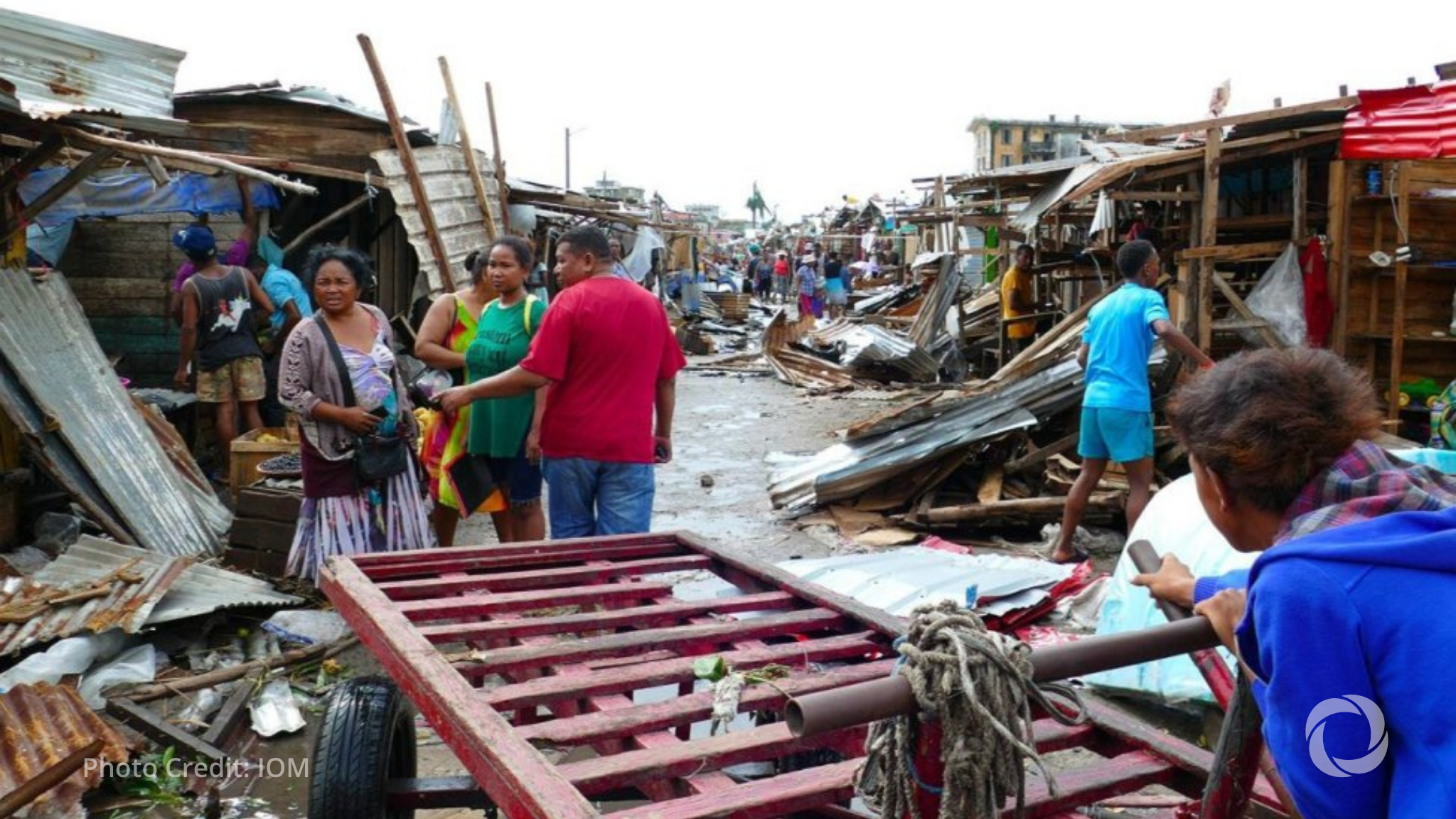
Madagascar, an island renowned for its unique biodiversity, has been plunged into a profound humanitarian crisis following Cyclone Gezani's landfall on 11 February 2026. The storm, classified as a Category 3 tropical cyclone, struck near Toamasina, a vital port city with a population of 400,000. The impact was immediate and brutal. Official reports confirm that 41 people have tragically lost their lives, with at least 427 individuals sustaining injuries across the affected regions. The human cost extends further, with approximately 16,300 people displaced from their homes, though some initial estimates suggested as many as 250,000 people were affected, with 6,800 initially displaced.
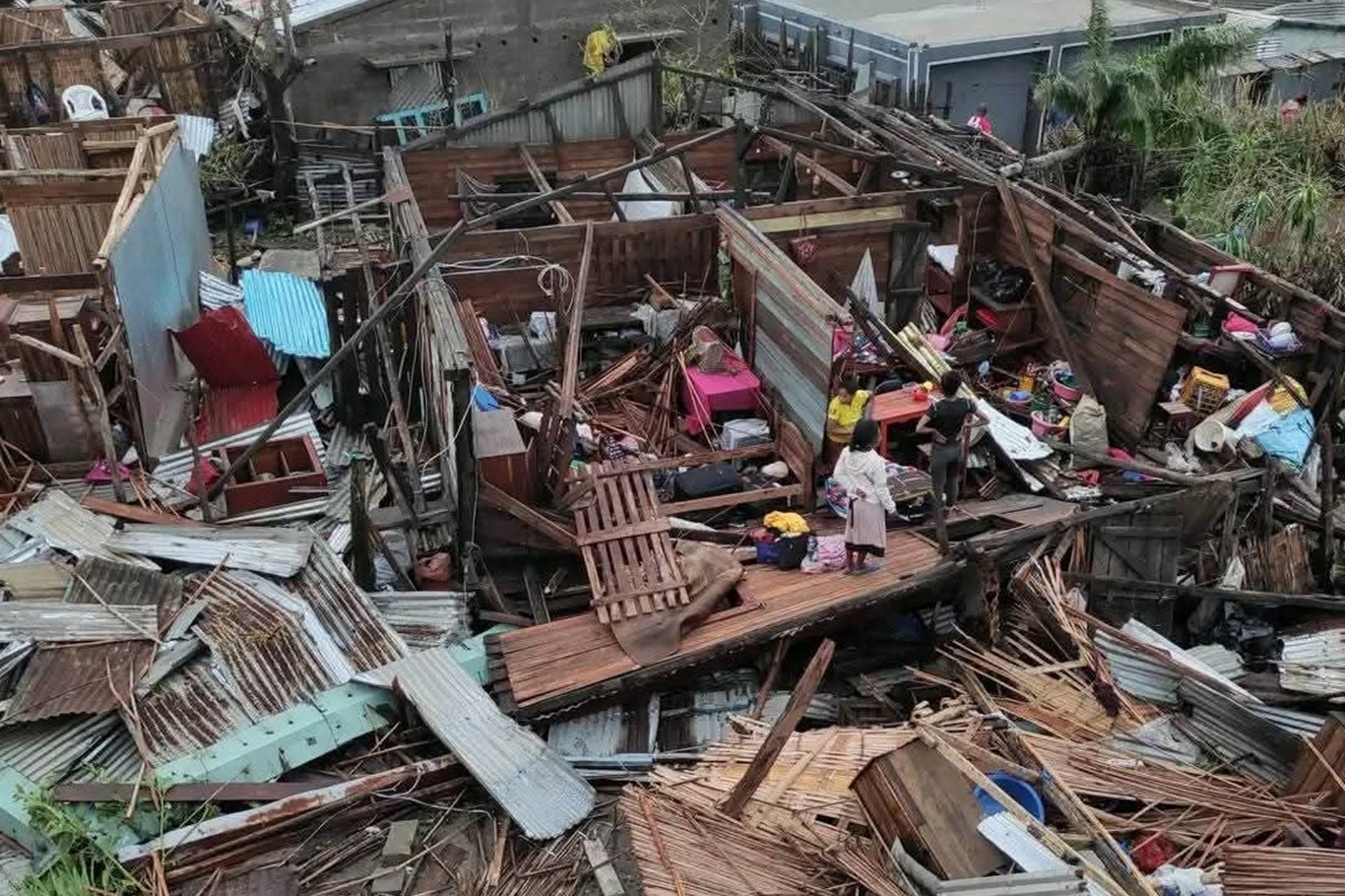
The destruction in Toamasina is particularly stark. Colonel Michael Randrianirina, Madagascar's leader, who assumed power in October, visited the devastated city and described the damage as “overwhelming.” He stated, “The current situation exceeds Madagascar’s capabilities alone,” and issued a plea for “international solidarity.” The city, a bustling hub, now lies largely in ruins, with reports indicating that 75 to 80 per cent of it has been destroyed, with some sources suggesting up to 90 per cent of infrastructure has been obliterated. This includes 11,000 houses flooded and over 54,000 completely destroyed.
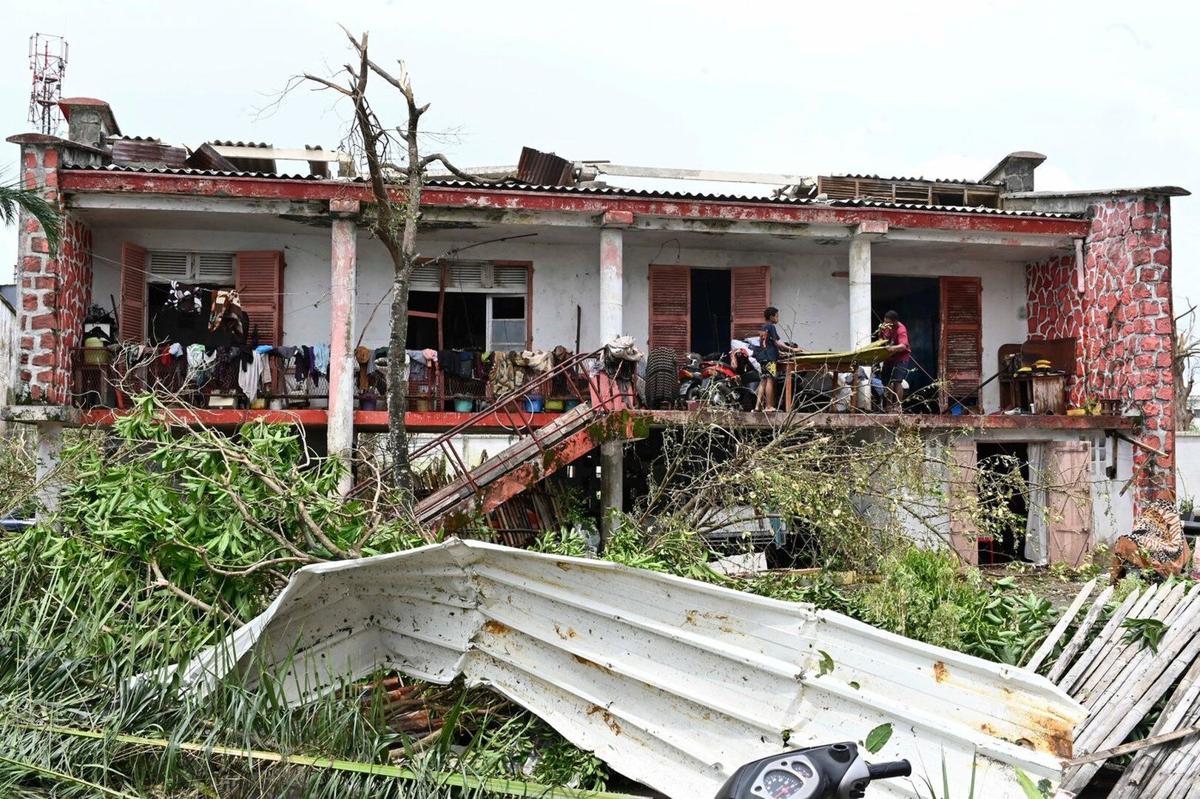
The immediate aftermath has left residents in a desperate state. Tania Goosens, the World Food Programme’s (WFP) Madagascar Director, echoed the gravity of the situation during a press briefing. “The scale of destruction is overwhelming,” she remarked. “The authorities have reported that 80 per cent of the city has been damaged.” Goosens further elaborated on the dire conditions, stating, “The city is running on roughly 5 per cent of electricity, and there is no water.” Even the WFP’s own operations were not spared, with their office and one warehouse also “completely destroyed.” The Madagascan government has since declared a national emergency, with preliminary damage estimates soaring to an estimated $142 million.
The timing of Gezani’s arrival could not have been worse for Madagascar. The island had barely begun to recover from Tropical Cyclone Fytia, which made landfall on 31 January 2026. Fytia had already affected 200,000 people, displaced 31,480, and caused significant damage to housing, infrastructure, and agricultural land, further straining the nation’s already limited resources. The back-to-back cyclones underscore the increasing frequency and intensity of such events in the region, a phenomenon many scientists attribute to the escalating impacts of climate change.
Mozambique: A Familiar Ordeal
Following its destructive passage through Madagascar, Cyclone Gezani continued its westward trajectory, making its presence felt along the southern coast of Mozambique. The nation, no stranger to the wrath of tropical storms, braced itself for impact, particularly in the southern coastal province of Inhambane. The cyclone, still formidable with winds reaching 215 kilometres per hour, brought with it a fresh wave of devastation. Officials have confirmed that four people tragically lost their lives in Mozambique as a direct result of Gezani.
The immediate consequences for Inhambane were severe. The powerful winds brought down countless trees and power lines, plunging over 13,000 people into darkness. Water supplies were also severely disrupted, with several districts within the city of Inhambane, home to approximately 100,000 residents, experiencing significant cuts. This latest disaster adds to a grim pattern for Mozambique, a country that has been frequently battered by weather-related calamities. Only recently, the nation was grappling with the aftermath of severe flooding that had affected more than 700,000 people and damaged over 170,000 homes, according to the United Nations Office for the Coordination of Humanitarian Affairs. The resilience of the Mozambican people is once again being tested as they confront yet another environmental catastrophe.
South Africa: Watching with Apprehension
As Cyclone Gezani unleashed its fury on its coastal neighbours, South Africa found itself in a state of heightened alert, metaphorically watching in horror. The nation, while not directly in the cyclone’s path, understood the potential for indirect impacts and the broader implications for regional stability and humanitarian aid efforts. The memory of past devastating cyclones, such as the record-breaking Tropical Cyclone Freddy in 2023, which exhibited exceptional strength and an unusual trajectory, remains fresh in the collective consciousness, fostering a deep-seated anxiety.
The South African Weather Service (SAWS) closely monitored Gezani’s progression. SAWS confirmed that Tropical Cyclone Gezani, while situated in the Mozambique Channel, posed no direct threat to South Africa. However, they noted that cloudy and cool conditions were observed in the east, with active isolated to scattered thundershowers. SAWS also indicated that the system was expected to intensify steadily over the next 36 hours and could reach intense tropical cyclone stage late on Friday (13 February 2026) evening near the Mozambique coast. The weather service advised vessels operating in or transiting through the south-west Indian Ocean and the Mozambique Channel, as well as offshore marine operations, to exercise caution. This was due to the expectation of rough seas, with wave heights potentially exceeding 4.0 metres and temporarily reaching 7.0 to 10.0 metres between Friday night and Saturday morning, alongside strong winds and hazardous marine conditions. The proximity of such a powerful storm to its borders naturally kept South Africa on edge, despite the official reassurances of no direct landfall.
The Broader Context: Climate Change and Vulnerability
The successive onslaught of cyclones like Fytia and Gezani serves as a stark reminder of Southern Africa’s extreme vulnerability to the effects of climate change. Scientists and environmental experts have consistently warned that such weather phenomena are becoming more frequent and intense, exacerbating existing humanitarian challenges. The economic and social fabric of these nations is repeatedly torn apart, hindering development and perpetuating cycles of poverty and displacement. The destruction of infrastructure, homes, and agricultural land not only leads to immediate suffering but also has long-term consequences for food security, health, and education.
The calls for international solidarity from leaders like Colonel Michael Randrianirina are not merely appeals for immediate aid but also underscore the urgent need for global cooperation in addressing climate change and supporting climate-resilient development in vulnerable regions. The humanitarian response required in the wake of such disasters is immense, often stretching the capacities of national governments and international aid organisations alike. As the clean-up and recovery efforts begin in Madagascar and Mozambique, the focus will inevitably shift towards rebuilding, providing essential services, and preparing for the next inevitable storm in a region increasingly on the front lines of a changing climate.